Introduction
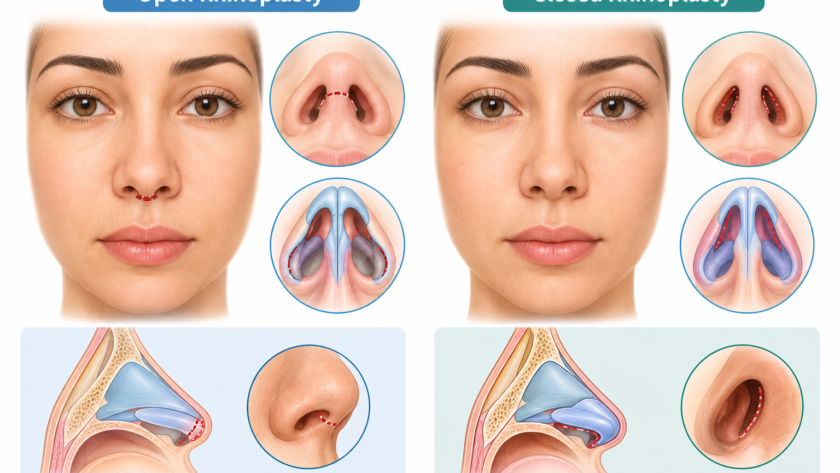
Open and closed rhinoplasty are two surgical approaches used to reshape the nose. Open rhinoplasty involves a small incision across the columella, the strip of tissue between the nostrils, as well as incisions inside the nose. Closed rhinoplasty uses incisions inside the nostrils, leaving no external columellar incision. Both techniques can reshape nasal structures,…
Introduction
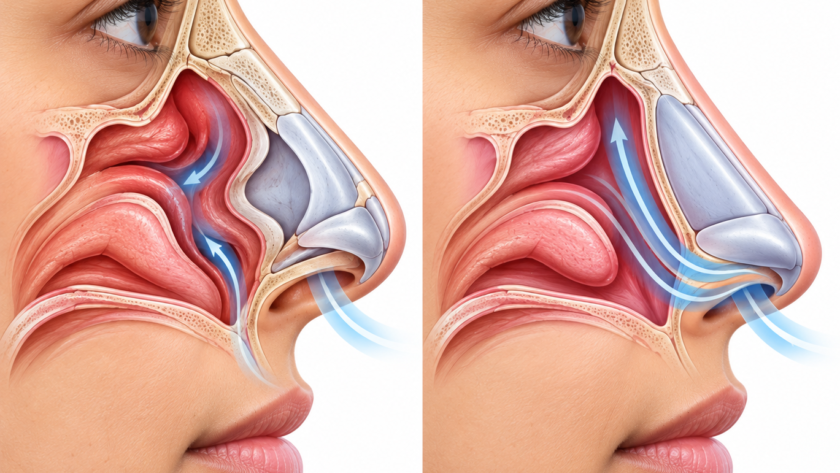
Septorhinoplasty combines surgery to improve nasal breathing with surgery to change the external shape of the nose when both are appropriate. It may address a deviated septum alongside selected structural or cosmetic concerns. The right approach depends on the cause of nasal obstruction, the condition of the nasal framework and the patient's goals. Not…
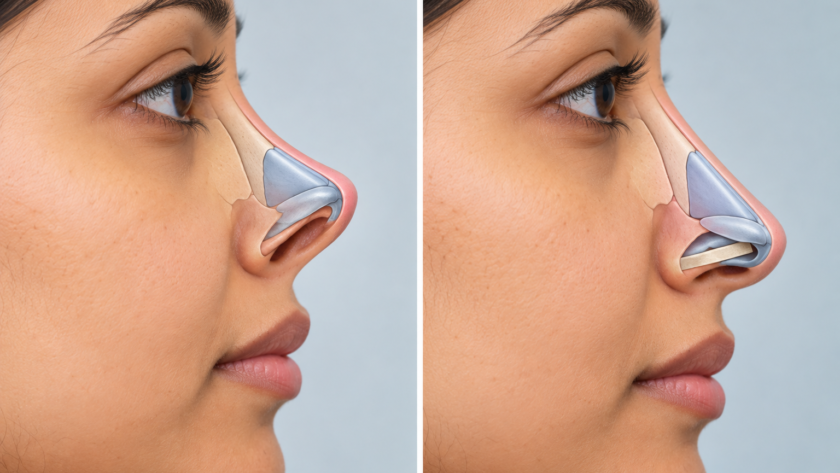
A short or upturned nose can sometimes be lengthened with cartilage grafts that support the nasal tip in a lower and more forward position. Septal cartilage is often considered first when enough suitable cartilage is available; ear cartilage may help with selected, smaller support needs, while rib cartilage can provide a larger and stronger graft…
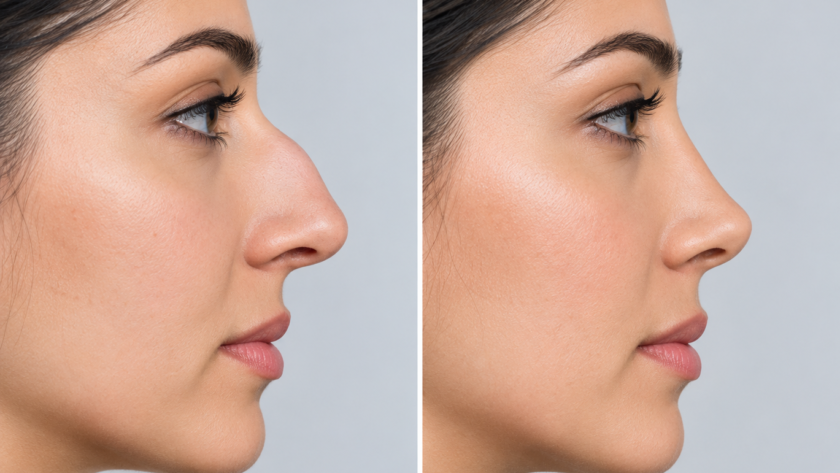
A broad nose, prominent nasal hump, drooping tip or crooked nose may be improved with rhinoplasty, depending on the underlying bone, cartilage and skin structure. The treatment plan differs for each concern: a broad nose may need reshaping, a hump may need reduction, a drooping tip may need support, and a crooked nose may require…
Yes, rhinoplasty can reduce the size of the nose while preserving natural-looking facial proportions. The surgeon may refine the nasal bridge, tip, nostrils or overall width, depending on the anatomy and the patient's goals. A natural result does not mean making the nose as small as possible; it means choosing changes that suit the face…
Can Only The Nose Tip Be Done?
Tip plasty alone works when the bridge is already straight and in proportion and the concern is limited to a bulbous, drooping or wide tip. If the tip is refined while a hump or wide bridge is left, the nose can look unbalanced, with a 'polly beak' or…
Introduction
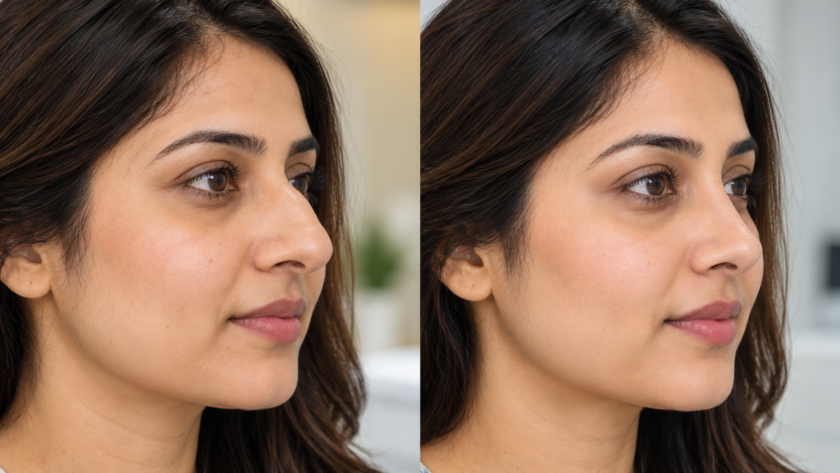
Rhinoplasty can change the shape, size, and proportions of the nose by modifying its bone, cartilage, and sometimes soft tissue. Depending on the individual's anatomy and goals, nose reshaping surgery may address a hump on the bridge, a drooping or wide tip, asymmetry, or nostril shape. The results depend on nasal structure, skin thickness,…
A good rhinoplasty candidate is someone whose nasal concerns can be addressed safely through surgery, who is medically fit and who understands the realistic limits of the procedure. Age, nasal development, breathing function, skin and cartilage structure, general health and personal expectations all matter. A consultation with a qualified surgeon helps determine whether surgery is…
Introduction
Preservation rhinoplasty lowers a nasal hump by pushing the intact bridge down rather than shaving it off, keeping the natural dorsal lines. It suits straight, moderate humps. Structural hump removal, where bone and cartilage are removed and rebuilt, suits large, crooked or asymmetric bridges and most revisions. Hump recurrence is a known trade-off with…
Introduction
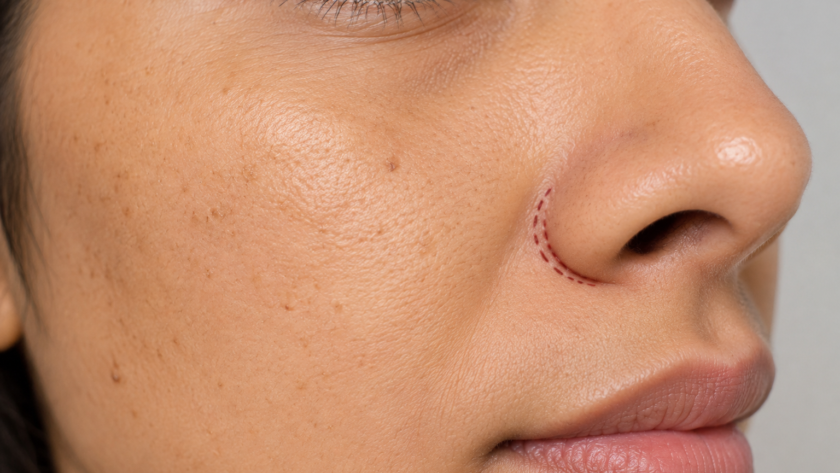
The alar base reduction scar sits in the natural crease where the nostril meets the cheek, sometimes extending just inside the nostril. It may remain pink for 6 to 12 weeks and, on Indian skin, can darken before fading over 6 to 12 months. A history of keloids, an already narrow nostril base, or…
After rhinoplasty, glasses should not be allowed to press directly on a healing nasal bridge until your surgeon confirms that it is safe. This is especially important when nasal bones have been cut and repositioned with osteotomies. During the protected healing period, patients who need vision correction can use alternatives such as forehead taping, a…
Indian Rhinoplasty: What Is the Goal?
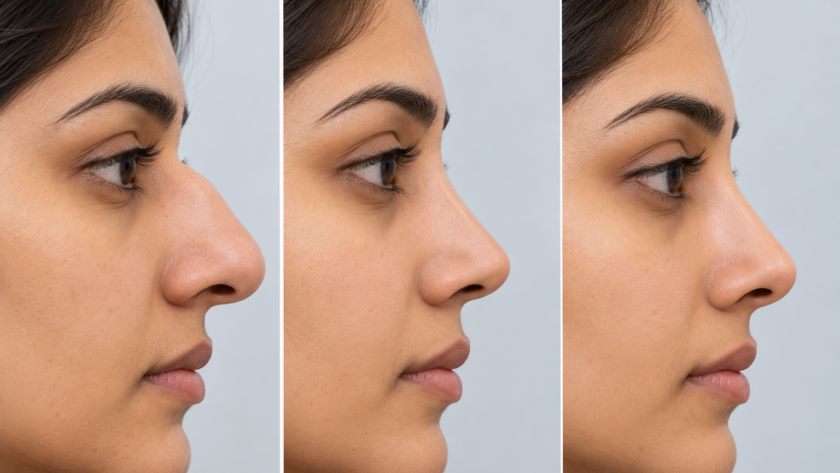
Indian rhinoplasty, often called ethnic rhinoplasty, aims to refine the nose while keeping it balanced with the patient's existing facial features. Indian noses vary considerably, but some patients may have thicker skin, softer cartilage, a lower bridge, a wider nasal base or less tip definition.
The goal is not…