Breathing comfortably and feeling confident about the appearance of your nose are both important aspects of everyday life. Some people experience difficulty breathing because of a deviated nasal septum, while others are concerned about the shape, size or overall appearance of their nose. When both concerns are present, septorhinoplasty may be considered as a treatment option.
Septorhinoplasty is a surgical procedure that combines functional correction of the nasal septum with changes to the external structure of the nose. It aims to improve nasal airflow while addressing selected concerns related to nasal appearance.
However, the procedure is not the same for everyone. The surgical plan depends on the internal nasal structure, breathing concerns, facial proportions and individual expectations.
Before deciding on surgery, it is useful to understand how the procedure works, what recovery involves, how much it may cost and what to expect during follow up appointments.
This guide explains the important details to help you make an informed decision.
What Is Septorhinoplasty and Who Is It For?
Septorhinoplasty combines two surgical approaches: septoplasty and rhinoplasty.
Septoplasty focuses on correcting a deviated nasal septum. The septum is the structure made of cartilage and bone that separates the two nasal passages. When it is significantly bent or displaced, it may restrict airflow and cause breathing difficulties.
Rhinoplasty focuses on changing the external shape or structure of the nose. Depending on the treatment plan, this may involve adjustments to the nasal bridge, tip or other structural features.
When both functional and appearance related concerns need attention, the two procedures may be performed together.
Septorhinoplasty may be considered by people experiencing:
- Difficulty breathing through one or both nostrils.
- A deviated nasal septum.
- Nasal blockage associated with structural problems.
- A crooked or asymmetrical nose.
- Changes in nasal appearance following an injury.
- Both breathing concerns and specific appearance related concerns.
Not everyone with nasal blockage needs septorhinoplasty. Other conditions, including allergies and inflammation, can also affect breathing. A proper nasal examination is important before choosing surgery.
How Is the Septorhinoplasty Procedure Performed?
Septorhinoplasty involves careful planning because the internal nasal structure and external appearance need to be considered together.
1. Initial Consultation and Nasal Examination
The process begins with a discussion about breathing difficulties, nasal appearance and previous medical history.
The internal nasal passages and external shape of the nose are examined. This helps identify structural concerns and understand which changes may be appropriate.
Previous nasal injuries, surgeries, allergies and existing medical conditions should also be discussed.
2. Preparing the Surgical Plan
Once the examination is complete, a surgical plan is prepared according to individual requirements.
The plan may include correcting the deviated septum, improving airflow and adjusting selected external nasal structures.
The expected changes and limitations should be discussed before surgery so that expectations remain realistic.
3. Anaesthesia
Septorhinoplasty is generally performed under general anaesthesia.
The type of anaesthesia and preparation requirements are explained before the procedure. Medical assessment is also important to ensure that surgery can be planned safely.
4. Correcting the Nasal Septum
During the procedure, the internal nasal structures are accessed and the deviated portions of cartilage or bone are corrected as required.
The aim is to improve the alignment of the septum and create better airflow through the nasal passages.
5. Reshaping the Nose
If external changes are part of the treatment plan, selected nasal structures may be adjusted.
This may involve the nasal bridge, tip or supporting structures, depending on the individual’s concerns.
The goal is to achieve a balanced appearance while maintaining or improving nasal function.
6. Completion and Initial Recovery
After the surgical corrections are completed, the tissues are supported and the incisions are managed.
Depending on the surgical technique, internal splints, dressings or an external nasal support may be used.
The patient is monitored during the initial recovery period before discharge or further observation, depending on the surgical plan.
Quick Facts About Septorhinoplasty
| Treatment detail | General information |
|---|---|
| Procedure | Combined septoplasty and rhinoplasty |
| Duration | Depends on surgical complexity |
| Anaesthesia | Usually general anaesthesia |
| Stay | Depends on recovery and surgical plan |
| Back to work | Often requires time away during early recovery |
| Follow ups | Required to monitor healing and nasal function |
The exact surgical duration, stay and return to work timeline depend on the procedure performed and individual recovery.
What Is the Recovery Process After Septorhinoplasty?
Recovery takes place gradually. Swelling, congestion and temporary discomfort are common during the initial healing period.
First Few Days
The nose may feel blocked due to swelling, internal dressings or splints. Mild discomfort, bruising and swelling around the nose and eyes may also occur.
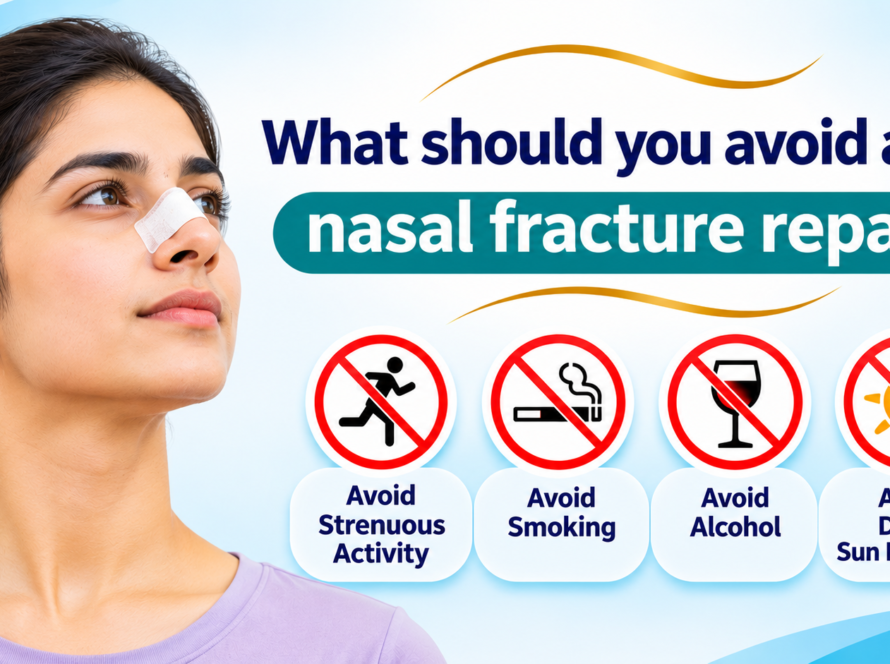
Rest is important during this period. Avoid blowing your nose, bending excessively or putting pressure on the surgical area.
First Week
Swelling and bruising may remain noticeable. Some patients may have an external nasal splint or internal support that needs to be checked or removed at the scheduled appointment.
Keep the nose protected and follow the recommended cleaning instructions.
Second Week
Bruising and initial swelling often begin to improve.
Many people gradually return to lighter daily activities, depending on their healing progress.
Avoid strenuous exercise, heavy lifting and activities that could result in accidental contact with the nose.
First One to Three Months
The nose continues to heal and swelling gradually reduces.
Breathing may improve as internal swelling settles, although the recovery of nasal airflow can vary.
The external shape may also continue to change during this period.
Six to Twelve Months
More noticeable changes in nasal shape may become clearer as deeper tissues continue to heal.
Final results can take a year or longer, particularly when the surgery involves extensive structural changes.
Which Factors Affect the Cost of Septorhinoplasty?
The cost of septorhinoplasty varies depending on the surgical requirements and individual treatment plan.
1. Complexity of the Procedure
A procedure involving both internal septal correction and external reshaping may require a more detailed surgical plan.
2. Extent of Nasal Correction
The amount of correction needed for breathing and appearance can influence the overall cost.
3. Anaesthesia and Surgical Facilities
Anaesthesia, operating facilities, surgical equipment and related medical services contribute to the total expense.
4. Preoperative Investigations
Medical examinations, nasal assessments and any required investigations may be included in the overall treatment estimate.
5. Postoperative Care
Follow up appointments, prescribed medication, dressings and recovery related services may also affect the final cost.
Before confirming surgery, request a clear estimate explaining what is included and whether additional appointments or services are charged separately.
Septorhinoplasty in Ghod Dod Road, Surat: How to Plan Your Visit
Planning your appointment in advance can make the surgical journey easier to manage.
If you are considering septorhinoplasty in ghod dod road surat, begin by arranging a consultation to discuss your breathing concerns and nasal appearance.
Start with a consultation
Explain whether your main concern is difficulty breathing, the appearance of your nose or both. This helps establish the areas that need assessment.
Complete the required examinations
A nasal examination and medical assessment help determine whether surgery is appropriate. Any required investigations should be completed before confirming the procedure.
Understand the surgical plan
Ask which corrections are planned, what changes may be expected and what limitations should be considered.
Arrange time for recovery
Keep sufficient time available after surgery. Avoid scheduling demanding activities immediately after the procedure.
Plan your follow up appointments
Regular follow up visits help monitor healing, check internal nasal structures and assess breathing progress.
For further information about the combined functional and appearance related approach, you can explore our guide to septorhinoplasty for breathing and nasal shape correction.
What Should You Ask Before Choosing Septorhinoplasty?
Before making a decision, consider discussing these questions:
- Is my breathing difficulty caused by a deviated septum?
- Do I need both septoplasty and rhinoplasty?
- What changes are possible in my nasal appearance?
- What are the potential risks and complications?
- How long should I plan for recovery?
- Will I need internal splints or an external support?
- When can I return to work and exercise?
- How many follow up appointments will be required?
- What is included in the total treatment cost?
Understanding these details helps you set realistic expectations and prepare for recovery.
Frequently Asked Questions
The surgical duration depends on the complexity of the procedure and the corrections required. Your individual treatment plan will determine the expected time.
The number of follow up visits depends on healing progress and the surgical plan. Initial appointments help monitor swelling, splints and internal nasal recovery. Additional reviews may be recommended.
An initial online consultation may be possible if the clinic offers this facility. However, a physical nasal examination is important before confirming surgical suitability.
An initial online consultation may be possible if the clinic offers this facility. However, a physical nasal examination is important before confirming surgical suitability.
Travel should be planned according to your recovery and the follow up schedule. Avoid making travel arrangements without confirming that it is appropriate after surgery.
Initial changes may become visible as swelling reduces over the first few months. However, the nose can continue healing for twelve months or longer before the final appearance becomes clearer.
You can begin by arranging a consultation to discuss breathing difficulties, nasal structure and appearance related concerns. An individual examination helps determine the appropriate treatment approach.
Final Thoughts
Septorhinoplasty can address selected concerns involving both nasal breathing and external appearance. By combining septal correction with nasal reshaping, the procedure aims to improve function while creating a balanced nasal structure.
However, the right approach depends on individual anatomy, breathing problems, medical history and personal expectations.
Before choosing surgery, understand the procedure, possible risks, recovery requirements and overall cost. Planning follow up appointments and allowing enough time for healing are equally important.
Taking an informed approach can help you understand whether septorhinoplasty is suitable for your needs.