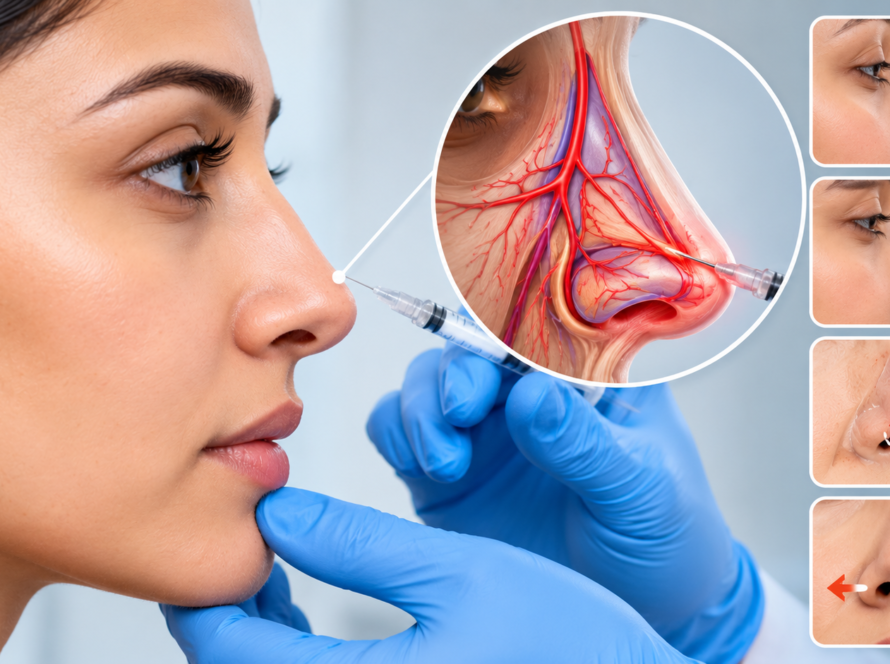
Not everyone is happy with the appearance of their nose, and for some people, the concern goes beyond appearance. Difficulty breathing, a blocked nostril, a crooked nasal structure or a previous nose injury can affect everyday comfort.
Septorhinoplasty is a surgical procedure that combines correction of the nasal septum with changes to the external structure of the nose. It may be considered by people who have both functional and appearance related concerns.
However, surgery is not suitable for everyone. General health, nasal anatomy, breathing problems and personal expectations all play an important role in determining whether someone may benefit from the procedure.
If you are considering this treatment, understanding the eligibility requirements can help you prepare for a consultation and make a more informed decision.
Who Usually Benefits Most From Septorhinoplasty?
Septorhinoplasty may be suitable for people who have a clear nasal concern that can be addressed through surgery.
Some common reasons for considering the procedure include:
1. Deviated Nasal Septum
The nasal septum separates the two nasal passages. When it is significantly bent or displaced, it may restrict airflow and cause difficulty breathing.
2. Difficulty Breathing Through the Nose
People who regularly experience nasal blockage due to structural problems may benefit from an assessment to determine whether surgical correction is appropriate.
3. Crooked or Uneven Nose
Some people have an uneven nasal appearance due to natural anatomy, an injury or previous surgery.
4. Combined Functional and Appearance Concerns
People who want to address breathing difficulties along with specific concerns about their nasal shape may be considered for septorhinoplasty.
5. Nasal Changes After an Injury
An injury can affect both the internal structure and external appearance of the nose. Depending on the damage, surgical correction may be an option.
You can learn more about the procedure through our guide to Septorhinoplasty, which explains how functional and structural nasal corrections are approached.
Who Should Wait or Avoid Septorhinoplasty?
Although septorhinoplasty can address several nasal concerns, certain conditions may make surgery unsuitable at a particular time.
People with uncontrolled medical conditions
Uncontrolled diabetes, high blood pressure and certain other health conditions may increase surgical risks. These conditions may need to be managed before surgery is considered.
People with active nasal infections
An active infection or significant inflammation may require treatment before planning an operation.
People with unrealistic expectations
Surgery can improve selected structural concerns, but it cannot guarantee a particular appearance or perfect symmetry.
People who smoke
Smoking can affect circulation and wound healing. It is important to discuss smoking habits and appropriate precautions before surgery.
People who are not physically ready for surgery
General health, medical history and recovery requirements should be considered before proceeding.
Waiting does not necessarily mean that someone can never have the procedure. In some situations, improving health or treating an existing condition may make surgery safer later.
How Do Age, Weight and Health Conditions Matter?
Age is one of the factors considered during surgical planning. Nasal growth and facial development should generally be complete before elective cosmetic nasal surgery is considered.
There is no single age that automatically makes everyone suitable for septorhinoplasty.
Weight changes can also be relevant to overall surgical preparation. Significant recent weight loss or nutritional deficiencies may affect general health and recovery.
Medical conditions deserve particular attention.
People with diabetes should discuss blood sugar control before surgery. Those with high blood pressure should ensure that their condition is properly assessed.
Existing medications, allergies, previous operations and bleeding related conditions should also be discussed.
The purpose of this assessment is to identify possible risks and determine whether surgery can be planned safely.
What Tests Are Done Before Septorhinoplasty?
A proper assessment helps identify the cause of nasal problems and determine whether surgery is appropriate.
Depending on individual symptoms, the evaluation may include:
- Examination of the external shape of the nose.
- Assessment of the nasal septum and internal passages.
- Review of breathing difficulties and nasal blockage.
- Discussion of previous injuries or nasal surgeries.
- Review of medical history and current medications.
- Blood investigations when required.
- Additional nasal examinations or imaging if clinically indicated.
Not everyone needs the same investigations. The required tests depend on the symptoms, examination findings and surgical plan.
Septorhinoplasty in Varachha Surat: What Should You Check Before Booking?
If you are considering septorhinoplasty in varachha surat, understanding your treatment requirements before booking a consultation can make the process easier.
Start by identifying your main concern. Is it difficulty breathing, the appearance of your nose or both?
Prepare information about any previous nasal injuries, breathing problems, allergies and medical conditions.
During the consultation, discuss the possible surgical changes, recovery expectations, risks and overall cost.
You should also understand whether the planned surgery focuses mainly on septal correction, external reshaping or both.
If your concern involves both breathing and appearance, our guide to Septorhinoplasty for Breathing and Shape Together provides further information about these combined treatment goals.
Self Check: Are You a Good Candidate for Septorhinoplasty?
The following checklist can help you identify questions to discuss during your consultation.
| Self check question | Yes or No | Discuss with the doctor |
|---|---|---|
| Do I have difficulty breathing through my nose? | Yes / No | Identify the possible cause |
| Is my nasal septum deviated? | Yes / No | Understand whether correction is needed |
| Am I concerned about the external shape of my nose? | Yes / No | Discuss realistic changes |
| Have I experienced a previous nasal injury? | Yes / No | Review structural changes |
| Is my general health stable? | Yes / No | Review medical fitness |
| Is my blood pressure controlled? | Yes / No | Discuss surgical preparation |
| Do I have realistic expectations? | Yes / No | Understand possible outcomes |
| Can I arrange enough recovery time? | Yes / No | Plan work and daily activities |
This checklist is for preparation only. Answering yes to these questions does not automatically mean that you are suitable for surgery.
What Are Realistic Expectations After Septorhinoplasty?
Having realistic expectations is an important part of deciding whether to undergo nasal surgery.
The procedure may improve selected structural breathing problems and change aspects of nasal appearance. However, the final result depends on individual anatomy, tissue healing and the extent of correction.
It is important to understand that perfect symmetry cannot always be achieved. Breathing improvement also depends on the underlying cause of the obstruction.
Swelling is expected after surgery, and the appearance of the nose changes gradually during recovery.
If you are comparing different nasal surgery options, our Rhinoplasty Candidate Guide can help you understand the factors considered when evaluating suitability for nasal reshaping.
Frequently Asked Questions
There is no single age that determines suitability for everyone. Nasal and facial development, general health and the reason for surgery are important considerations. Elective cosmetic surgery is generally considered after facial growth is complete.
People with diabetes or high blood pressure may be considered after proper medical evaluation. These conditions should be appropriately controlled before surgery whenever possible.
Weight loss is not automatically required. However, significant recent weight changes, nutritional deficiencies or poor general health should be discussed before surgery.
Smoking can affect blood circulation and wound healing. The appropriate period to stop smoking should be discussed during surgical preparation. Avoid restarting until your recovery instructions allow it.
Weight changes generally do not directly change the underlying nasal structure. However, maintaining stable overall health and following postoperative instructions can support recovery.
Suitability depends on your nasal structure, breathing concerns, medical history and expectations. A detailed examination is necessary to determine whether the procedure is appropriate.
Final Thoughts
Septorhinoplasty may be an option for people who have both functional nasal problems and specific concerns about their nose’s appearance.
However, choosing surgery requires more than simply wanting a change. Nasal anatomy, breathing difficulties, general health, medical history and realistic expectations all need to be considered.
Use the self check as a starting point, understand the possible risks and discuss the available treatment options before making a decision.
A well planned approach can help you understand whether septorhinoplasty is suitable for your individual needs.