Introduction
Before booking a rhinoplasty surgeon in Surat, check ten things: verifiable specialist qualifications, relevant clinical photographs where lawfully available, a nose and breathing assessment, a personalised surgical plan, a clear explanation of risks, anaesthesia and facility details, follow-up arrangements, and a written revision policy. A polished website or attractive photograph alone cannot establish a surgeon’s suitability.
Rhinoplasty can change the nose’s shape and proportions, and some procedures also address breathing concerns. The right approach depends on your anatomy, health, goals and the surgeon’s clinical assessment. Take time to compare the information you receive, ask questions and understand what surgery can realistically achieve before making a decision.
Choosing a Rhinoplasty Surgeon in Surat: What Should You Check?
Start by verifying the surgeon’s relevant qualifications and current registration through appropriate official records. Ask who will perform the operation, who will provide anaesthesia and where the procedure will take place. Confirm the facility’s suitability and understand how urgent concerns will be managed.
Next, assess the quality of the consultation. A responsible surgeon should ask what you want to change, discuss your medical history, examine your nose and consider breathing symptoms when relevant. They should explain the limitations of surgery rather than promise a perfect nose or an exact result.
Use the guide on how to choose a rhinoplasty surgeon for broader selection advice. This article focuses on the practical checks you can carry into a consultation, especially when reviewing photographs, written plans and policies.
How Can You Tell If Before-and-After Photos Are Genuine and Comparable?
Photographs may help explain surgical possibilities, but they are only useful when the images are presented honestly and can be compared fairly. Where patient photographs can lawfully be shown, ask whether they represent the surgeon’s own work, whether appropriate consent has been obtained and how long after surgery the later photographs were taken.
Look for consistency in these details:
- Camera angle: The before and after images should show comparable front, profile and three-quarter views where available.
- Lighting: Strong differences in shadows or brightness can make the bridge, tip and nostrils appear different.
- Head position: Tilting the chin or turning the face can change the apparent shape of the nose.
- Expression and styling: Similar facial expressions, hairstyles and presentation make comparisons more meaningful.
- Timing: Ask when the follow-up image was taken. Swelling can persist for months, and final refinement may take a year or longer.
- Image integrity: Filters, retouching, selective cropping and undisclosed digital changes can distort expectations.
A useful comparison should explain the context of the case, not just display a dramatic result. If the surgeon cannot explain the image source, timing or circumstances, treat the photographs as limited evidence.
Important: In India, professional rules may restrict the promotional use of patient before-and-after photographs. Ask the clinic how any images are being used and whether that use complies with current professional guidance. A patient’s consent does not automatically make every form of advertising permissible. If public display is not appropriate, a clinic should not use a promotional gallery as a substitute for proper, compliant patient education.
Why Should You See Noses Similar to Yours?
Noses differ in skin thickness, bridge shape, tip structure, nostril width, asymmetry and internal anatomy. A result achieved in someone with a different starting point may not indicate what is realistic for you.
If clinical photographs can be reviewed appropriately, ask whether the examples are relevant to your anatomy and goals. For instance, someone concerned about a broad tip may need to understand a different set of limitations from someone whose main concern is a prominent bridge or a previous operation.
Ask the surgeon to explain what was changed in the example and what was not changed. Also ask whether the case involved cosmetic reshaping alone or included work intended to improve breathing. These details matter because two photographs can look similar while representing different procedures.
Do not judge a surgeon solely by the number of photographs available. Privacy considerations and professional rules may affect what can be shown. The more important issue is whether the surgeon can explain your options, evidence, risks and likely limitations clearly.
What Should a Thorough Rhinoplasty Consultation Include?
A consultation should be a clinical assessment and a two-way discussion—not simply a sales appointment. Prepare a list of your concerns and bring details of relevant medical conditions, allergies, medications, previous nasal injuries and any earlier nose surgery.
Your surgeon should discuss your goals and examine your nose in the context of your overall facial proportions. If you have persistent blockage, difficulty breathing or a history of nasal injury, raise these concerns directly. A suitable assessment should consider function as well as appearance when relevant.
The consultation should cover:
- Your main concerns and what you hope to change.
- Examination of the external nose and relevant internal structures.
- Breathing symptoms and whether further assessment is needed.
- Your medical history, medicines, allergies and previous procedures.
- Whether surgery is suitable and what alternatives may exist.
- Expected recovery, temporary swelling and possible complications.
- The limits of surgery and the possibility that the outcome may differ from expectations.
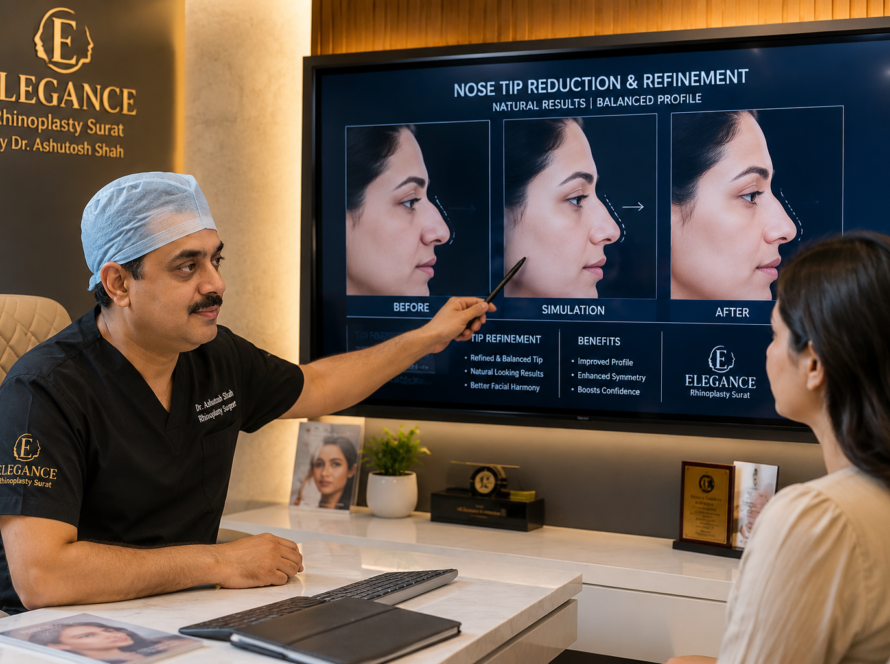
Computer imaging may help communicate goals, but it is not a guarantee. A simulated image cannot predict exactly how your tissues will heal or prove that the same result can be achieved surgically.
For more detail, review the clinic’s information about rhinoplasty risks and complications. Use the consultation to clarify any risk you do not understand rather than relying on a general online list.
What Should the Written Surgical Plan and Quote Include?
Before agreeing to surgery, ask for a written plan that describes the proposed procedure in language you understand. It should reflect your examination and goals rather than simply promise that your nose will look like a particular photograph.
The discussion should identify the intended changes, whether breathing-related treatment is being considered, the proposed surgical setting, anaesthesia arrangements and the expected recovery process. Ask who will be responsible for your care before and after surgery and how you can contact the team if a concern develops.
Request an itemised quote. It should make clear what is included, such as the surgeon’s fee, anaesthesia, facility charges, tests, prescribed medicines and scheduled follow-up visits. Ask which costs may be additional if your treatment plan changes or an unexpected issue occurs.
Do not assume that the lowest quote offers the best value, or that a higher quote guarantees a better result. Compare the clinical plan, qualifications, facility arrangements, communication and aftercare—not just the total price.
What Is a Fair Rhinoplasty Revision Policy?
A revision policy explains what happens if a further procedure is considered after the initial operation. It should not be interpreted as a promise that a revision will be necessary, free or guaranteed to produce a particular outcome.
Ask for the policy in writing before surgery. Clarify how the surgeon assesses healing, how long you may need to wait before an outcome can be evaluated, and which circumstances might lead to discussion of another operation. Also ask whether surgeon, anaesthesia, facility and other fees would apply.
The policy should distinguish between a clinical complication, a functional concern, a change in personal preference and a result that has not met the agreed plan. These situations may be managed differently. Revision surgery can involve additional complexity, and suitability must be assessed individually.
A responsible surgeon should be willing to explain the policy calmly, including its limits. Be cautious if a clinic promises a guaranteed result or refuses to provide written terms.
Red Flags to Watch for Before Booking
Pause and seek clarification if you encounter any of these warning signs:
- Unverifiable qualifications: The clinic will not provide details that allow you to check the surgeon’s credentials and registration.
- Guaranteed results: You are promised perfection, symmetry or an exact match to a computer image.
- Pressure to pay immediately: You are pushed to book before your questions are answered or before you have time to consider the risks.
- No meaningful examination: The recommendation is made without a suitable assessment of your nose, goals and relevant health history.
- Dismissed breathing concerns: Symptoms affecting breathing are ignored when you raise them.
- Unclear surgical arrangements: You cannot establish who will operate, who will provide anaesthesia or where the procedure will occur.
- Vague pricing: Important charges and possible additional costs are not explained.
- No follow-up plan: The clinic cannot explain how postoperative reviews or urgent concerns will be handled.
- Unclear revision terms: Staff make verbal promises but will not provide the policy in writing.
- Misleading image presentation: Photographs lack context, appear heavily altered or are presented in a way that creates unrealistic expectations.
One unanswered question does not automatically establish poor care. Ask for clarification, take time to review the information and consider another consultation if important concerns remain unresolved.
Printable 10-Point Rhinoplasty Consultation Checklist
Use this table during your appointment. Mark each item only after you have received an understandable answer or verified the relevant information.
| Item | What good looks like | Red flag |
|---|---|---|
| 1. Qualifications and registration | Relevant credentials and current registration can be checked | Details cannot be verified |
| 2. Surgeon performing the operation | The responsible surgeon is clearly identified | Uncertainty about who will operate |
| 3. Personal examination | Your nose, goals and relevant health history are assessed | A generic recommendation without proper assessment |
| 4. Breathing assessment | Symptoms are discussed and evaluated when relevant | Breathing concerns are dismissed |
| 5. Photo evidence | Any lawfully shared examples have clear context and comparable views | Unclear source, timing or misleading presentation |
| 6. Realistic expectations | Benefits, limitations and uncertainty are explained | Guaranteed or perfect results promised |
| 7. Written surgical plan | Intended changes and procedure details are documented | Only verbal promises are offered |
| 8. Anaesthesia and facility | The setting, anaesthesia arrangements and safety plan are explained | Important arrangements remain unclear |
| 9. Costs and aftercare | Itemised fees, follow-up and contact arrangements are explained | Hidden costs or no clear follow-up |
| 10. Revision policy | Written terms and limitations are explained before booking | Guaranteed revision or refusal to clarify terms |
If several important items remain unclear, delay the decision until you have satisfactory answers. You can also book a consultation to discuss your concerns and determine whether an in-person assessment is appropriate.
Questions to Ask a Rhinoplasty Surgeon
Bring these questions with you:
- What changes are realistic for my nose and facial proportions?
- How will you assess my breathing and nasal structure?
- What are the main risks in my individual case?
- Who will perform the operation and provide anaesthesia?
- Where will the surgery take place?
- What is included in the written quote?
- What follow-up visits should I expect?
- When can swelling and healing be assessed meaningfully?
- What is your written rhinoplasty revision policy?
- If I decide not to have surgery now, what are my alternatives?
You may also want to review the professional profile of Dr. Ashutosh Shah, rhinoplasty surgeon. Verify the relevant qualifications and current registration through appropriate official sources, and use the consultation to discuss your individual needs.
Frequently Asked Questions
How many consultations should I have before rhinoplasty?
There is no fixed number that suits everyone. You should have enough time to understand the proposed procedure, risks, expected recovery, costs and aftercare. If important questions remain unanswered or you feel pressured, consider another appointment or an independent opinion before making a decision.
Can I ask to see photos of noses like mine?
You can ask whether relevant clinical examples can be discussed or reviewed in a way that complies with applicable privacy and professional rules. Ask about the starting anatomy, procedure and follow-up timing. Photographs are only one source of information and cannot guarantee that your result will be the same.
Should the surgeon check my breathing too?
If you have nasal blockage, difficulty breathing, a history of injury or other functional concerns, tell the surgeon and ask how these will be assessed. Rhinoplasty planning may involve appearance, function or both. The appropriate examination and treatment depend on your symptoms and clinical findings.
Is computer imaging a promise of the result?
No. Computer imaging can help you and the surgeon discuss preferences, proportions and possible directions for change. It cannot accurately predict every aspect of healing or guarantee an exact postoperative appearance. Ask which proposed changes are realistic and which limitations may affect your result.
What is a fair revision policy?
A fair policy is clearly explained in writing and describes how concerns are assessed, when revision may be considered, and which fees or conditions may apply. It should not promise a perfect outcome or suggest that every concern requires another operation. Ask the surgeon to explain any terms you do not understand.
Should I choose the surgeon with the lowest quote?
Price should not be the only deciding factor. Compare verifiable qualifications, the quality of the assessment, the proposed plan, facility and anaesthesia arrangements, follow-up care and written terms. A lower quote may exclude important services, so request an itemised breakdown and make sure you understand what is covered.
Conclusion
Choosing a rhinoplasty surgeon requires more than looking at attractive photographs or comparing prices. Check credentials, ask for a careful examination, understand the proposed changes and risks, and review the written plan, costs, follow-up and revision terms. Treat photographs as limited evidence not a guarantee and take time to make an informed decision.
About Dr. Ashutosh Shah and Elegance Clinic
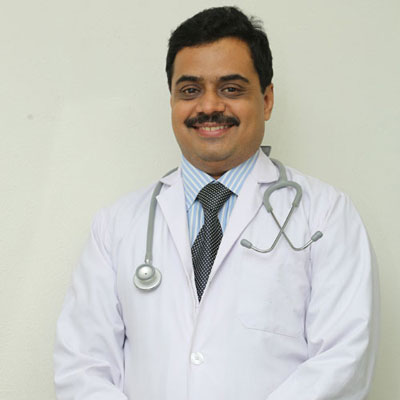
Dr. Ashutosh Shah is a board certified Plastic, Reconstructive and Cosmetic Surgeon with more than 22 years of experience. He is the founder and director of Elegance Clinic, known formally as Elegance Cosmetic Laser Clinic and Hair Transplant Centre. Today, he leads consultations and surgical planning across the clinic’s centres in Adajan and Vesu, Surat.