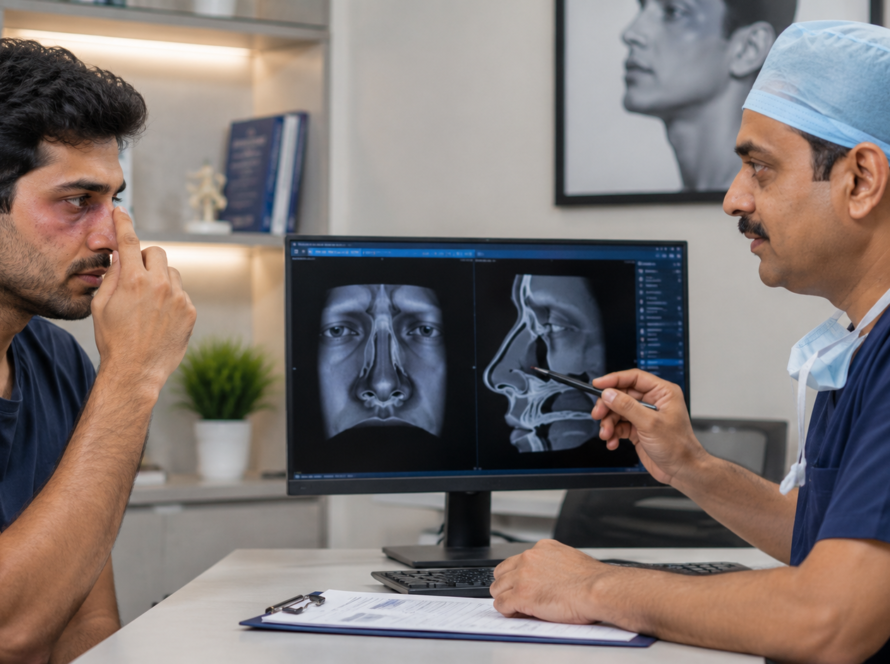
Knowing how to prepare for rhinoplasty can make the days before surgery more organized and less stressful. Preparation usually includes a pre-operative medical review, any tests requested by the surgical and anaesthesia teams, reviewing medicines and supplements, stopping tobacco as advised, and arranging practical help for the first few days after surgery.
Your exact instructions should always come from your surgeon and anaesthesia team because medication, testing, smoking cessation and fasting requirements can differ according to your health and planned procedure. The American Society of Plastic Surgeons notes that patients may be asked to have laboratory testing, adjust medicines, stop smoking and avoid medicines or supplements that can increase bleeding.
This two-week plan gives you a practical checklist to discuss with your surgical team.
Two weeks before nose surgery: Start the preparation
About two weeks before the planned date, confirm your surgery schedule and make sure you understand the instructions provided by your surgeon.
1. Complete the requested medical review
Your surgeon or anaesthesia team may request routine blood tests or other investigations based on your medical history and the planned surgery. There is no single test list that applies to every rhinoplasty patient.
A pre-anaesthetic review may include your medical history, allergies, previous operations, current medicines and supplements, tobacco use and any relevant medical conditions.
2. Review every medicine and supplement
Make a complete list of prescription medicines, over-the-counter medicines, vitamins and supplements you take.
Do not stop a prescribed medicine on your own.
Your surgeon may advise you to stop or adjust certain medicines and supplements before surgery. Aspirin, some anti-inflammatory medicines and some herbal supplements can increase bleeding risk, so the surgical team should tell you exactly what to stop and when.
This is one of the most important parts of medicines to stop before rhinoplasty planning.
3. Start tobacco cessation
Smoking and other tobacco use should be discussed openly with your surgeon.
Smoking can affect recovery and healing, and plastic surgery guidance recommends stopping smoking well before surgery. The exact timing varies according to the operation and individual circumstances.
If you smoke, do not wait until the day before surgery to mention it.
4. Start arranging help at home
Plan who will help you during the first few days after surgery.
Depending on your individual recovery plan, you may need help with meals, household tasks, children, pets, transport or other routine activities.
For outpatient rhinoplasty, ASPS recommends arranging for someone to drive you home and stay with you for at least the first night.
One week before nose surgery: Confirm the details
The second week is about checking that the medical and practical arrangements are complete.
Confirm your medicine instructions
Review the list provided by your surgical team.
If you are taking blood-thinning medicines, do not decide independently when to stop them. The timing depends on the specific medicine, why you take it and your individual medical situation.
What if I need painkillers for a headache?
Ask your surgical team which painkillers are acceptable before surgery.
Some commonly used pain medicines can affect bleeding, while others may be appropriate in particular circumstances. The safest approach is to check before taking anything that is not already approved by your surgeon or anaesthesia team.
What about protein supplements?
Tell your surgeon about protein supplements and all other nutritional products you use.
Do not assume that a product is safe simply because it is sold as a supplement. Your surgical team can tell you whether you should continue it, change it or stop it before the procedure.
This is especially important when you are reviewing medicines to stop before rhinoplasty because supplements should be included in the discussion.
Smoking before nose surgery: Why tobacco matters
Smoking before nose surgery is important because tobacco exposure can affect the body’s recovery from surgery.
The exact smoking cessation period should come from your surgeon. Some plastic surgery guidance recommends stopping well in advance, with the optimal timing varying according to the procedure and patient.
If you use cigarettes, tobacco products or other nicotine products, tell your surgical team exactly what you use and how often.
Do not assume that switching products automatically removes the concern. Ask the surgical team what they want you to do before surgery.
What if I develop a cold or sinus infection?
Tell your surgeon if you develop a cold, fever, persistent cough, sore throat or symptoms of a sinus infection close to the operation.
Whether surgery needs to be postponed depends on the illness, its severity, the timing and the anaesthesia and surgical assessment. Do not hide symptoms because the surgery date is approaching.
A general surgical guide from Cleveland Clinic advises patients to contact their surgical team if they become ill shortly before surgery.
What to arrange before nose surgery at home
Good preparation is not only about medical tests and medicines. Your home should also be ready for the first few days of recovery.
Prepare your sleeping and resting area
Set up a comfortable place where you can rest without needing to move around unnecessarily.
Keep commonly used items within easy reach.
Arrange meals
Prepare simple meals in advance if that will make the first few days easier.
You may also arrange help with cooking, shopping or food delivery.
Arrange transport
Plan how you will travel to the surgical facility and how you will return home.
If your procedure is performed as an outpatient procedure, arrange an appropriate adult to drive you home and stay with you as instructed.
Arrange help at work
Plan your time away from work according to the recovery instructions given by your surgeon.
Do not base your return-to-work plan only on another patient’s recovery because recovery can vary.
What should you bring on the day of surgery?
The night before, prepare the items you have been instructed to bring.
Your exact list may include:
- Identification and required documents
- Your current medicine list
- Relevant medical records or test reports
- Any documents supplied by your surgical team
- Comfortable clothing
- Necessary personal items
- Contact information for your accompanying person
Cleveland Clinic’s cosmetic surgery preparation guidance also recommends preparing a bag, leaving valuables at home and following the facility’s specific instructions.
Follow your own clinic’s instructions if they differ from a general checklist.
What should you bring to the final pre-operative visit?
The final pre-operative visit is an opportunity to confirm that you understand the procedure and the instructions for the day of surgery.
Bring your questions and your updated medicine and supplement list.
The discussion may include:
- The planned procedure
- Your medical history
- Current medicines and supplements
- Anaesthesia arrangements
- Expected recovery
- Potential complications
- Medication instructions
- When to stop eating and drinking
- What to bring on the day
- Who to contact after surgery
A rhinoplasty consultation should also provide an opportunity to discuss your goals, breathing concerns, treatment options, expected outcomes and potential risks.
What is discussed and consented at the final pre-operative visit?
Before surgery, you should have an opportunity to understand what is planned and ask questions about the procedure.
The consent discussion should cover the relevant procedure, expected outcomes, risks and alternatives as applicable to your individual treatment.
If something is unclear, ask for an explanation before signing consent.
You can also review information about what rhinoplasty involves through What rhinoplasty involves.
Two-week rhinoplasty preparation checklist
Use this as your practical countdown.
| Time | What to do |
|---|---|
| 14 days before | Confirm the surgery date and instructions from your surgical team. |
| 14 to 10 days before | Complete requested blood tests and the pre-anaesthetic review. |
| 14 to 7 days before | Review all prescription medicines, painkillers, vitamins and supplements with your medical team. |
| 14 to 7 days before | Stop or adjust medicines only when specifically instructed by your surgeon or prescribing doctor. |
| 14 days onward | Stop tobacco according to your surgeon’s instructions and avoid restarting before surgery. |
| 10 to 7 days before | Arrange transport to and from the surgical facility. |
| 7 days before | Arrange someone to help you at home and stay with you as instructed. |
| 7 to 3 days before | Prepare meals, resting space and essential household arrangements. |
| Final days | Confirm fasting, medicine, arrival time and day-of-surgery instructions. |
| Day before | Prepare your documents, medicine list, comfortable clothing and other required items. |
| Surgery day | Follow the exact fasting, medication and arrival instructions provided by your surgical team. |
How to prepare for rhinoplasty if your plans change
Preparation also means knowing when to contact your surgeon.
Tell the surgical team if:
- You develop a cold or infection.
- You start a new medicine.
- You take a medicine that was not discussed previously.
- You begin taking a new supplement.
- You continue smoking or tobacco use.
- Your health changes before surgery.
- You have questions about fasting or medication instructions.
Do not make last-minute medication changes without medical advice.
Common questions before nose surgery
How long before surgery should I stop blood thinners?
There is no single safe number of days for everyone. The timing depends on the medicine and why you take it. Ask your surgeon and the doctor who prescribed it before stopping it.
Can I take painkillers for a headache the week before?
Ask your surgical team first. Some pain medicines can affect bleeding, so do not assume that an over-the-counter medicine is automatically suitable before surgery.
Does an active cold or sinus infection postpone surgery?
It can affect the surgical plan, but the decision depends on your symptoms and medical assessment. Tell your surgeon as soon as possible.
Do I need someone to stay with me the first night?
For outpatient rhinoplasty, you should arrange for someone to drive you home and stay with you for at least the first night as instructed by your surgical team.
Can surgery be done during menstruation?
Ask your surgeon about your individual circumstances. Menstruation by itself does not provide a universal answer for whether surgery should proceed, and your medical team can advise you based on the planned procedure and your health.
Should I stop protein supplements before surgery?
Tell your surgeon about all supplements you take. Do not stop or continue a supplement based only on general advice. Your surgical team should give you the specific instruction.
Learn more before your rhinoplasty consultation
For additional information, you can review:
- What rhinoplasty involves
- Pain after nose surgery
- How to choose a rhinoplasty surgeon
- Book a consultation
Final checklist before rhinoplasty
Before your surgery date, make sure you have discussed your tests, medicines, supplements and tobacco use with your surgical team. Complete the requested pre-anaesthetic review, arrange transport and home help, prepare your essential items and confirm the final instructions.
The goal of how to prepare for rhinoplasty is not simply to count down to the operation. It is to make sure your medical, medication, tobacco, home and practical arrangements are ready before the day arrives.
FAQs
Do not stop blood thinners on your own. Ask your surgeon and the doctor who prescribed them when they should be stopped.
Ask your surgical team first, because some painkillers can increase bleeding risk.
It may. Tell your surgeon about any cold, fever, cough or sinus infection before surgery.
For outpatient rhinoplasty, arrange for someone to take you home and stay with you as instructed by your surgical team.
Ask your surgeon about your individual situation. Your medical team can advise whether the procedure should proceed as planned.
Tell your surgeon about all supplements you take. Only stop or continue them according to your surgical team’s advice.