Written by Dr. Ashutosh Shah, M.Ch., DNB (Plastic Surgery)
Director, Elegance Clinic, Surat
Dr. Ashutosh Shah is a Board-Certified Plastic, Cosmetic and Reconstructive Surgeon with more than 22 years of surgical experience and expertise in cosmetic, reconstructive, and facial plastic surgery.
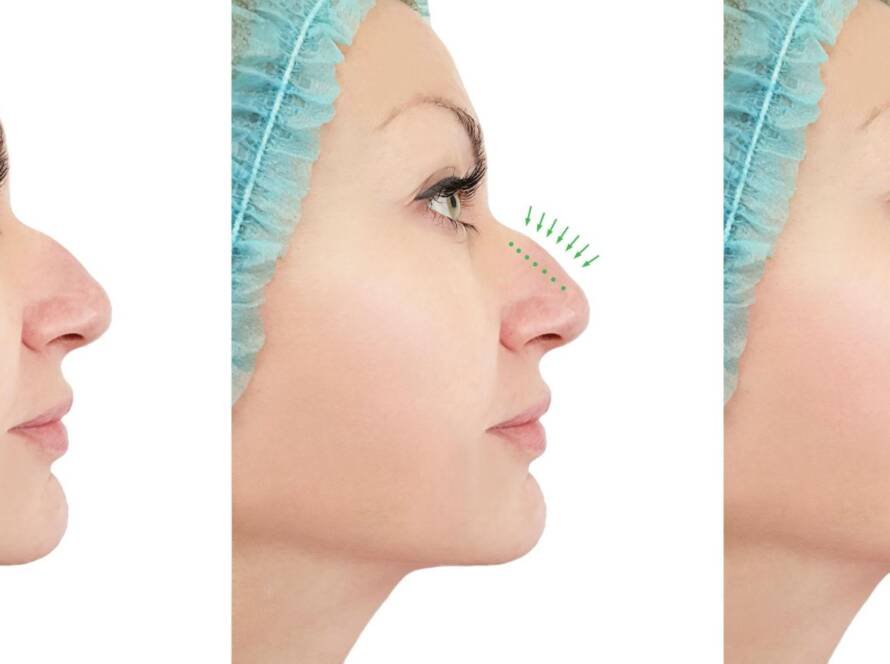
The shape of the nose can be changed depending on what is causing the concern, whether it involves a crooked nose, a wide or narrow nasal bridge, a prominent nasal hump, a drooping or overly broad nasal tip, asymmetry, or changes caused by previous surgery or injury. Rhinoplasty is the main surgical procedure used to reshape the nose, while non-surgical rhinoplasty with dermal fillers may provide temporary improvement for selected minor contour concerns. The appropriate option depends on the nasal structure, skin thickness, breathing function, and the patient’s desired outcome.
A nose-shape correction should focus on creating balanced, natural-looking proportions rather than simply making the nose smaller. During consultation, a plastic surgeon evaluates the bridge, tip, nostrils, septum, facial proportions, and nasal airway. If breathing problems or a deviated septum are present, functional correction may be considered alongside cosmetic reshaping.
Key Takeaways
- Nose shape can often be improved through carefully planned rhinoplasty.
- Different concerns require different techniques.
- Rhinoplasty can address the bridge, tip, nostrils, overall size, and nasal asymmetry.
- Functional concerns such as difficulty breathing may also be evaluated.
- Dermal fillers can temporarily improve selected contour irregularities but cannot replace surgical rhinoplasty.
- The goal should be a balanced and natural-looking nose that suits the rest of the face.
What Is the Most effective Way to Fix the Shape of Your Nose?
The most effective way to correct nose shape depends on the specific structural concern. Rhinoplasty is the most comprehensive option because it allows the surgeon to reshape cartilage and bone, refine the nasal tip, alter the bridge, improve symmetry, and modify other structural features.
Some patients may need only subtle changes, while others require more extensive structural modification. If the nose is crooked because of trauma or a deviated septum, functional and structural correction may be necessary rather than simply changing the external appearance.
The treatment should therefore be individualised rather than based on a standard nose shape.
What Nose Shape Problems Can Rhinoplasty Correct?
Rhinoplasty can be used to address several aesthetic and structural concerns, including:
- A prominent nasal hump
- A wide nasal bridge
- A narrow or flat bridge
- A broad nasal tip
- A drooping nasal tip
- An overly prominent nasal tip
- Uneven or asymmetrical nostrils
- A crooked or deviated nose
- Excessive nasal projection
- Nasal proportions that appear unbalanced with the face
- Certain changes following trauma or previous surgery
The exact technique depends on the patient’s anatomy and the desired correction.
Can a Nasal Hump Be Removed?
A dorsal hump can often be reduced during rhinoplasty. The surgeon carefully modifies the underlying bone and cartilage to create a smoother nasal profile.
However, simply removing a hump is not always enough. The remaining nasal structures may need to be balanced to maintain an appropriate bridge shape and avoid an unnatural appearance.
Can Rhinoplasty Make the Nose Smaller?
Yes, rhinoplasty can reduce certain aspects of nasal size, but the goal is not necessarily to make the entire nose as small as possible.
The surgeon may reduce:
- Nasal bridge prominence
- Tip size or projection
- Excess cartilage
- Certain aspects of nostril width
- Overall nasal projection
Over-reducing the nasal framework can affect both appearance and breathing. Modern rhinoplasty therefore focuses on reshaping and structural balance, not simply removing tissue.
Can Rhinoplasty Correct a Crooked Nose?
A crooked nose can sometimes be corrected with rhinoplasty, particularly when the asymmetry involves the nasal bones, cartilage, septum, or a combination of these structures.
Treatment may involve:
- Evaluating the nasal septum.
- Correcting displaced or asymmetric structures.
- Reshaping nasal bones or cartilage.
- Supporting the nasal framework where necessary.
- Improving the external appearance while maintaining or improving airflow.
Crooked-nose surgery can be more complex than straightforward cosmetic rhinoplasty because both appearance and function may need to be considered.
Can the Tip of the Nose Be Reshaped?
Yes. Nasal tip refinement is an important part of many rhinoplasty procedures.
Depending on the anatomy, the surgeon may modify the shape, position, projection, or definition of the tip. The aim is to create a tip that complements the bridge and the patient’s facial proportions.
Tip surgery may be considered for concerns such as:
- Bulbous tip
- Wide tip
- Drooping tip
- Asymmetrical tip
- Overly projected tip
- Poorly defined tip
The ideal result varies between individuals. A nose that looks appropriate on one person’s face may not suit another person’s facial structure.
Can Nose Fillers Fix Nose Shape?
Non-surgical rhinoplasty, sometimes called a liquid nose job, uses injectable filler to make selected contour changes without surgery.
Fillers may sometimes be used to:
- Smooth a minor contour irregularity
- Create the appearance of a straighter nasal profile
- Improve certain small asymmetries
- Add limited volume to selected areas
However, fillers add volume rather than remove structural tissue. They cannot make a large nose smaller, remove a substantial hump, or correct every type of crooked nose.
Nose filler injections also have important vascular safety considerations because the nose contains blood vessels connected to areas around the eyes. They should only be performed by an appropriately trained medical professional using careful injection techniques.
For significant structural changes, surgical rhinoplasty may be more appropriate.
Rhinoplasty vs Non-Surgical Nose Reshaping
| Feature | Rhinoplasty | Non-Surgical Rhinoplasty |
|---|---|---|
| Method | Surgery | Injectable filler |
| Removes tissue | Yes, when required | No |
| Adds volume | Sometimes | Yes |
| Corrects major structural problems | Yes | Limited |
| Changes nose size | Can reduce size | Cannot truly reduce structure |
| Results | Long-lasting | Temporary |
| Recovery | Longer | Usually shorter |
| Suitable for | Structural and aesthetic correction | Selected minor contour concerns |
The appropriate option depends on the individual’s anatomy, expectations, and treatment goals.
How Is the Right Nose Shape Planned?
A good rhinoplasty plan begins with a detailed assessment rather than choosing a nose shape from a photograph.
The surgeon may evaluate:
- Facial proportions
- Nasal bridge
- Nasal tip
- Nostril shape and width
- Nasal projection
- Nasal symmetry
- Skin thickness
- Septal position
- Breathing function
- Previous injuries or surgery
The patient’s expectations are also important. The objective is generally to create a nose that looks proportionate and natural while preserving or improving nasal function.
Why Is Facial Balance Important?
The nose is located at the centre of the face, so even relatively small changes can influence overall facial appearance.
A successful result should consider the relationship between the nose, chin, forehead, cheeks, lips, and other facial features rather than evaluating the nose in isolation.
What Is Recovery Like After Nose Reshaping?
Recovery varies according to the procedure and the extent of correction.
After rhinoplasty, patients may experience:
- Swelling
- Bruising
- Nasal congestion
- Mild discomfort
- Temporary numbness
- Tenderness
- Changes in nasal sensation
Much of the visible swelling improves during the early recovery period, but subtle swelling can remain for considerably longer, particularly around the nasal tip.
Patients should follow their surgeon’s instructions regarding:
- Sleeping position
- Nasal cleaning
- Physical activity
- Wearing glasses
- Sun exposure
- Returning to work
- Follow-up appointments
The final nasal contour should be judged only after sufficient healing has occurred.
When Should You Consider Nose Surgery?
Rhinoplasty may be considered when you have a persistent concern about nasal shape or structure and want a more significant or long-lasting correction.
You may consider consultation if you have:
- A crooked nose
- A prominent nasal hump
- A wide or uneven nose
- A bulbous or drooping tip
- Nasal asymmetry
- Changes following an injury
- Previous rhinoplasty with an unsatisfactory result
- Cosmetic concerns combined with breathing difficulties
A consultation does not automatically mean surgery is necessary. An experienced surgeon can explain which options are realistic for your anatomy.
How Can You Prepare for a Rhinoplasty Consultation?
Before your consultation, consider what specifically bothers you about your nose rather than simply saying you want a “better nose.”
You can identify whether your main concern is:
- Side profile
- Front view
- Nasal tip
- Bridge
- Nostril width
- Crookedness
- Facial balance
- Breathing
It is also useful to discuss previous nasal injuries, surgeries, medications, allergies, and any existing breathing problems.
Clear communication helps the surgeon understand your goals and explain what can realistically be achieved.
Dr. Ashutosh Shah is a Board-Certified Plastic, Cosmetic and Reconstructive Surgeon with more than 22 years of surgical experience. He completed M.Ch. in Plastic Surgery from The M.S. University of Baroda and DNB in Plastic Surgery, with advanced training in microvascular surgery at Ganga Hospital, Coimbatore, and cosmetic surgery at Apollo Hospital, Chennai.
Elegance Clinic was established in Surat in 2014 and provides cosmetic surgery, plastic surgery, dermatology, hair restoration, laser treatments, and reconstructive procedures.
The shape of the nose can often be improved through personalised cosmetic or functional treatment. Rhinoplasty provides the most comprehensive approach for structural reshaping, allowing changes to the bridge, tip, nostrils, projection, and overall nasal proportions. For selected minor contour concerns, non-surgical rhinoplasty with dermal filler may provide temporary improvement.
Because every nose has different anatomy, the right approach should be determined after a detailed examination. The goal should not simply be a smaller nose, but a balanced, natural-looking nose that complements the face while preserving or improving function.
For concerns about nasal shape, crookedness, asymmetry, or breathing, consultation with a qualified plastic surgeon can help determine which treatment is appropriate.
Frequently Asked Questions
A: Yes, rhinoplasty can reshape the nose and improve facial balance.
A: Yes, rhinoplasty can correct many types of crooked or uneven noses.
A: Yes, selected areas can be reduced and reshaped.
A: Yes, fillers can temporarily improve minor contour irregularities.
A: Rhinoplasty results are generally long-lasting once healing is complete.