Written by Dr. Ashutosh Shah, M.Ch., DNB (Plastic Surgery)
Director, Elegance Clinic, Surat
Dr. Ashutosh Shah is a Board-Certified Plastic, Cosmetic and Reconstructive Surgeon with more than 22 years of surgical experience. He completed M.Ch. in Plastic Surgery from The M.S. University of Baroda and DNB in Plastic Surgery, with advanced training in microvascular surgery at Ganga Hospital, Coimbatore, and cosmetic surgery at Apollo Hospital, Chennai.
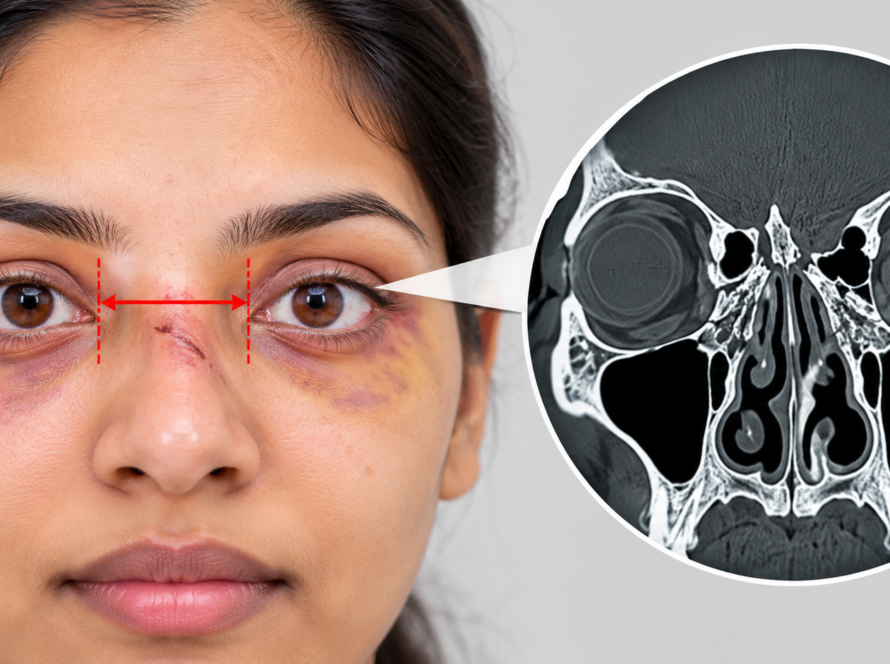
A bent or crooked nose can often be corrected with rhinoplasty, especially when the deviation is caused by changes in the nasal bones, cartilage, or septum. The exact treatment depends on whether the concern is mainly cosmetic, functional, or a combination of both. A crooked nose may develop naturally, occur after an injury, or be related to a deviated nasal septum.
For some patients, the external nose appears crooked while the internal septum is also deviated, which can contribute to difficulty breathing. In these situations, correcting only the visible appearance may not address the underlying problem. Septorhinoplasty, which combines septal correction with external nasal reshaping, may therefore be considered when both structure and appearance need attention.
Correcting a crooked nose is more complex than simply making the nose look straight from one angle. The surgeon needs to assess the nasal bones, cartilage, septum, tip, bridge, nostrils, facial symmetry, and breathing function. Research also highlights that facial asymmetry can influence how straight the nose appears after surgery, making careful planning and realistic expectations particularly important.
Key Takeaways
- A bent or crooked nose can often be improved with rhinoplasty.
- The cause may involve bone, cartilage, the nasal septum, or several structures together.
- A deviated septum can sometimes affect nasal breathing.
- Septorhinoplasty may address both nasal appearance and internal structural problems.
- Treatment must be planned according to the patient’s individual anatomy.
- A perfectly straight result cannot always be guaranteed, particularly with complex asymmetry.
- Proper assessment and realistic expectations are important before surgery.
What Causes a Bent or Crooked Nose?
A crooked nose can have several causes. Some people naturally have nasal asymmetry, while others develop a deviation after an injury or previous surgery.
Common causes include:
- Nasal injury or fracture
- Deviated nasal septum
- Uneven nasal bones
- Asymmetrical cartilage
- Developmental differences
- Previous rhinoplasty
- Previous nasal trauma
- Combination of internal and external structural problems
A crooked nose can involve more than one part of the nasal framework. Medical literature describes crooked noses as potentially involving the bony nasal pyramid, lateral cartilages, and nasal septum.
Can a Deviated Septum Make the Nose Look Crooked?
Yes. A deviated septum is a condition in which the cartilage and bone separating the nasal passages are displaced from the centre. A significant deviation may contribute to breathing difficulty and, in some people, an externally crooked appearance.
However, an externally crooked nose and a deviated septum are not exactly the same problem. They need to be assessed separately during consultation.
Can a Bent Nose Be Corrected Permanently?
Rhinoplasty can provide long-lasting structural correction of a crooked nose, but the degree of correction depends on the underlying anatomy.
A complex crooked nose can be particularly challenging because bone and cartilage may have forces that encourage them to deviate again during healing. Medical literature emphasises that crooked noses can usually be improved, but achieving absolute symmetry or a perfectly straight nose is not always possible.
The goal is therefore to achieve the optimal improvement while maintaining appropriate nasal structure and function.
How Does Rhinoplasty Correct a Crooked Nose?
Rhinoplasty corrects a crooked nose by addressing the specific structures responsible for the deviation.
Depending on the case, the surgeon may work on:
- Nasal bones
- Septal cartilage
- Upper lateral cartilage
- Lower lateral cartilage
- Nasal tip
- Nasal bridge
- Internal nasal support
Surgical approaches may include structural reshaping, repositioning cartilage, correcting the septum, and using grafts when additional support is needed. The exact technique is selected according to the patient’s anatomy rather than using one standard operation for everyone.
Why Is Structural Support Important?
Simply removing cartilage or bone is not always enough to straighten a crooked nose.
The surgeon must maintain adequate support while correcting the deviation. Depending on the problem, cartilage grafts or other structural techniques may be used to reinforce the nasal framework.
This is particularly important in more complex deviations because the nose needs to remain stable while healing.
Can a Deviated Septum Be Corrected at the Same Time?
Yes. When a deviated septum contributes to breathing problems or nasal asymmetry, septoplasty may be performed along with rhinoplasty.
Septoplasty focuses on straightening the internal nasal septum, while rhinoplasty changes the external shape and structure of the nose. Combining procedures may be appropriate when both functional and cosmetic concerns are present.
This combined approach is often referred to as septorhinoplasty.
However, not everyone with a crooked nose requires septoplasty. The decision depends on the findings during examination.
Can a Crooked Nose Be Fixed Without Surgery?
Non-surgical treatments have limitations when the nose is structurally bent.
Dermal fillers can sometimes camouflage minor contour irregularities by adding volume to selected areas. However, fillers cannot physically straighten significantly displaced nasal bones or cartilage, and they cannot remove a nasal hump or reduce the size of the nose.
For a structurally crooked nose, surgical correction is generally the more comprehensive approach.
The appropriate treatment should be determined after examining the nose rather than selecting a procedure based only on photographs.
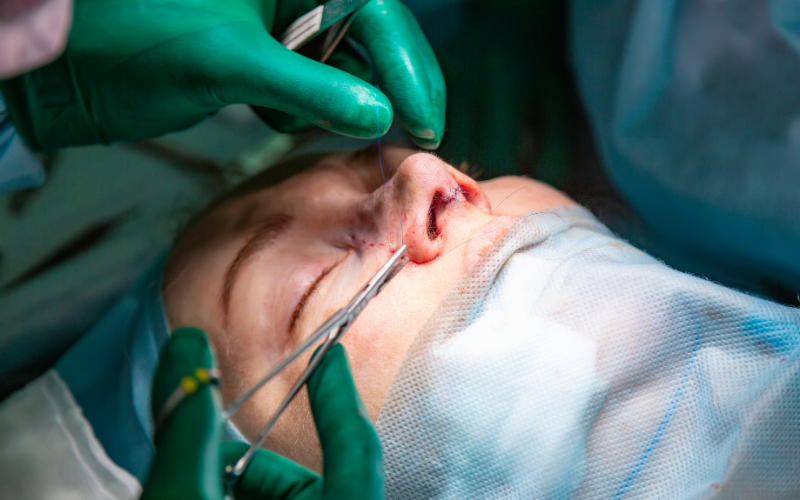
What Happens During Crooked Nose Surgery?
The exact surgical process varies according to the patient’s anatomy and the severity of the deviation.
1. Detailed Assessment
The surgeon examines the nose from different angles and assesses the bridge, tip, nostrils, septum, facial symmetry, and breathing.
2. Surgical Planning
The areas responsible for the deviation are identified and a personalised correction plan is created.
3. Structural Correction
The surgeon reshapes or repositions the relevant bone and cartilage. Septal correction may be performed when required.
4. Structural Support
In some cases, cartilage grafts may be used to support or stabilise the nasal framework.
5. Final Positioning
The nasal structures are positioned to improve both appearance and, when indicated, airflow.
Crooked-nose correction requires detailed planning because multiple structural components may contribute to the final appearance.
What Is Recovery Like After Nose Correction?
Recovery varies depending on the complexity of surgery and the techniques used.
During the early period, patients may experience:
- Swelling
- Bruising
- Nasal congestion
- Mild discomfort
- Temporary numbness
- Tenderness
- Difficulty breathing through the nose while swelling is present
Early recovery may take several weeks, while the nose can continue changing as swelling gradually settles. Cleveland Clinic notes that rhinoplasty healing can continue for up to a year, with the final shape becoming clearer as the nose fully heals.
Your surgeon will provide specific instructions regarding exercise, sleeping position, nasal care, pressure on the nose, and follow-up visits.
What Results Can You Expect?
The aim of crooked-nose correction is to create a straighter, more balanced nose while maintaining appropriate structural support and, when relevant, improving nasal airflow.
Results can vary because every nose has different anatomy.
Factors that influence the outcome include:
- Severity of the deviation
- Skin thickness
- Cartilage characteristics
- Previous trauma
- Previous surgery
- Facial asymmetry
- Healing response
- Surgical technique
Research on crooked-nose rhinoplasty emphasises that significant improvement is achievable, but complete symmetry cannot always be expected.
What Are the Risks of Crooked Nose Correction?
Like other surgical procedures, rhinoplasty carries potential risks.
Possible complications may include:
- Bleeding
- Infection
- Persistent swelling
- Scarring
- Nasal obstruction
- Changes in sensation
- Asymmetry
- Unsatisfactory cosmetic result
- Persistent or recurrent deviation
- Need for revision surgery
Complex crooked-nose cases can be particularly challenging, and published reviews emphasise the importance of careful assessment, surgical planning, and patient counselling.
Your surgeon should explain the risks that are specifically relevant to your anatomy and procedure.
Who May Be Suitable for Treatment?
A person may consider consultation for crooked-nose correction if they have:
- A visibly bent or deviated nose
- Nasal asymmetry
- A history of nasal injury
- Difficulty breathing through one or both nostrils
- A deviated septum
- Cosmetic concerns about nasal alignment
- Persistent changes following previous nasal surgery
Rhinoplasty is generally considered after nasal growth is complete, and patients should have realistic expectations about what surgery can achieve.
A consultation is necessary to determine whether surgery is appropriate.
How Can You Prepare for a Crooked Nose Consultation?
Before consultation, think about what concerns you most.
Is it:
- The front view?
- The side profile?
- Uneven nostrils?
- A crooked bridge?
- Difficulty breathing?
- A previous injury?
- A previous rhinoplasty?
Tell your surgeon about previous nasal injuries, surgeries, breathing problems, medications, and relevant medical history.
A detailed examination can help determine whether the problem is mainly cosmetic, functional, or both.
Crooked Nose Correction vs Septoplasty
| Treatment | Main Purpose | External Shape | Internal Septum | Breathing |
|---|---|---|---|---|
| Rhinoplasty | Reshape the nose | Yes | May be addressed | May improve depending on anatomy |
| Septoplasty | Straighten the septum | Usually limited | Yes | Often the main goal |
| Septorhinoplasty | Address both concerns | Yes | Yes | May improve when structural obstruction is corrected |
The appropriate procedure depends on the source of the deviation and the patient’s goals.
When Should You See a Specialist?
Consider a professional evaluation if your crooked nose is associated with:
- Persistent breathing difficulty
- Repeated nasal obstruction
- A previous nasal injury
- Significant visible deviation
- Concerns after previous rhinoplasty
- Ongoing discomfort or functional problems
A specialist can determine whether the issue involves the nasal bones, cartilage, septum, or another part of the nasal structure.
A bent or crooked nose can often be improved through carefully planned rhinoplasty. The correction may involve the nasal bones, cartilage, septum, nasal tip, or several structures at the same time. When a deviated septum is also causing breathing problems, septoplasty may be combined with rhinoplasty as part of a septorhinoplasty procedure.
Because crooked noses can be structurally complex, treatment should be personalised rather than based on a standard technique. The goal is to create a straighter, balanced nose while preserving appropriate support and function. Complete symmetry cannot always be guaranteed, particularly when significant deviation or facial asymmetry is present.
If you are concerned about a bent nose, nasal asymmetry, or difficulty breathing, an in-person assessment with a qualified plastic surgeon can help determine the most appropriate treatment.
Frequently Asked Questions
Yes. Many crooked noses can be improved with rhinoplasty, although the degree of correction depends on the underlying anatomy.
Yes. Rhinoplasty can reshape and reposition nasal bone and cartilage to improve nasal alignment.
Yes. A significant septal deviation can contribute to an externally crooked appearance and may also affect nasal airflow.
Non-surgical treatments may camouflage minor contour irregularities, but they cannot structurally straighten significantly displaced bone or cartilage.
It can when nasal obstruction is caused by structural problems that are corrected during surgery. Septoplasty may be included when a deviated septum contributes to obstruction.