Introduction
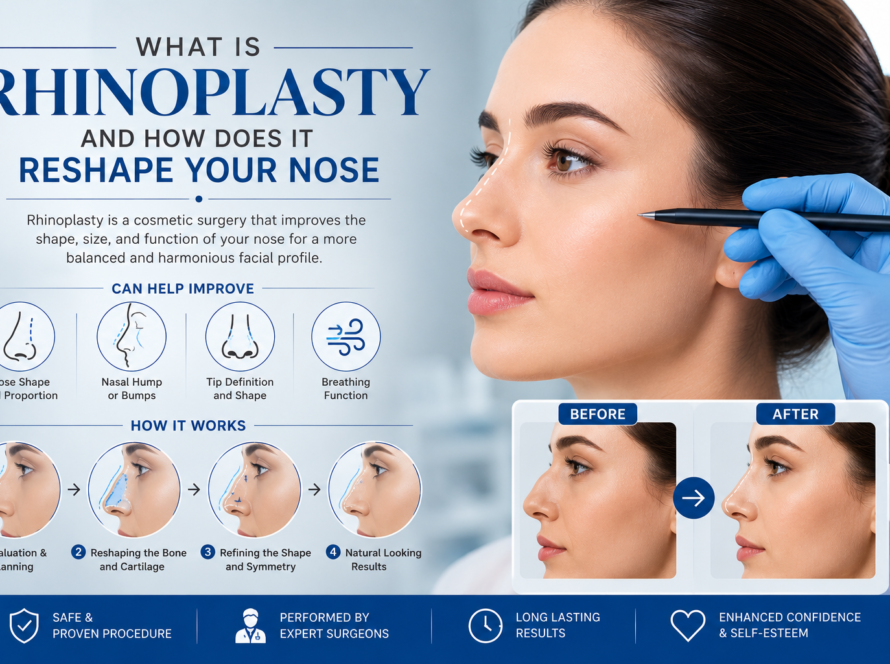
Non-surgical rhinoplasty is a minimally invasive cosmetic treatment that uses injectable dermal fillers to improve the appearance of certain areas of the nose without traditional surgery. People considering this treatment should first understand whether their concern can be addressed with fillers, what happens during the procedure, how recovery works and what follow-up care may involve.
For patients travelling from Adajan, the first step is a consultation with a qualified and experienced doctor. The doctor evaluates the nose, discusses realistic expectations, explains possible risks and determines whether non-surgical treatment is appropriate.
See our non-surgical rhinoplasty treatment page for treatment details and booking.
Unlike surgical rhinoplasty, this treatment does not involve reshaping nasal bones or permanently changing the underlying nasal structure. Results are temporary, and the treatment is not suitable for every concern.
1. What Is Non-Surgical Rhinoplasty and Who Is It For?
Non-surgical rhinoplasty, also called liquid rhinoplasty, is a cosmetic treatment that uses injectable dermal fillers to improve selected areas of the nose. Instead of removing bone or cartilage, the doctor carefully adds volume to specific areas to create a smoother and more balanced appearance.
Concerns that may be treated
Depending on the patient’s nasal anatomy, fillers may help with:
- Minor irregularities along the nasal bridge.
- Small depressions or uneven contours.
- Mild asymmetry.
- A flatter-looking nasal bridge.
- Certain minor contour concerns following previous rhinoplasty, after careful assessment.
Who may be a suitable candidate?
You may be considered for treatment if:
- You want subtle changes rather than major structural correction.
- You have minor contour irregularities.
- You prefer a temporary cosmetic enhancement.
- You understand that fillers add volume rather than remove tissue.
- You have realistic expectations about the outcome.
Who may need another treatment?
Non-surgical rhinoplasty is not suitable for everyone. People who want a smaller nose, major tip refinement, correction of significant structural problems or improvement in nasal breathing may need surgical assessment instead.
Patients with previous nasal surgery also require particular attention because their nasal blood supply may have changed. A detailed medical and anatomical assessment is important before proceeding.
2. How Is Non-Surgical Rhinoplasty in Adajan Surat Performed? Step-by-Step Procedure
The procedure begins with an individual consultation and treatment plan. The doctor evaluates the nose, discusses the patient’s concerns and decides whether injectable fillers can achieve the desired improvement.
The general treatment process involves the following steps.
Step 1: Initial consultation
The doctor discusses the patient’s expectations, medical history, previous cosmetic procedures, allergies and medications. Photographs may be taken to assess the nasal profile and facial proportions.
Step 2: Nasal assessment and treatment planning
The doctor examines the nasal bridge, tip, skin condition and surrounding facial structures. The areas requiring correction are identified, and the expected limitations are explained.
Step 3: Preparation before treatment
The treatment area is cleaned using appropriate antiseptic precautions. Depending on the product and patient’s comfort, a topical numbing cream or another suitable comfort measure may be used.
Step 4: Filler injection
The doctor places carefully controlled amounts of an appropriate dermal filler in selected areas. The objective is to improve contour and create a balanced appearance without unnecessary volume.
Nasal filler injections require advanced anatomical knowledge because blood vessels in this area have important connections with the blood supply to the eyes.
Step 5: Immediate assessment
The doctor evaluates the treated area and checks the initial contour. Patients receive instructions about aftercare, warning signs and when to contact the clinic.
Important: The exact technique, product, treatment duration and suitability must be confirmed by the treating doctor. The steps above are a general overview, not a guaranteed treatment protocol.
3. Recovery: What Do the First Few Weeks Look Like?
Recovery after non-surgical rhinoplasty is generally shorter than recovery after surgical rhinoplasty. However, temporary swelling, redness, tenderness or bruising may occur around the injection sites.
The recovery experience differs between patients depending on the filler, treatment technique and individual response.
| Recovery stage | What patients may experience |
|---|---|
| First 24 hours | Mild swelling, redness or tenderness |
| Days 2-3 | Temporary swelling or bruising may remain |
| Days 4-7 | Minor injection-related symptoms may gradually settle |
| Second week | The doctor can assess the developing contour if a review is advised |
| Following weeks | The appearance can be reassessed as initial swelling settles |
Aftercare instructions
Patients should follow their treating doctor’s instructions. General precautions may include:
- Avoid pressing, rubbing or massaging the nose unless instructed.
- Avoid strenuous exercise for the period recommended by the doctor.
- Avoid unnecessary pressure on the treated area.
- Do not attempt to adjust the filler yourself.
- Attend the recommended review appointment.
- Contact the clinic if unexpected symptoms develop.
Important safety warning: Severe or increasing pain, unusual skin whitening or discolouration, mottled skin, or any visual disturbance after filler injection requires immediate medical attention. Do not wait for a routine follow-up appointment. Vascular complications, although uncommon, can cause serious tissue injury or vision loss. American Society of Plastic Surgeons+1
4. Which Factors Influence the Cost?
The cost of non-surgical rhinoplasty is not identical for every patient. It depends on the treatment requirements, the product used and the doctor’s assessment.
The following factors may influence the overall cost.
Type of correction required
A patient requiring a small contour adjustment may have different treatment requirements from someone needing correction across multiple areas.
Type and quantity of dermal filler
The selected filler product and quantity required for the planned correction can influence the treatment expense.
Doctor’s expertise
Nasal filler injection requires detailed knowledge of facial anatomy and the ability to recognise and manage complications. The treating doctor’s qualifications, experience and safety protocols are important considerations.
Consultation and follow-up requirements
The treatment plan may include an initial consultation and one or more review appointments. Patients should ask whether these are included in the quoted treatment cost.
Additional medical requirements
Previous procedures, medical history or other individual considerations may require further assessment before treatment.
What should you ask about the price?
Before making a decision, request a clear explanation of:
- The proposed filler and quantity.
- The doctor’s consultation charges.
- Whether follow-up visits are included.
- Possible additional expenses.
- The plan for managing complications.
A lower price should not be the only reason for selecting a provider. Safety, medical qualifications and appropriate complication-management facilities should remain priorities.
5. Reaching the Clinic from Adajan and Planning Your Visit
Planning your appointment in advance can make the treatment experience more convenient. Patients should allow sufficient time for consultation, medical assessment and discussion of the treatment plan.
The clinic’s Adajan consultation location is:
Elegance Clinic
203, Trinity Business Park, Opposite G3 Store, Madhuvan Circle, LP Savani Road, Adajan, Surat, Gujarat – 395009.
Before visiting, patients should:
- Confirm the appointment date and time.
- Carry details of previous nasal procedures, if any.
- Share their current medication and allergy history.
- Discuss their expectations with the doctor.
- Confirm the expected treatment and review schedule.
Patients should not assume that treatment will be performed during the first consultation. The doctor may recommend additional assessment or advise against fillers if the procedure is unsuitable.
6. Questions to Ask Before You Decide
A consultation should help patients understand both the potential benefits and limitations of treatment.
Consider asking the doctor:
- Is my nasal concern suitable for filler treatment?
- Would surgical rhinoplasty be more appropriate?
- Which filler product is being recommended?
- What complications should I understand?
- What emergency arrangements are available?
- How long are the expected results likely to last?
- What should I do if I am unhappy with the outcome?
- When should I attend the next review?
Patients should also ask whether the selected filler can be dissolved and understand that dissolving filler does not guarantee reversal of every complication.
Patients considering non-surgical rhinoplasty in Adajan, Surat should first understand their treatment suitability. Read our guide on who should not have non-surgical rhinoplasty, explore non-surgical nose treatment, understand non-surgical nose bridge treatment, procedure and recovery, or contact a nose surgeon for a consultation. You can also read the American Society of Plastic Surgeons’ information about cosmetic procedures.
7. Frequently Asked Questions
The injection procedure is generally relatively short, but the complete appointment also includes consultation, nasal assessment, preparation and aftercare instructions. Ask the doctor for the expected appointment duration based on your treatment plan.
The number of follow-up visits depends on the treatment, filler used and individual response. Your doctor will recommend a review schedule to assess healing, contour and any unexpected symptoms. Additional visits may be required if concerns develop.
An initial online consultation may help patients discuss their concerns, share photographs and understand the general treatment options. However, photographs cannot replace an appropriate in-person medical assessment before nasal filler treatment.
Travel plans should be discussed with the treating doctor. Patients should understand the possibility of early swelling and ensure they can access urgent medical care if complications occur. Do not travel if you develop concerning symptoms after treatment.
An initial change in contour may be visible immediately after treatment. However, temporary swelling can affect the appearance. The doctor can assess the result after the early swelling has settled and advise whether further review is necessary.
No. It is generally considered for selected minor cosmetic concerns. Patients who want a smaller nose, significant structural changes or breathing improvement may need surgical evaluation. A qualified doctor must determine suitability.
Patients looking for non-surgical rhinoplasty in adajan surat can arrange a consultation at Elegance Clinic with Dr. Ashutosh Shah. The doctor can assess their nasal concerns, explain available options and recommend whether filler treatment or another approach is more appropriate.
Quick Facts About the Procedure
| Treatment detail | Information |
|---|---|
| Procedure | Injectable dermal filler treatment |
| Duration | To be confirmed by the doctor |
| Anaesthesia | Topical numbing or another suitable comfort measure, as advised |
| Hospital stay | Generally outpatient; doctor to confirm |
| Back to work | Often within a short period, depending on individual recovery |
| Follow-ups | As recommended by the treating doctor |
| Results | Temporary; duration depends on filler and individual factors |
| Treatment type | Minimally invasive |