How soon should a broken nose be reset?
A displaced broken nose is usually assessed once swelling starts to settle, often around days 3–5, and reduced before the bones become firmly fixed, commonly within 10–14 days in adults. Children may need earlier assessment and treatment. Timing depends on the fracture, swelling, breathing and clinical examination, so seek medical advice promptly.
Why does the timing matter after a nose fracture?
A nasal fracture can change the shape of the nose, affect breathing or injure the internal structures. Not every fracture needs manipulation: a minor, non-displaced fracture without functional problems may be managed with observation and follow-up.
When the nasal bones have shifted, a clinician may recommend closed reduction. This procedure moves the displaced bones back towards a better position without making an external surgical incision.
The timing matters because swelling can initially hide the extent of the deformity. Once swelling reduces, the clinician can assess the nose more accurately. However, waiting too long can make the bones harder to reposition because they begin to heal in the displaced position.
Do not try to straighten or push the nose back into place yourself. Arrange an assessment with an ENT specialist or an appropriately qualified facial plastic surgeon as soon as possible after the injury.
Why is the nose often assessed again on day 3 to 5?
Swelling and bruising are common immediately after a nasal injury. During the first few days, swelling can make it difficult to determine whether the nose is truly displaced or simply looks different because of soft-tissue inflammation.
A clinician may examine the nose at the initial visit and arrange reassessment after a few days if swelling limits the examination. The day 3–5 period is a common time for reassessment, not a reason to delay seeking care after an injury.
The examination may include:
- Checking the external shape and alignment of the nose
- Asking whether the nose looks different from before the injury
- Assessing airflow through each nostril
- Looking inside the nose for bleeding, swelling or internal injury
- Checking for a septal haematoma, a collection of blood inside the nasal septum
- Reviewing associated facial injuries and symptoms
A septal haematoma requires urgent medical assessment because untreated blood collection can damage cartilage. Increasing blockage, severe pain or a soft swelling inside the nose should not be left until a routine follow-up.
Imaging is not required for every isolated nasal fracture. A clinician may recommend imaging when the injury pattern or examination suggests other facial injuries.
Broken nose reduction timeline: what happens at each stage?
The following table is a general guide. The appropriate plan depends on the person’s age, the type of fracture, swelling, breathing and clinical findings.
| Time since injury | What may be happening | Possible option |
|---|---|---|
| First 24–48 hours | Swelling, bruising and bleeding may obscure the shape of the nose | Prompt assessment; control bleeding and check for urgent injuries |
| Days 3–5 | Swelling may begin to settle, allowing clearer assessment of alignment | Reassessment; decide whether observation or reduction is appropriate |
| Days 5–10 | A displaced fracture may still be suitable for closed reduction | Closed reduction when clinically indicated |
| Days 10–14 in adults | Bones may be starting to fix in their displaced position | Urgent specialist review if reduction has not yet occurred; suitability varies |
| After approximately 2 weeks | The bones may be less mobile and harder to reposition | Specialist assessment; later correction may be needed if deformity or obstruction persists |
| Around 3–6 months or later | Healing and residual deformity can be assessed after recovery | Consider delayed septorhinoplasty or rhinoplasty when appropriate |
Important: These are approximate clinical windows, not guaranteed deadlines. Some fractures need earlier intervention, while others do not require reduction. Children often need faster specialist assessment because nasal bones can heal more quickly; the treating specialist should determine the timing.
What happens during closed reduction of a nasal fracture?
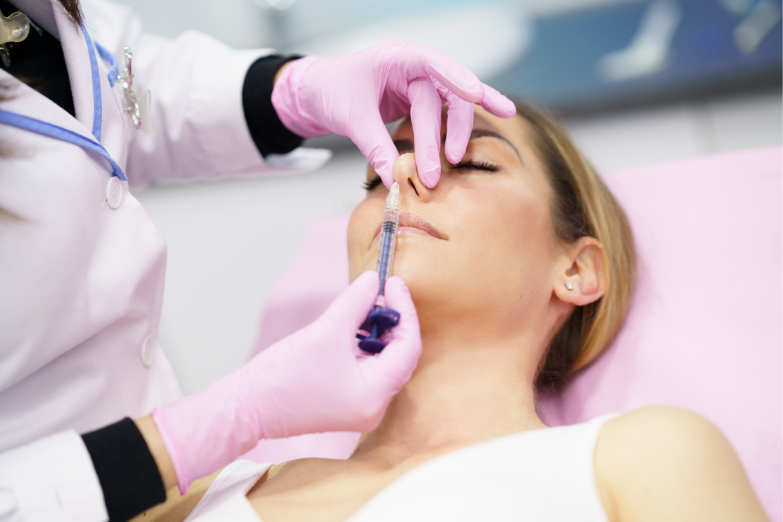
Closed reduction is a procedure used to reposition selected displaced nasal bones without an external incision. The clinician first assesses the injury and explains the expected benefits, limitations and risks.
Depending on the fracture and the patient’s needs, the procedure may be performed under local anaesthesia, sedation or general anaesthesia. The clinician uses appropriate instruments and controlled movements to reposition the bones. Nasal support or packing may be used in selected cases, depending on the injury and treatment plan.
The aim is to improve alignment and, where possible, preserve or restore nasal function. It cannot guarantee a perfectly straight appearance, because swelling, the original injury, cartilage damage and healing can influence the result.
Does reduction hurt under local anaesthesia?
Local anaesthesia numbs the treatment area, so sharp pain should be reduced. Patients may still feel pressure, movement or discomfort during manipulation. The experience differs between individuals and depends on the injury and anaesthetic method.
Tell the clinician about previous reactions to anaesthesia, medicines you take, allergies and any medical conditions. Ask what pain relief and aftercare will be provided.
For more detail about the procedure and comfort measures, read this guide to nose fracture surgery and recovery. The choice between local and general anaesthesia should be made with the treating team, not based on an assumption that one method is suitable for everyone.
Local or general anaesthesia: what should you expect?
The choice depends on the complexity of the fracture, the patient’s comfort, the clinician’s assessment and the available setting.
- Local anaesthesia: The nose is numbed while the patient remains awake. Pressure and movement may still be felt.
- Sedation: May be considered in selected settings to help with anxiety and comfort.
- General anaesthesia: The patient is unconscious during the procedure and may be advised when the fracture or clinical circumstances make it more suitable.
No method guarantees a completely sensation-free experience or is right for every patient. The clinician should explain the expected sensations, preparation, risks and recovery instructions beforehand.
You can also read about choosing an ENT or plastic surgeon for a broken nose.
What happens if the 10 to 14 day window is missed?
Missing the usual closed-reduction window does not mean that nothing can be done. It may, however, make immediate repositioning more difficult.
As healing progresses, the nasal bones can become fixed in their new position. The clinician will assess whether any intervention is still appropriate or whether it is better to allow healing to continue and plan a later correction.
If the nose heals crooked or breathing remains impaired, a specialist may consider delayed rhinoplasty or septorhinoplasty after the tissues have recovered. This is often considered several months after the injury, commonly around 3–6 months or later, depending on healing and the nature of the problem.
The later operation may involve more than simply moving the bones. It can require reshaping the nasal framework or correcting a deviated septum. The exact procedure depends on the structural changes and the patient’s symptoms.
Learn more about nasal bone fracture surgery and rhinoplasty after an accident.
Is it too late to fix a broken nose after three weeks?
Three weeks after an injury, the bones may already be healing in their current position, so routine closed reduction may no longer be suitable. However, this does not mean that the problem is permanently untreatable.
A specialist should assess the degree of deformity, nasal airflow, septal alignment and healing. Depending on the findings, the plan may be observation, treatment of ongoing complications or delayed corrective surgery after healing.
Do not attempt to manipulate a healed fracture at home. Seek urgent care if you have worsening pain, fever, persistent significant bleeding, increasing blockage or signs of infection.
How is breathing checked after a nose fracture?
A nasal fracture can affect the outer bones, the septum or other internal structures. A change in breathing should therefore be assessed rather than assumed to be temporary swelling.
The clinician may ask whether one or both nostrils feel blocked, whether the problem existed before the injury and whether airflow has changed since the accident. An internal nasal examination can help identify septal deviation, swelling, blood collection or other injury.
Seek urgent assessment if the nose becomes increasingly blocked soon after the injury, particularly with severe pain or swelling inside the nose. A septal haematoma needs prompt treatment.
Persistent obstruction after the fracture has healed may require further evaluation for a deviated septum or other structural problem. Treatment depends on the cause and may differ from the procedure used to reposition the nasal bones.
Who should assess a broken nose?
An ENT specialist or an appropriately qualified plastic or facial plastic surgeon can assess a nasal fracture, depending on local services and the injury. More complex facial injuries may require a specialist team.
The right clinician should assess both appearance and function. Ask about their experience with nasal fractures, the proposed procedure, anaesthesia options, expected limitations and follow-up plan.
When seeking nasal fracture surgery bardoli, confirm that the service can assess the injury promptly and advise whether immediate treatment or referral is needed. Do not delay urgent assessment just to wait for a particular clinic appointment.
Bring details of when and how the injury happened, any medicines you take, allergies, previous nasal surgery and whether breathing or the appearance of your nose has changed.
What should you avoid after nasal fracture reduction?
Follow the treating clinician’s instructions, because restrictions depend on the injury and procedure. General precautions may include:
- Avoid pressing, bending or attempting to straighten the nose.
- Avoid blowing your nose until the clinician says it is safe.
- Keep any splint or dressing in place as instructed.
- Use only recommended pain relief and other medicines.
- Attend follow-up visits so alignment and breathing can be checked.
- Avoid contact sports and activities that could cause another impact until medically cleared.
The time before returning to sport varies with the fracture, healing and the type of activity. Ask the clinician when it is safe to resume exercise, work and contact sports. A protective mask may be considered for some activities, but it does not remove the risk of reinjury.
Seek urgent medical attention for uncontrolled bleeding, clear watery drainage after significant facial trauma, worsening severe headache, vision changes, repeated vomiting or other concerning symptoms.
Frequently asked questions
A displaced nasal fracture is commonly reassessed when swelling begins to settle, often around days 3–5. If reduction is needed, it is usually performed before the bones become fixed, often within 10–14 days in adults. Children may need earlier treatment. Prompt clinical assessment determines the appropriate timing.
After about two weeks, the bones may have started to heal in the displaced position, making closed reduction harder or unsuitable. A specialist can assess whether any intervention remains possible or whether delayed corrective surgery should be considered after healing.
Local anaesthesia numbs the treatment area and reduces sharp pain, but pressure, movement or discomfort may still be felt. The experience varies by injury and individual. Ask the treating clinician about the anaesthesia plan, comfort measures and aftercare before the procedure.
Reduction aims to improve alignment, but a perfectly straight result cannot be guaranteed. Swelling, the original injury, cartilage damage and healing can affect the final appearance. Follow-up is important to assess alignment and breathing after the swelling settles.
Yes. A fracture can affect the nasal septum or other internal structures, leading to persistent blockage or altered airflow. Breathing changes should be assessed, particularly if they worsen or do not settle as swelling improves. A specialist can determine whether further treatment is needed.
Avoid contact sports and activities that could strike the nose until the treating clinician confirms it is safe. The restriction depends on the fracture, healing and the sport involved. Returning too early can cause reinjury or affect the result.
If you need nasal fracture surgery bardoli, contact an appropriate medical service for prompt assessment and confirm whether nasal-fracture evaluation and treatment are available. If there is severe bleeding, increasing blockage, suspected septal haematoma or another urgent symptom, seek emergency medical care rather than waiting for a routine appointment.