Septorhinoplasty vs septoplasty is an important comparison for people experiencing nasal breathing problems, a deviated septum, or concerns about the shape of their nose. Although both procedures involve nasal structures, they have different goals.
Septoplasty primarily corrects a deviated nasal septum to improve airflow. Septorhinoplasty combines septal correction with changes to the external structure or shape of the nose.
However, choosing between these operations requires more than comparing appearance or cost. The surgeon must assess your symptoms, nasal anatomy, medical history, and expectations.
Quick Answer: Septoplasty may suit patients whose main problem is a deviated septum affecting breathing. Septorhinoplasty may be appropriate when both the septum and external nasal structures need correction. Neither operation guarantees perfect breathing or appearance.
What Does Each Option Do?
Understanding the purpose of each procedure is the first step toward making an informed decision.
What Is Septoplasty?
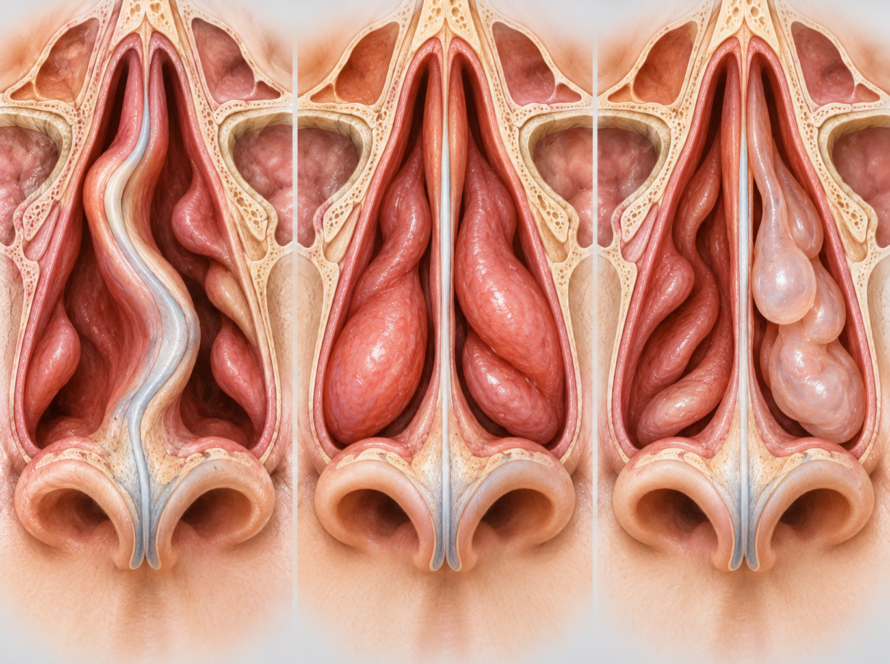
Septoplasty is a surgical procedure that straightens or repositions a deviated nasal septum.
The septum is the internal wall of cartilage and bone that separates the two nasal passages.
When the septum is significantly deviated, it may contribute to nasal obstruction.
During septoplasty, the surgeon adjusts the affected cartilage or bone to improve the nasal airway.
However, septoplasty does not usually aim to change the external appearance of the nose.
What Is Septorhinoplasty?
Septorhinoplasty combines correction of the septum with rhinoplasty techniques that reshape or reconstruct the nose.
It may be considered when a patient has both internal septal problems and external structural concerns.
For example, some patients have a crooked nose following an injury, along with a deviated septum.
In such cases, correcting only the internal septum may not address the entire structural problem.
Learn more about septorhinoplasty.
Septorhinoplasty vs Septoplasty: Side-by-Side Comparison
The following table explains the main differences.
| Factor | Septorhinoplasty | Septoplasty |
|---|---|---|
| Main purpose | Correct septal problems and reshape or reconstruct the nose | Correct a deviated nasal septum |
| Breathing improvement | May improve breathing when relevant structural causes are addressed | May improve breathing caused by septal deviation |
| External nose shape | May change | Usually remains unchanged |
| Surgical complexity | Often more complex | Usually less extensive |
| Anaesthesia | Commonly general anaesthesia | General or local anaesthesia with sedation, depending on the case |
| Recovery | Often involves more visible swelling and bruising | Usually less external swelling |
| Return to work | Depends on procedure; often around 1–2 weeks | Often around 1–2 weeks, depending on recovery |
| Cost | Often higher because of additional surgical work | Often lower for an uncomplicated procedure |
| Result durability | Structural changes are generally long-lasting | Septal correction is generally long-lasting |
| Main limitations | More extensive surgery and potentially longer recovery | Does not address all external nasal deformities |
Who Suits Which Option?
The right procedure depends on the cause of the problem.
When Septoplasty May Be Suitable
A surgeon may recommend septoplasty when the primary concern is difficulty breathing caused by a deviated septum.
Possible symptoms include persistent nasal blockage, difficulty breathing through one side, or obstruction that affects sleep and daily activities.
However, not all nasal congestion results from septal deviation.
Allergies, enlarged turbinates, nasal polyps, and other conditions may also contribute.
Therefore, a proper nasal examination is essential.
When Septorhinoplasty May Be Suitable
Septorhinoplasty may be considered when a patient needs correction of the septum together with changes to the external nasal structure.
For example, patients with nasal trauma, a crooked nose, or structural weakness may require a more comprehensive operation.
Some patients also want cosmetic changes alongside functional correction.
Nevertheless, cosmetic preferences and functional requirements should be discussed separately before planning surgery.
When Neither Operation May Be Necessary
Surgery is not always the first treatment.
If nasal obstruction mainly results from allergies or inflammation, medical treatment may be appropriate.
Similarly, a patient with mild symptoms may prefer observation or nonsurgical management.
The surgeon should explain the available alternatives and their limitations.
Planning Septorhinoplasty in Citylight Surat
Patients considering nasal surgery should begin with a detailed consultation.
During the appointment, the surgeon examines the nose externally and internally.
The assessment may include nasal airflow, septal alignment, skin characteristics, previous injuries, and breathing symptoms.
Questions About Nasal Function
The doctor may ask whether the obstruction affects one or both nostrils, whether symptoms change during the day, and whether medication has helped.
Questions About Appearance
If you also want changes to the nasal shape, explain your concerns clearly.
Photographs may support surgical planning, but simulated results cannot guarantee the final outcome.
Medical Assessment
Your surgeon will review medications, allergies, previous operations, and relevant health conditions.
Additional investigations may be recommended when necessary.
[Surgeon to add the clinic’s actual examination and preoperative assessment process.]
Can Septoplasty and Rhinoplasty Be Combined?
Yes. When both internal and external nasal structures require correction, surgeons may perform the procedures together as septorhinoplasty.
Combining the procedures can allow the surgeon to address related structural concerns during one operation.
However, combining procedures is not automatically better for every patient.
A more extensive operation may involve additional surgical time, recovery requirements, and cost.
For further information, read septorhinoplasty for breathing and nose shape together.
How Do the Procedures Differ in Recovery?
Both operations require postoperative care, but the recovery experience may differ.
Recovery After Septoplasty
Patients may experience nasal congestion, mild bleeding, discomfort, and swelling inside the nose.
Depending on the technique, the surgeon may place internal splints or other support.
Many patients return to lighter daily activities within approximately one to two weeks.
However, complete internal healing takes longer.
Recovery After Septorhinoplasty
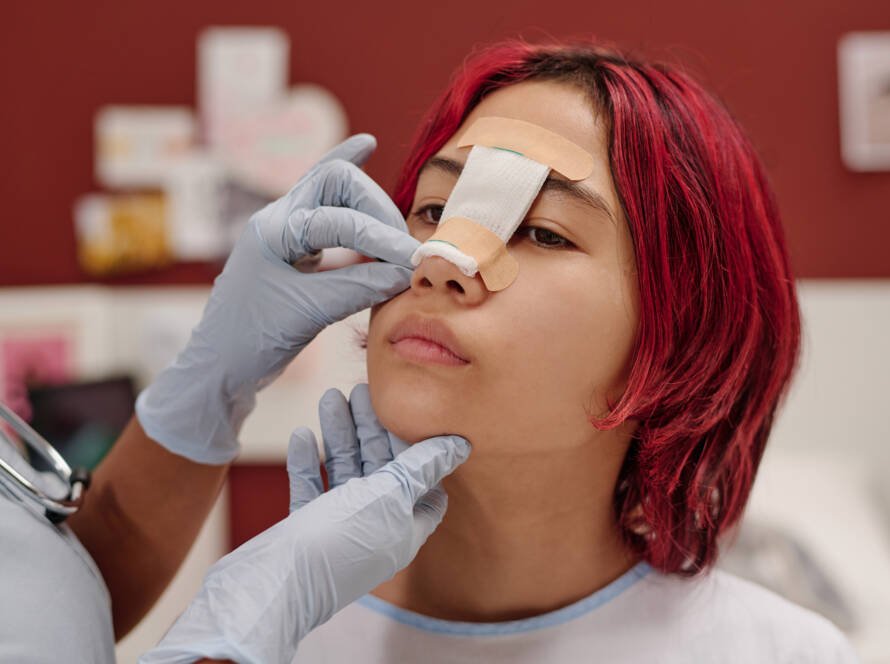
Because septorhinoplasty also involves external nasal structures, swelling and bruising around the nose or eyes may be more noticeable.
An external splint may be used.
Although early swelling improves over the first weeks, the nasal contour can continue changing for many months.
Returning to Exercise
Both procedures may require temporary restrictions on heavy exercise, contact sports, and activities that increase the risk of nasal injury.
Therefore, follow your surgeon’s instructions rather than relying on a fixed timeline.
[Surgeon to confirm typical recovery, work and exercise restrictions for both procedures.]
Which Procedure Costs Less?
Septoplasty is often less expensive than septorhinoplasty because it generally involves a narrower surgical objective.
However, the actual cost depends on several factors.
Surgical Complexity
A complicated septal deviation may require more extensive correction.
Similarly, septorhinoplasty involving cartilage grafting or reconstruction can require additional work.
Anaesthesia and Hospital Charges
The type of anaesthesia, operating facilities, and postoperative observation influence the total expense.
Additional Procedures
Some patients require turbinate treatment or other functional procedures.
Follow-Up and Aftercare
Ask whether the quotation includes consultations, investigations, hospital charges, medicines, and postoperative reviews.
[Clinic to confirm actual fees and inclusions. Do not publish estimated prices without verification.]
Which One Lasts Longer?
Both operations aim to produce long-lasting structural changes.
Septoplasty generally provides lasting correction of the treated septum, although persistent or recurrent obstruction can occur.
Septorhinoplasty also aims for durable structural and appearance changes.
However, healing, scar tissue, injury, ageing, and other factors may influence long-term outcomes.
Neither operation guarantees that revision surgery will never be necessary.
Risks and Possible Complications
Both operations carry surgical risks.
Potential complications include bleeding, infection, anaesthesia-related problems, persistent nasal obstruction, septal perforation, changes in sensation, and the possibility of further surgery.
Septorhinoplasty may also involve visible asymmetry, scarring, prolonged swelling, or dissatisfaction with the final appearance.
When Should You Contact the Surgeon?
Contact your surgical team if you experience worsening pain, fever, concerning discharge, or persistent bleeding.
Seek urgent medical attention for heavy uncontrolled bleeding, severe breathing difficulty, or other serious symptoms.
For additional patient information, see the NHS guide to septoplasty.
How to Decide With Your Doctor
The most appropriate choice depends on what is causing your symptoms and what you hope surgery will achieve.
Before making a decision, ask your surgeon:
- Is my breathing problem mainly caused by a deviated septum?
- Are external nasal structures contributing to the obstruction?
- Would septoplasty alone address my main concern?
- What additional benefit would septorhinoplasty provide?
- What are the risks and limitations of each procedure?
- How long should I plan for recovery?
- What is included in the treatment cost?
- What happens if symptoms persist after surgery?
For a personalised assessment, contact the rhinoplasty clinic.
Frequently Asked Questions (FAQs)
Both septoplasty and septorhinoplasty are intended to provide long-lasting structural correction. However, results vary according to anatomy, healing, injury, and other medical factors. Neither procedure guarantees permanent relief from every breathing problem.
Septoplasty generally involves less visible swelling because it usually does not reshape the external nose. Septorhinoplasty may require a longer period before visible swelling and bruising settle. Individual recovery varies.
Septoplasty is often less expensive than septorhinoplasty because the procedure is usually less extensive. However, patients exploring septorhinoplasty in citylight surat should request an individual quotation that includes surgery, anaesthesia, hospital charges, and follow-up care.
Yes, a patient who initially undergoes septoplasty may later be considered for rhinoplasty or septorhinoplasty if appropriate. However, previous surgery can affect the available cartilage, scar tissue, and complexity of future treatment.
Yes. Septorhinoplasty combines septal correction with reshaping or reconstruction of the nose when both are clinically appropriate. The surgeon decides whether a combined operation is suitable after examining nasal function and structure.
Conclusion
The choice between septorhinoplasty vs septoplasty depends on your symptoms, nasal anatomy, expectations, and medical needs.
Septoplasty primarily addresses a deviated septum. In contrast, septorhinoplasty can address both septal problems and external nasal structure.
Although both procedures aim for long-lasting improvement, their complexity, recovery, risks, and costs differ.
Therefore, a detailed examination and discussion with a qualified surgeon are essential before deciding.
To understand your options, book a consultation.