Preparing for crooked nose correction usually means completing tests, stopping smoking, reviewing medicines with your doctor, arranging help at home and planning time off. Good preparation lowers avoidable risks and supports a smoother recovery. However, every patient has different medical needs. Therefore, your surgeon should provide a personalised preparation plan before surgery.
What to Do 4 Weeks Before Crooked Nose Correction
Knowing how to prepare for crooked nose correction helps patients organise medical appointments, lifestyle changes and recovery arrangements in advance.
For treatment options and booking, see crooked nose treatment in Surat.
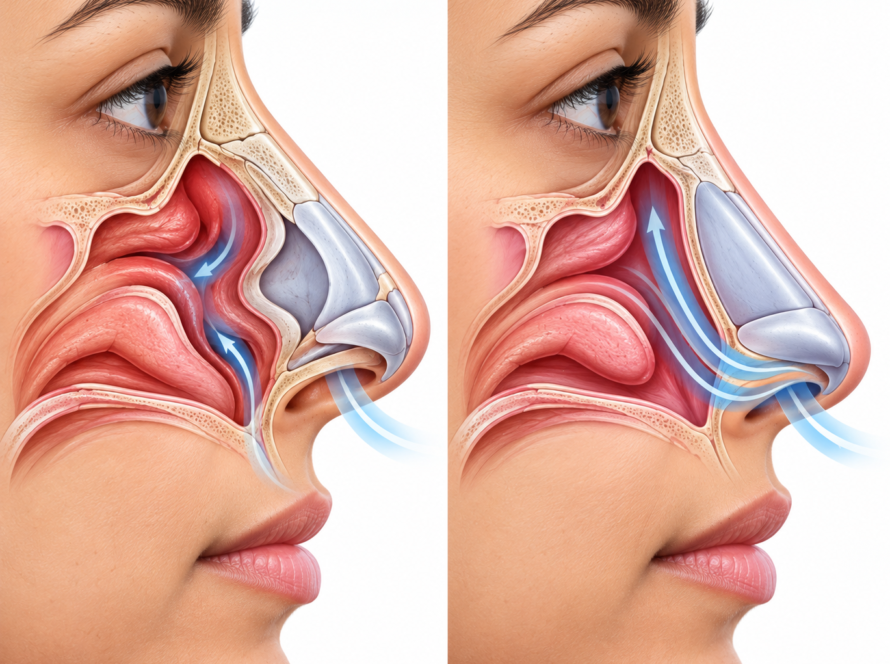
Crooked nose correction may involve reshaping nasal bones, adjusting cartilage or correcting a deviated septum. Consequently, preparation depends on the planned operation and the patient’s medical history.
Four weeks before surgery
Start by scheduling a detailed consultation with a qualified plastic surgeon.
During this appointment, discuss your nasal appearance, breathing concerns, previous injuries and expectations.
Additionally, tell your surgeon about any earlier nasal procedures.
Your surgeon may examine the nasal bridge, septum and nasal tip. Photographs may also support treatment planning.
At this stage, discuss whether the proposed operation aims to improve appearance, breathing or both.
Three weeks before surgery
Review your general health and complete any investigations your surgical team requests.
For example, patients with certain medical conditions may need additional assessment before anaesthesia.
Furthermore, discuss smoking, vaping, alcohol use and medications.
If you use nicotine products, follow the surgeon’s cessation instructions. Nicotine can impair blood supply and wound healing.
Two weeks before surgery
Begin organising your recovery arrangements.
Ask your employer about time off and arrange help with essential household activities.
Also, prepare a comfortable sleeping area where you can keep your head elevated.
Avoid activities that might injure your nose.
If you develop a respiratory infection, fever or other new symptoms, inform the surgical team promptly.
One week before surgery
Confirm the hospital arrival time, fasting instructions and medication plan.
Check whether your surgeon expects any additional investigations.
Next, arrange transport home and confirm that a responsible adult can accompany you after anaesthesia.
Finally, keep your medical documents and emergency contact information ready.
Four-week preparation checklist
| Week | Task | Done? |
|---|---|---|
| Week 4 | Attend surgical consultation and discuss treatment goals | ☐ |
| Week 4 | Share medical history and previous nasal surgery details | ☐ |
| Week 4 | Discuss smoking and nicotine cessation | ☐ |
| Week 3 | Complete prescribed medical tests | ☐ |
| Week 3 | Review all medicines and supplements | ☐ |
| Week 3 | Discuss anaesthesia-related concerns | ☐ |
| Week 2 | Arrange time off work | ☐ |
| Week 2 | Prepare sleeping and recovery arrangements | ☐ |
| Week 2 | Arrange transport and assistance at home | ☐ |
| Week 1 | Confirm fasting and medication instructions | ☐ |
| Week 1 | Pack documents and comfortable clothing | ☐ |
| Week 1 | Confirm the postoperative follow-up appointment | ☐ |
This checklist is a general guide. Your surgical team may recommend a different schedule.
For additional information about the procedure, visit the crooked nose correction service page.
Which Medicines and Supplements to Review
Medication review is an essential part of preparation.
Some medicines can increase bleeding risk, while others may affect anaesthesia or recovery.
However, stopping prescribed treatment without medical advice can be dangerous.
Blood-thinning medicines
Tell your surgeon if you take aspirin, warfarin, apixaban, rivaroxaban, clopidogrel or other medicines that affect clotting.
Some patients require these medicines because of serious cardiovascular conditions.
Therefore, the prescribing doctor and surgical team must decide whether any change is safe.
Never stop blood thinners independently.
Pain medicines
Certain anti-inflammatory medicines, including ibuprofen and naproxen, may increase bleeding risk.
Your surgeon may recommend avoiding specific medicines before surgery.
However, the instructions depend on your medical history and the planned procedure.
Herbal supplements
Tell the surgical team about vitamins, herbal products and nutritional supplements.
Some supplements may affect bleeding, blood pressure or interactions with anaesthesia medicines.
As a result, the team may advise temporarily stopping selected products.
Hormonal and long-term medicines
Patients taking diabetes medicines, blood pressure medicines, steroids or hormonal treatments should request individual instructions.
Additionally, patients using weight-management injections should inform the anaesthetist because some medicines can affect stomach emptying.
The anaesthesia team will decide whether adjustments are needed.
Medication checklist
Before surgery, prepare a written list of:
- Prescription medicines.
- Over-the-counter pain relievers.
- Herbal supplements.
- Vitamins and nutritional products.
- Hormonal treatments.
- Known medication allergies.
Bring this list to your consultation.
What Tests Are Usually Needed?
The tests before crooked nose correction depend on age, health conditions, symptoms and the complexity of surgery.
Not every patient needs every investigation.
Instead, the surgeon and anaesthetist select tests according to clinical requirements.
Blood investigations
Some patients may require a complete blood count or other blood tests.
These investigations help assess relevant health concerns before surgery.
However, routine testing is not always necessary for healthy patients undergoing elective procedures.
Blood clotting assessment
A clinician may recommend clotting investigations when the patient has a bleeding history, liver disease or takes certain medicines.
The need for testing depends on individual risk factors.
Heart and anaesthesia assessment
Patients with relevant cardiac conditions or other risk factors may require an ECG or additional assessment.
The anaesthetist also reviews previous anaesthesia experiences and medical conditions.
Nasal examination
The surgeon examines the nasal bones, cartilage, septum and breathing passages.
This examination helps determine whether structural correction is necessary.
Furthermore, it can identify nasal obstruction that may need treatment.
Imaging
Imaging is not routinely necessary for every cosmetic rhinoplasty patient.
However, a surgeon may request imaging when there is a specific concern, such as complex trauma or associated sinus disease.
Why these tests matter
Preoperative assessment helps identify risks and supports safer treatment planning.
Therefore, complete all requested investigations before the operation date.
Patients can also review nose bridge correction to understand another type of structural nasal concern.
What to Arrange at Home
Preparing your home before surgery can make the early recovery period more comfortable.
Patients considering crooked nose correction in piplod surat should organise transportation, rest and follow-up care before their treatment date.
Prepare a comfortable sleeping area
After nasal surgery, surgeons commonly recommend keeping the head elevated during early recovery.
Therefore, arrange suitable pillows or a supportive sleeping position.
Avoid placing unnecessary pressure on the nose.
Keep essential supplies nearby
Prepare a small recovery area with:
- Prescribed medicines.
- Drinking water.
- Soft, easy-to-eat meals.
- Tissues and approved care supplies.
- Phone and charger.
- Emergency contact details.
- Follow-up appointment information.
However, use nasal sprays, cleaning products or dressings only as instructed by your surgical team.
Arrange assistance
Patients receiving general anaesthesia need someone to take them home.
Additionally, they may require help during the first postoperative day.
Ask your surgical team how long assistance should remain available.
Plan time away from work
Many patients need a recovery period before returning to regular work.
However, the required time depends on the operation and job responsibilities.
For example, desk-based work may be possible earlier than physically demanding work.
Discuss your expected return-to-work date with your surgeon.
Avoid accidental nasal injury
During recovery, protect the nose from pressure and accidental contact.
Additionally, avoid strenuous exercise and contact sports until the surgeon provides clearance.
Patients should not assume that reduced swelling means the nasal structures have fully healed.
For information about a different reconstructive nasal procedure, see burned nose correction.
What to Bring on the Day
The final stage of a crooked nose correction preparation checklist involves confirming the hospital instructions and packing essential items.
A simple plan can reduce unnecessary stress on surgery day.
Medical documents
Bring your identification, relevant medical records and requested investigation reports.
Also, carry a list of medicines and allergies.
If the hospital has provided consent forms or admission documents, keep them accessible.
Comfortable clothing
Wear loose clothing that is easy to remove.
A button-front or zip-front shirt may be useful because it avoids pulling clothing over the nose.
Additionally, avoid unnecessary jewellery and follow the hospital’s instructions about makeup and personal products.
Follow fasting instructions
Your anaesthesia team will explain when to stop eating and drinking.
These instructions depend on the planned anaesthesia and individual circumstances.
Therefore, do not rely on a general fasting rule without confirming it with the hospital.
Confirm transportation
Do not plan to drive yourself home after general anaesthesia or sedation.
Instead, arrange transport with a responsible adult.
Also, confirm who will help you during the initial recovery period.
Final surgery-day checklist
- Confirm admission time.
- Follow fasting instructions.
- Take only medicines approved for surgery day.
- Bring medical reports and identification.
- Wear comfortable clothing.
- Arrange transportation home.
- Keep emergency contact details available.
- Confirm the first postoperative appointment.
When should you contact the clinic before surgery?
Inform the surgical team if you develop fever, respiratory symptoms, an active infection or a new medical problem.
Additionally, report any unexpected changes to your medicines.
The team can then decide whether further assessment or rescheduling is necessary.
To discuss surgical preparation or arrange an appointment, visit contact nose surgeon in surat.
Conclusion
Understanding how to prepare for crooked nose correction helps patients approach surgery with realistic expectations and a practical recovery plan.
Begin with a consultation, complete the required investigations and review all medicines with your surgical team.
Furthermore, avoid nicotine, organise home assistance and follow the hospital’s fasting instructions.
Most importantly, follow your surgeon’s personalised advice rather than relying on a generic checklist.
FAQs
Do not stop blood thinners without medical advice. Medicines such as warfarin, aspirin, apixaban and clopidogrel may require special planning before surgery. Your prescribing doctor and surgical team should assess bleeding and clotting risks. They will explain whether any medication changes are necessary and when to make them.
Eating and drinking instructions depend on the planned anaesthesia and your medical history. Your anaesthetist will provide specific fasting guidance before surgery. Do not eat or drink outside the permitted times. If you accidentally eat or drink, inform the surgical team immediately rather than hiding the information.
Yes, if you receive general anaesthesia or sedation, arrange for a responsible adult to take you home. You may also need assistance during the initial recovery period. The required duration depends on your condition and procedure. Confirm the arrangements with your surgeon before the scheduled operation.
Choose comfortable, loose-fitting clothing for surgery day. A button-front or zip-front shirt is useful because you can remove it without pulling fabric over your nose. Avoid unnecessary jewellery and follow hospital instructions about makeup. Additionally, bring comfortable footwear and any medical documents requested by your surgical team.
Smoking and nicotine use can affect blood circulation and wound healing. Patients considering crooked nose correction in piplod surat should discuss cessation with their surgeon as early as possible, ideally several weeks before surgery. The surgeon will explain how long to avoid smoking, vaping and nicotine products before and after treatment.