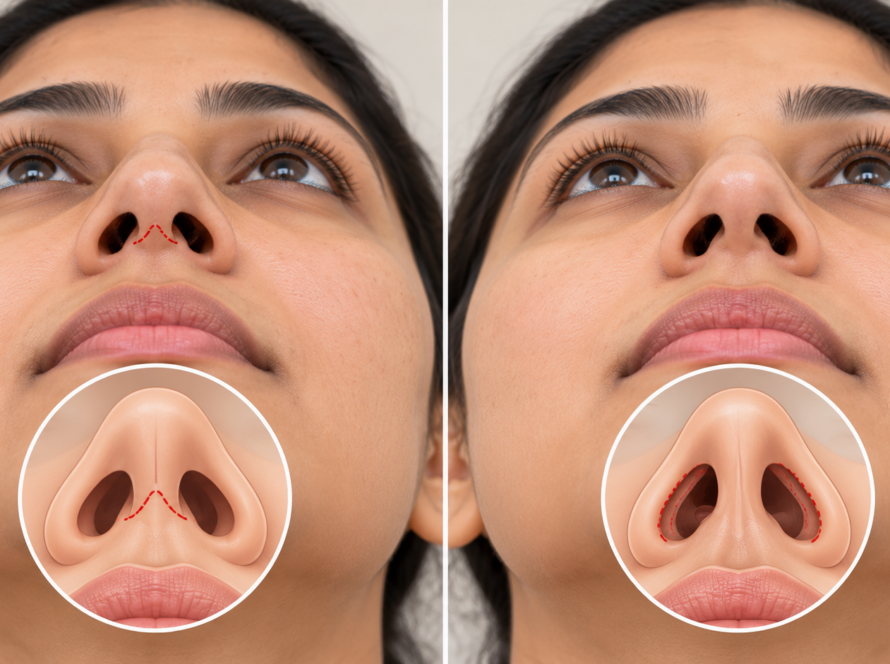
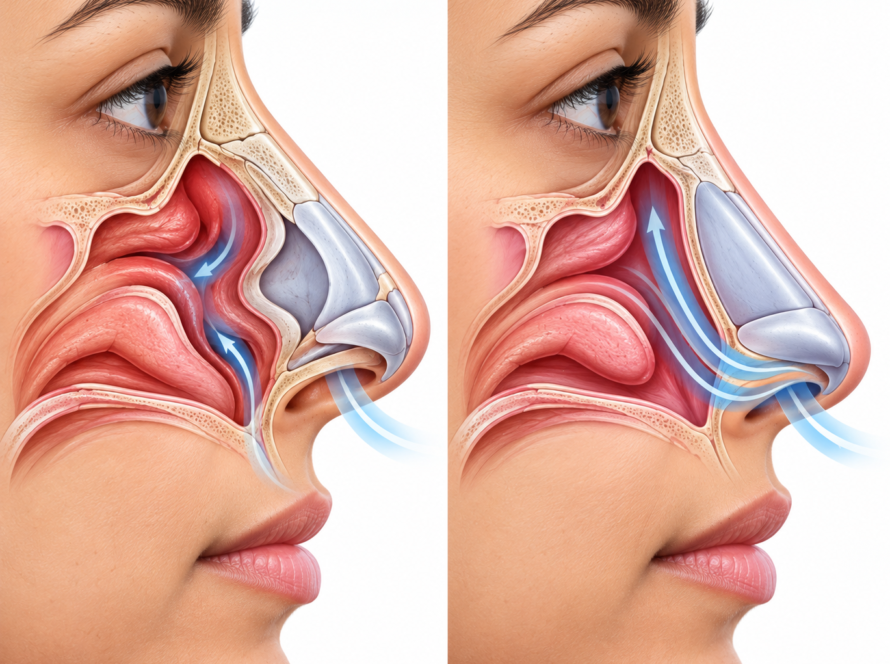
Crooked nose correction addresses a visibly bent or asymmetrical nose through individual assessment, treatment planning, recovery and follow-up care. Patients from Pal can begin with a consultation to understand whether the concern involves the nasal bones, cartilage, septum or a combination of structures. The surgeon then recommends suitable treatment based on appearance, breathing and overall health.
What Is Crooked Nose Correction and Who Is It For?
Crooked nose correction is a treatment designed to improve nasal alignment and, when necessary, address related breathing difficulties. A nose may appear crooked from the front because of its natural structure, an earlier injury, uneven cartilage or changes in the nasal septum.
For treatment options and booking, see crooked nose treatment in Surat.
However, not every crooked nose requires surgery. Some people have mild asymmetry without functional problems. Others experience visible deviation alongside nasal obstruction.
The most suitable treatment depends on the underlying cause.
Common reasons for a crooked nose
A crooked nose may develop because of:
- Natural differences in nasal bone or cartilage development.
- Previous facial injuries or nasal fractures.
- A deviated nasal septum.
- Changes following earlier nasal surgery.
- Uneven nasal tip or bridge support.
- Differences between nasal alignment and overall facial symmetry.
Therefore, an examination must identify which structures contribute to the concern.
Who may benefit from correction?
People may consider treatment when nasal deviation affects their appearance, breathing or confidence.
Potential candidates generally include adults with stable nasal development, realistic expectations and suitable overall health.
In addition, people with previous nasal injuries may benefit from an assessment to determine whether structural correction is appropriate.
However, individuals with uncontrolled medical conditions, active infections or unrealistic expectations may need further evaluation before proceeding.
Is surgery always necessary?
No. Mild cosmetic asymmetry does not always need treatment.
In selected cases, nonsurgical fillers can camouflage minor contour irregularities. However, fillers cannot straighten displaced bones or correct a deviated septum. Nasal fillers also carry serious vascular risks, including tissue injury and vision loss.
For significant structural deviation, a surgeon may recommend rhinoplasty or septorhinoplasty.
Patients can explore the clinic’s crooked nose correction service for more information.
How the Procedure Is Done, Step by Step
The crooked nose correction procedure steps vary according to nasal anatomy, the extent of deviation and whether breathing problems are present.
A surgeon may need to reposition nasal bones, reshape cartilage, correct the septum or combine several techniques.
Step 1: Initial consultation
The consultation begins with a discussion of the patient’s concerns and treatment goals.
The surgeon examines the nasal bridge, tip, septum, breathing passages and facial proportions.
Additionally, the surgeon reviews previous injuries, operations, medical conditions and medications.
Photographs may help document the current nasal structure and support surgical planning.
Step 2: Medical assessment and planning
Next, the surgeon determines whether the concern is primarily cosmetic, functional or both.
The assessment may include:
- External nasal examination.
- Internal nasal airway assessment.
- Review of previous injuries.
- Medical history and medication review.
- Preoperative investigations when indicated.
- Discussion of achievable results and surgical limitations.
The surgeon then explains the recommended approach.
Step 3: Anaesthesia and preparation
On the procedure day, the surgical team reviews the treatment plan and confirms the patient’s readiness.
General anaesthesia is commonly used for structural rhinoplasty, although the final approach depends on the operation and anaesthesia assessment.
Patients should follow their surgeon’s instructions about fasting, medicines and arrival time.
Step 4: Nasal correction
During surgery, the surgeon may reposition nasal bones, adjust cartilage or correct the septum.
Some procedures use an open approach, while others use incisions inside the nostrils.
The choice depends on the anatomy and the correction required.
The aim is to improve nasal alignment while preserving or improving nasal function.
Step 5: Dressing and observation
After the procedure, the surgical team monitors the patient during recovery from anaesthesia.
An external nasal splint may help protect the corrected structures. Internal supports are used in selected cases.
The team also explains medicines, wound care and activity restrictions.
Step 6: Discharge and follow-up
Finally, the surgeon provides instructions about rest, sleeping position, nasal protection and follow-up appointments.
Some patients may go home the same day, while others require overnight observation.
For additional details about structural nasal concerns, read bent crooked nose correction.
Recovery: What the First Weeks Look Like
Recovery after crooked nose correction happens gradually. Swelling, bruising, congestion and mild discomfort are common during the early healing period.
However, recovery differs according to the complexity of surgery, the patient’s health and the techniques used.
First 24-48 hours
During the initial recovery period, patients may notice swelling around the nose and cheeks.
Mild blood-stained drainage can occur, but heavy or persistent bleeding requires medical assessment.
Patients should rest with their head elevated and follow prescribed medication instructions.
Additionally, they should avoid unnecessary bending, heavy lifting and pressure on the nose.
Days 3-7
Swelling and bruising may remain noticeable.
If the surgeon has placed a splint, it usually stays in position until the planned removal appointment.
Patients should not remove dressings or adjust nasal supports themselves.
Instead, they should attend the scheduled review.
Weeks 2-4
Visible bruising often improves during the following weeks, although swelling can continue.
Some patients return to desk-based activities once their surgeon considers them ready.
However, strenuous exercise, contact sports and activities that risk nasal injury require additional restrictions.
Following months
Nasal swelling continues to settle gradually.
The nasal tip may remain swollen longer than other areas, particularly after more complex surgery.
Consequently, the final shape cannot be judged immediately.
Some rhinoplasty results take a year or longer to fully mature.
Recovery warning signs
Contact the surgical team promptly if you experience:
- Increasing pain that does not improve with prescribed medication.
- Fever or spreading redness.
- Persistent or heavy bleeding.
- Unusual discharge or worsening swelling.
- Sudden deterioration in breathing.
Seek emergency medical care for severe breathing difficulty, uncontrolled bleeding or visual changes.
Recovery and follow-up table
| Stage | What to expect | What to do | Warning signs |
|---|---|---|---|
| Procedure day | Anaesthesia recovery, congestion and swelling | Rest and follow discharge instructions | Severe bleeding or breathing difficulty |
| First week | Bruising, swelling and nasal tenderness | Protect the nose and attend review | Fever or increasing pain |
| Weeks 2-4 | Gradual improvement in visible swelling | Resume activities only as advised | Worsening redness or discharge |
| Following months | Continued refinement of nasal contours | Attend scheduled follow-ups | New deformity or persistent functional problems |
The clinic’s crooked nose correction treatment guide surat provides additional background about treatment planning.
Which Factors Change the Cost?
Crooked nose correction costs vary because the procedure is tailored to each patient’s anatomy and treatment requirements.
A simple correction may differ significantly from a complex operation involving the nasal bones, septum and supporting cartilage.
Main cost factors
1. Severity of nasal deviation
A mild structural deviation may require a different surgical approach from a severely crooked nose.
2. Type of procedure
The treatment may involve rhinoplasty, septoplasty or combined septorhinoplasty.
3. Primary or revision surgery
Revision procedures may require more detailed planning because previous surgery can change nasal support and scar tissue.
4. Anaesthesia
The type of anaesthesia and required monitoring affect the overall treatment cost.
5. Hospital facilities
Operating theatre charges, facility fees and the need for an overnight stay may influence the estimate.
6. Investigations and follow-up care
Preoperative tests, medicines, dressings and follow-up appointments may contribute to the total expense.
What should a cost estimate include?
Before proceeding, patients should request an itemised quotation.
The estimate should clarify whether it includes surgeon fees, anaesthesia, hospital charges, investigations, medicines and postoperative appointments.
Furthermore, patients should ask about charges for additional treatment if complications occur.
Avoid choosing surgery based only on the lowest quoted price. Surgeon qualifications, safety standards and realistic treatment planning are equally important.
Reaching the Clinic from Pal
Patients considering crooked nose correction in pal surat should plan their consultation, treatment date and follow-up appointments before arranging surgery.
A well-organised schedule can make the treatment process easier, especially when someone needs time away from work or assistance during recovery.
Start with a consultation
The first appointment helps the surgeon understand the patient’s concerns and assess whether surgery is appropriate.
Patients should explain whether they are concerned about nasal appearance, breathing difficulties or both.
They should also share photographs of earlier injuries, previous medical records and details of any past nasal surgery.
Prepare for the treatment day
Once the surgeon confirms the treatment plan, patients can arrange transportation and postoperative support.
Before the procedure, ask the clinic about:
- The confirmed surgery date and arrival time.
- Required blood tests or other investigations.
- Fasting and medication instructions.
- Expected hospital stay.
- Whether someone must accompany the patient.
- The first postoperative review appointment.
Plan your recovery
Patients should avoid scheduling demanding work or important social events immediately after surgery.
Additionally, they should arrange help with household activities during the early recovery period.
After general anaesthesia, patients should not drive themselves home.
A responsible adult may also need to remain with them during the initial recovery period.
Organise follow-up appointments
Crooked nose correction follow up visits allow the surgeon to assess healing, examine nasal alignment and identify possible complications.
The first appointment may involve checking the splint, dressings or sutures.
Further appointments help monitor swelling, breathing and the developing nasal contour.
However, the exact number and timing of visits depend on the individual surgical plan.
Patients can use the contact nose surgeon in surat page to request an appointment and confirm clinic arrangements.
Questions to Ask Before You Decide
Choosing nasal correction surgery requires more than comparing photographs or treatment prices.
Patients should understand the procedure, realistic results, recovery requirements and possible risks.
What result can I realistically expect?
The surgeon should explain which aspects of the nasal deviation can be improved.
Perfect symmetry is not always achievable because facial structures naturally vary.
Additionally, previous injuries and existing cartilage support may limit the degree of correction.
Will the procedure improve breathing?
Some crooked noses are associated with a deviated septum or other airway problems.
If the surgeon identifies functional obstruction, the treatment plan may include septal correction.
However, cosmetic straightening alone does not guarantee improved breathing.
What are the possible complications?
Potential complications include bleeding, infection, anaesthesia-related problems, persistent asymmetry, scarring, breathing difficulties and dissatisfaction with the result.
Occasionally, further surgery may be necessary.
Therefore, patients should discuss their individual risk factors before consenting.
How should I compare surgeons?
Ask about the surgeon’s qualifications, experience with crooked noses and approach to functional nasal problems.
Patients should also understand where the operation takes place and how postoperative concerns are handled.
What should I know about long-term results?
Rhinoplasty results are generally long-lasting, but the nose continues to change during healing.
Swelling can temporarily make the nose appear uneven.
For this reason, patients should avoid judging the final outcome too early.
A realistic discussion before surgery helps establish appropriate expectations.
Medical reference: The American Society of Plastic Surgeons rhinoplasty recovery guidance explains postoperative swelling, splint care and the gradual development of the final nasal contour. American Society of Plastic Surgeons+1
Quick facts: Crooked nose correction
| Detail | General guidance / clinic confirmation |
|---|---|
| Procedure duration | [Surgeon to confirm typical duration] |
| Anaesthesia | Usually general anaesthesia for structural rhinoplasty; confirm individual plan |
| Hospital stay | [Clinic to confirm same-day discharge or overnight stay] |
| Return to desk work | Often around 1–2 weeks; individual clearance required |
| Initial follow-up | Commonly around one week; [clinic to confirm] |
| Additional follow-ups | [Surgeon to confirm schedule] |
| Final results | Refinement may continue for 12 months or longer |
These general recovery estimates are consistent with published rhinoplasty guidance, but they are not confirmed clinic-specific promises. NHS+2
Conclusion
Crooked nose correction requires careful assessment of nasal structure, breathing function and cosmetic expectations. A suitable treatment plan considers the underlying cause, surgical technique, recovery requirements and follow-up care.
Patients from Pal can begin by discussing their concerns with a qualified surgeon and understanding the available options.
About the surgeon: Dr. Ashutosh Shah, M.S., M.Ch., D.N.B., Plastic and Reconstructive Surgeon.
FAQs
The duration depends on the complexity of the nasal deviation and the surgical techniques required. Some patients need correction of the nasal bones, cartilage and septum. Anaesthesia preparation and postoperative observation also take additional time. The surgeon will explain the expected schedule after examining the nose and finalising the treatment plan.
The number of follow-up visits depends on the procedure, healing progress and whether the surgeon uses nasal splints or sutures. Patients considering crooked nose correction in pal surat should arrange their initial review before surgery. Additional appointments may be necessary to monitor swelling, breathing and nasal alignment.
An initial online consultation may help patients discuss their concerns, medical history and previous nasal injuries. Photographs can support preliminary assessment. However, online discussions cannot replace a complete physical examination. The surgeon must assess nasal structure and breathing before confirming the operation, treatment approach or final surgical estimate.
Travel depends on the operation, anaesthesia, swelling and risk of postoperative complications. Short journeys may be possible earlier than long-distance travel, but patients should not travel independently immediately after anaesthesia. Flying may require additional restrictions. Always obtain the surgeon’s clearance and arrange necessary follow-up appointments before departure.
Initial changes become visible as swelling and bruising improve during the first few weeks. However, the nasal tip and deeper tissues may remain swollen for several months. Final refinement can take approximately one year or longer. Recovery varies, so the surgeon should assess progress during scheduled follow-up visits.
Image concept: A realistic medical consultation showing an adult patient discussing nasal alignment with a qualified surgeon. The patient remains fully clothed, and the surgeon uses a simple nasal anatomy diagram. Clean clinical background, soft lighting, no surgery, blood, needles, logos or watermark.