Written By :Dr. Ashutosh Shah, M.Ch., DNB (Plastic Surgery)
Director, Elegance Clinic, Surat
22+ Years of Experience in Plastic, Cosmetic & Reconstructive Surgery
Dr. Ashutosh Shah is a leading Plastic, Cosmetic & Reconstructive Surgeon in Surat with extensive experience in facial aesthetics, rhinoplasty, reconstructive procedures, and advanced cosmetic treatments. At Elegance Clinic, he provides personalized nose correction treatments focused on improving both appearance and nasal function.
A crooked nose is a common concern that can affect facial balance, confidence, and sometimes breathing ability. Many people wonder, “Can a crooked nose be fixed?” The answer depends on the cause, severity, and whether the concern is related to the nasal bones, cartilage, septum, injury, or genetics.
A crooked nose may develop due to birth-related structural differences, previous trauma, a deviated nasal septum, or changes that occur over time. Modern nose correction procedures, including rhinoplasty and septorhinoplasty, can help improve nasal shape, alignment, and breathing function when performed by an experienced plastic surgeon.
At Dr. Ashutosh Shah’s Elegance Clinic, advanced evaluation and customized treatment plans are provided based on each patient’s nasal structure and goals.
Key Takeaways
- A crooked nose can often be corrected with proper diagnosis and treatment.
- The right treatment depends on whether the problem involves nasal bones, cartilage, or the nasal septum.
- Rhinoplasty can improve nose shape, while septorhinoplasty can address both appearance and breathing issues.
- Non-surgical treatments may help only in selected mild cases.
- Consultation with an experienced plastic surgeon is important for safe and natural-looking results.
Definition Box: What Is a Crooked Nose?
A crooked nose is a condition where the nose appears tilted, shifted, or uneven from the center of the face due to changes in nasal bone structure, cartilage, or the internal nasal septum.
A crooked nose may appear as:
- A nose that bends to one side
- Uneven nasal bridge
- Tilted or asymmetrical nose tip
- Difficulty breathing through one or both nostrils
- Facial imbalance caused by nasal deviation
The condition can be purely cosmetic or may involve functional problems affecting airflow.
What Causes a Crooked Nose?
A crooked nose can occur due to several factors, including:
1. Nasal Injury or Trauma
One of the most common causes of a crooked nose is trauma. Accidents, sports injuries, falls, or previous nasal fractures can shift the nasal bones or cartilage out of alignment.
2. Deviated Nasal Septum
The septum is the structure that separates the two nasal passages. When the septum becomes displaced, it may create a crooked appearance and may also cause breathing difficulties.
3. Natural Growth and Genetics
Some people naturally develop nasal asymmetry due to inherited facial structure or differences in cartilage and bone growth.
4. Previous Nasal Surgery
In some cases, changes after previous nose surgery may result in unevenness or nasal asymmetry.
Can a Crooked Nose Be Fixed?
Yes, a crooked nose can often be corrected depending on the underlying cause and severity.
The treatment approach is selected after evaluating:
- Nasal bone alignment
- Cartilage structure
- Septum position
- Breathing function
- Facial proportions
- Patient expectations
For many patients, crooked nose correction surgery (rhinoplasty) is the most effective solution because it allows precise reshaping and repositioning of nasal structures.
When breathing problems are present, a septorhinoplasty may be recommended to correct both the external appearance and internal nasal blockage.
When Does a Crooked Nose Need Treatment?
A crooked nose correction may be considered when:
Cosmetic Concerns:
- The nose appears visibly tilted
- Facial symmetry is affected
- The patient feels uncomfortable with nose appearance
- The nose shape affects confidence
Functional Concerns:
- Difficulty breathing through the nose
- Frequent nasal blockage
- Unequal airflow between nostrils
- Sleep-related breathing discomfort
A detailed consultation helps determine whether treatment is needed and which option is most suitable.
Why Proper Evaluation Is Important
Every crooked nose is different. Some cases involve only minor external asymmetry, while others involve complex changes in nasal bones, cartilage, and septum.
During consultation, Dr. Ashutosh Shah evaluates:
- External nasal shape
- Internal nasal structure
- Breathing pattern
- Previous injuries or surgeries
- Desired cosmetic improvements
This personalized approach helps create a treatment plan focused on natural-looking and balanced results.
Crooked Nose Correction: Treatment Options, Surgery, Recovery & Results
Types of Crooked Nose Correction Treatments
The most suitable treatment for a crooked nose depends on the cause, severity, and whether the concern is cosmetic, functional, or both. After a detailed evaluation, Dr. Ashutosh Shah recommends the most suitable approach for each patient.
1. Rhinoplasty for Crooked Nose Correction
Rhinoplasty is a surgical procedure designed to reshape and improve the appearance of the nose. It can help correct:
- Crooked nasal bridge
- Uneven nose shape
- Nasal asymmetry
- Tilted nose tip
- Structural irregularities
During rhinoplasty, the nasal bones and cartilage may be carefully reshaped and repositioned to create better alignment with the rest of the face.
At Elegance Clinic, rhinoplasty treatment is planned according to each patient’s facial features to achieve balanced and natural-looking results.
2. Septorhinoplasty for Crooked Nose With Breathing Problems
Some patients have a crooked nose due to a deviated nasal septum. In such cases, septorhinoplasty may be recommended.
This procedure combines:
- Septoplasty – Correction of the internal nasal septum to improve airflow
- Rhinoplasty – Correction of the external nasal appearance
Septorhinoplasty can help patients who experience:
- Difficulty breathing through one nostril
- Chronic nasal blockage
- Uneven airflow
- Nasal deformity after injury
3. Non-Surgical Nose Correction (Selected Cases)
Non-surgical nose correction using dermal fillers may improve certain minor nasal irregularities. However, it cannot straighten the nasal bones or correct structural problems.
It may be considered for:
- Small contour irregularities
- Minor cosmetic concerns
- Temporary improvement in selected cases
A consultation is required to determine whether a non-surgical option is appropriate.
Benefits of Crooked Nose Treatment
Correcting a crooked nose can provide both cosmetic and functional benefits.
Improved Facial Balance
A straighter nose can create better harmony between facial features.
Better Nasal Appearance
Treatment can improve:
- Nasal symmetry
- Bridge alignment
- Nose tip position
- Overall facial proportion
Improved Breathing
When structural problems affect airflow, corrective surgery may help improve nasal breathing.
Increased Confidence
Many patients experience improved self-confidence after achieving a nose shape that feels more balanced and natural.
Who Is a Good Candidate for Crooked Nose Correction?
A good candidate may include someone who:
- Has a visibly crooked or tilted nose
- Experiences breathing difficulties due to nasal structure
- Has nasal asymmetry after injury
- Is unhappy with nose appearance
- Has realistic expectations about results
- Is physically healthy for surgery
A detailed consultation with an experienced plastic surgeon helps determine suitability.
How Is Crooked Nose Surgery Performed?
The exact technique depends on the complexity of the nasal deformity.
Step 1: Consultation and Evaluation
During consultation, Dr. Ashutosh Shah assesses:
- Nose shape and structure
- Facial proportions
- Internal nasal anatomy
- Breathing concerns
- Treatment goals
Step 2: Surgical Planning
A customized surgical plan is created based on whether correction requires:
- Bone reshaping
- Cartilage modification
- Septum correction
- Tip refinement
Step 3: Procedure
Crooked nose correction is usually performed under anesthesia. The surgeon carefully adjusts nasal structures to improve alignment while maintaining natural facial harmony.
Step 4: Recovery and Healing
After surgery, the nose gradually heals as swelling decreases and tissues settle into their new position.
Recovery Timeline After Crooked Nose Surgery
Recovery after crooked nose correction surgery is a gradual process that depends on the type of procedure performed, the extent of nasal correction, and the individual healing response. While initial improvements may be noticed within a few weeks, the final nasal shape continues to refine as swelling decreases over several months.
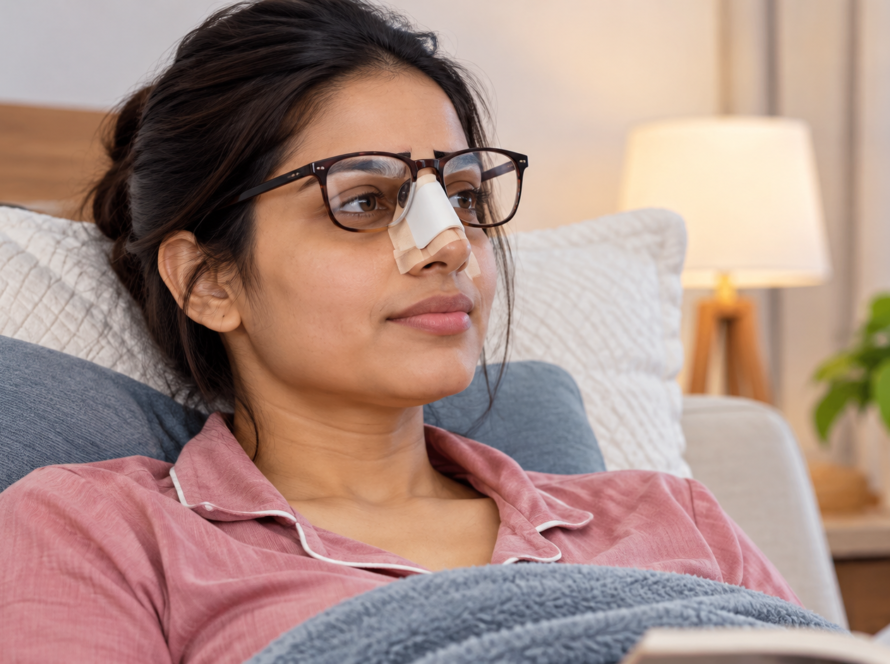
During the first week after surgery, patients may experience swelling, bruising, and mild nasal congestion. A nasal splint or support may be placed to protect the nose and maintain proper alignment during the early healing phase. Patients are usually advised to take adequate rest and follow all post-operative instructions provided by their surgeon.
After 1 to 2 weeks, most visible bruising and initial swelling begin to reduce. Many patients can gradually return to normal daily activities, depending on their comfort level and recovery progress. However, care should still be taken to avoid accidental pressure or injury to the nose.
Around 4 to 6 weeks after surgery, the nose continues to heal internally. Although the external appearance improves significantly, deeper tissues are still recovering. Patients may gradually resume more activities, but strenuous exercise and activities that risk nasal injury should be avoided until approved by the surgeon.
Between 3 to 6 months after crooked nose correction, swelling continues to decrease, allowing the improved nasal shape, symmetry, and facial balance to become more noticeable. The nose gradually develops a more refined and natural appearance.
Up to 1 year after surgery, the nose continues its final healing process. Subtle changes in nasal contour and definition may continue as the tissues fully settle. Final results are usually appreciated once the healing process is complete.
Following proper aftercare, attending follow-up visits, and maintaining realistic expectations are important for achieving safe and long-lasting results after crooked nose surgery. At Elegance Clinic, Surat, Dr. Ashutosh Shah provides personalized recovery guidance to help patients heal comfortably and achieve natural-looking outcomes.
Recovery varies depending on the procedure performed and individual healing response.
Risks and Possible Complications
Like any surgical procedure, crooked nose correction may have certain risks. These may include:
- Temporary swelling
- Bruising
- Nasal congestion during healing
- Infection (rare)
- Changes in sensation
- Need for revision surgery in some cases
Choosing an experienced plastic surgeon and following proper aftercare instructions can help reduce risks.
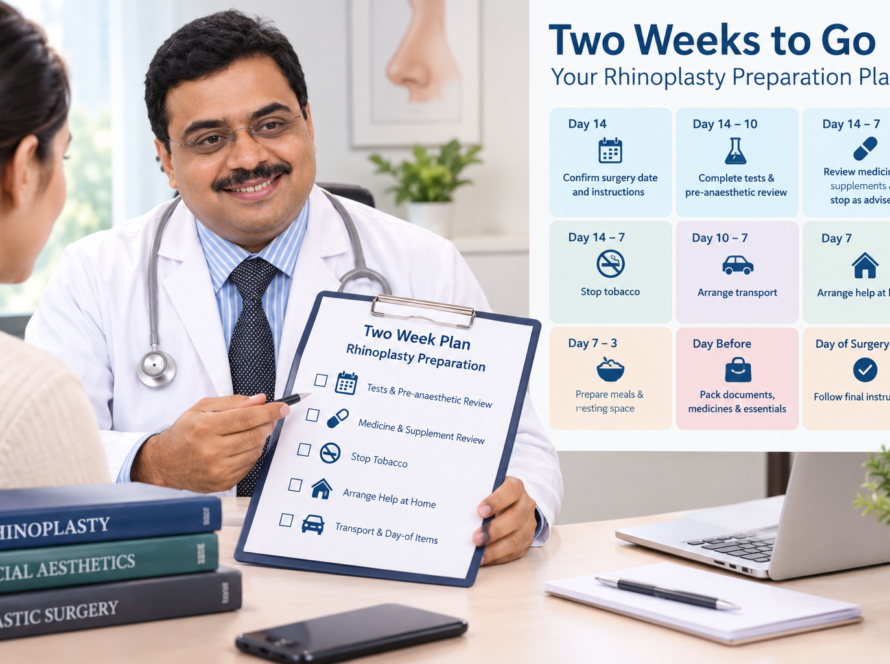
Before Surgery: Preparation Tips
Before crooked nose correction surgery, patients may be advised to:
- Discuss medical history and previous treatments
- Avoid smoking or tobacco products
- Follow medication instructions
- Complete recommended medical evaluations
- Maintain realistic expectations
After Surgery: Care Instructions
Proper aftercare supports better healing.
Patients may need to:
- Keep the head elevated while sleeping
- Avoid pressure on the nose
- Protect the nose from accidental injury
- Follow prescribed medications
- Attend follow-up appointments
- Avoid strenuous exercise until advised
Discover advanced Plastic, Cosmetic & Reconstructive Surgery treatments at Elegance Clinic, Surat. Under the expertise of Dr. Ashutosh Shah, M.Ch., DNB (Plastic Surgery), patients receive personalized care for facial aesthetics, rhinoplasty, reconstructive procedures, and cosmetic concerns with a focus on natural-looking results.
Learn more about Dr. Ashutosh Shah, a leading Plastic & Cosmetic Surgeon in Surat with 22+ years of experience in advanced cosmetic and reconstructive procedures. His expertise in rhinoplasty and facial aesthetic surgery helps patients achieve balanced and natural outcomes through personalized treatment plans.
Explore advanced treatment options available at Elegance Clinic, including rhinoplasty, facial aesthetic procedures, reconstructive surgery, hair transplantation, and other cosmetic treatments. Each procedure is planned according to individual needs for safe and effective results.
If you are considering crooked nose correction or rhinoplasty treatment, contact Elegance Clinic, Surat to schedule a consultation with Dr. Ashutosh Shah. Get expert guidance and understand the most suitable treatment options for your nasal concerns.
Frequently Asked Questions
Yes, surgical correction can provide long-lasting improvement by reshaping and repositioning nasal structures. Natural ageing changes may continue over time.
Yes, rhinoplasty is one of the most common procedures used to improve crooked nose appearance by correcting nasal bone and cartilage alignment.
Yes. A crooked nose caused by internal structural problems, such as a deviated septum, may affect airflow and breathing.
The procedure is performed under anesthesia. Patients may experience mild discomfort, swelling, or congestion during recovery, which can usually be managed with prescribed care.
The duration depends on the complexity of the correction. Many procedures take a few hours, but the exact time varies for each patient.
Initial improvements may be visible after swelling reduces, but final results gradually appear over several months as the nose continues healing.