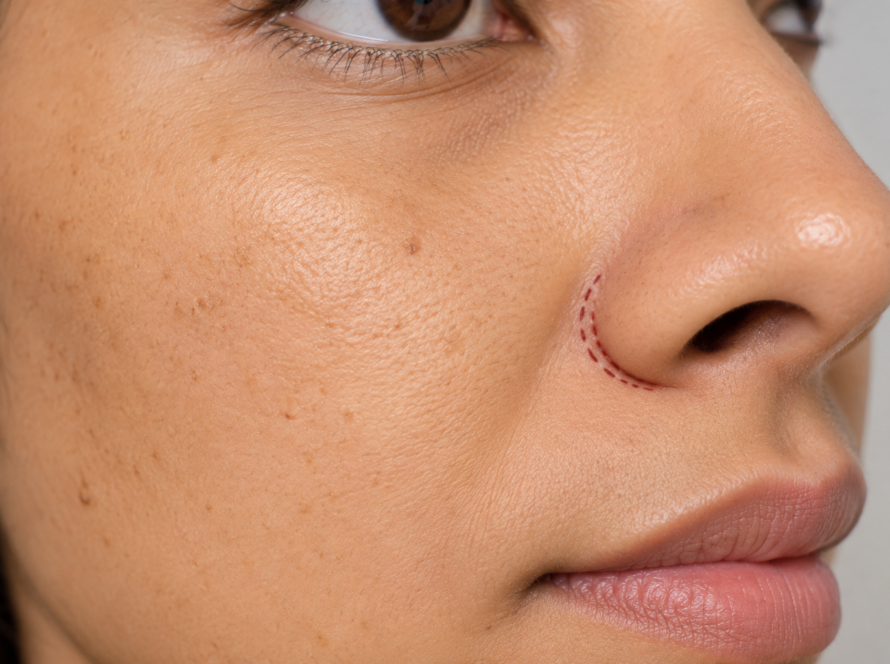
Planning septorhinoplasty involves more than choosing a procedure. Patients need to understand the surgical process, recovery period, expected costs and follow-up requirements before making a decision. For individuals considering septorhinoplasty in Rajkot, travelling for treatment requires additional planning to ensure a comfortable experience.
Septorhinoplasty combines functional and cosmetic nasal surgery when both are medically appropriate. It can address a deviated nasal septum that affects breathing while also correcting selected concerns about the external appearance of the nose.
Before you plan surgery, read about septorhinoplasty risks and side effects.
If you are considering this procedure, understanding each stage can help you prepare better. Here is what to expect, from your initial consultation to recovery and follow-up appointments.
What Is Septorhinoplasty and Who Is It For?
Septorhinoplasty is a surgical procedure that combines two approaches:
- Septoplasty: Corrects a deviated nasal septum, the internal wall separating the two nasal passages.
- Rhinoplasty: Reshapes the external structure of the nose to address selected functional or cosmetic concerns.
The procedure may be recommended when a patient experiences breathing difficulties because of structural problems and also has concerns about the external appearance of the nose.
Common concerns that may require assessment include:
- A deviated nasal septum causing persistent nasal blockage.
- A visibly crooked or asymmetrical nose.
- Structural changes following a nasal injury.
- Selected nasal valve problems affecting airflow.
- Nasal deformities involving both internal and external structures.
However, not every breathing problem requires septorhinoplasty. Allergies, inflammation and enlarged nasal tissues can also contribute to nasal obstruction.
A specialist examination helps identify the underlying cause and determine whether combined surgery is appropriate.
For a detailed explanation, read our guide to Septorhinoplasty: Fixing Breathing and Shape Together.
How Is the Septorhinoplasty Procedure Performed? Step by Step
Understanding the surgical process can make it easier to prepare for treatment. Although the exact technique depends on individual anatomy and surgical requirements, the general process involves several stages.
1. Initial Consultation and Nasal Assessment
The first step is a detailed consultation with the surgeon. During this appointment, the doctor reviews your medical history, breathing concerns, previous nasal injuries and expectations.
The examination may include:
- External nasal assessment.
- Internal examination of the nasal septum.
- Evaluation of nasal airflow.
- Photographs for surgical planning.
- Additional investigations when clinically necessary.
The surgeon then explains the recommended approach, expected improvements and possible limitations.
2. Preoperative Tests and Preparation
Before surgery, the medical team reviews your general health and determines which tests are required.
Depending on your medical history, these may include blood tests, an anaesthesia assessment or other investigations.
Inform your surgeon about all medications, supplements, allergies and existing medical conditions. You should also discuss smoking and follow the medical team’s instructions about stopping it before surgery.
Do not discontinue prescribed medication without medical advice.
3. Anaesthesia and Surgical Procedure
Septorhinoplasty is commonly performed under general anaesthesia, meaning the patient is asleep during surgery.
The surgeon corrects the deviated septum and addresses the external nasal structures according to the agreed surgical plan.
Depending on the case, this may involve repositioning cartilage, adjusting nasal bones or using cartilage grafts to provide additional structural support.
The surgical technique and duration vary according to the complexity of the procedure.
4. Dressing, Splinting and Initial Observation
After surgery, the surgeon may place an external nasal splint to protect and support the nose during initial healing.
Internal splints or nasal packing may also be used when necessary.
The medical team monitors the patient after surgery and provides instructions about medication, nasal care and discharge.
What Does Recovery Look Like After Septorhinoplasty?
Recovery is an important part of surgical planning, particularly when you need to arrange travel and time away from work.
The healing process differs between individuals, depending on the surgical technique, extent of correction and personal health.
First Few Days After Surgery
During the initial recovery period, you may experience:
- Nasal congestion or a blocked sensation.
- Mild discomfort around the nose.
- Swelling and bruising.
- Slight blood-stained nasal discharge.
- Temporary difficulty breathing through the nose.
These symptoms generally improve as healing progresses. Follow your surgeon’s instructions regarding medication and nasal care.
First One to Two Weeks
During this stage, swelling and bruising gradually begin to settle.
An external splint may be removed during a scheduled appointment, depending on the surgeon’s instructions.
Patients are generally advised to:
- Avoid blowing or touching the nose.
- Avoid strenuous physical activities.
- Keep the nose protected from accidental impact.
- Avoid smoking and smoky environments.
- Attend scheduled follow-up appointments.
Following Weeks and Months
Breathing and swelling continue to improve over time. However, the nose may take several months to settle, and the final cosmetic result can take a year or longer to become clear.
Avoid judging the outcome too early because internal and external healing happen gradually.
Heavy bleeding, significant breathing difficulty, visual changes or rapidly worsening symptoms require urgent medical assessment.
What Factors Affect the Cost of Septorhinoplasty?
The cost of septorhinoplasty is not identical for every patient. It depends on the surgical requirements, medical complexity and facilities involved.
Important cost factors include:
1. Surgical Complexity: A straightforward septal correction may require a different surgical approach from a procedure involving extensive structural reshaping.
2. Anaesthesia: The type of anaesthesia and the anaesthesia team’s requirements contribute to the overall cost.
3. Hospital and Facility Charges: Operating room facilities, hospital arrangements and postoperative observation can affect the total expense.
4. Additional Investigations: Preoperative tests and medical assessments may contribute to the overall treatment cost.
5. Follow-Up Care: Postoperative consultations, dressing changes and additional medical care should be considered when planning your budget.
Rather than relying on a general online estimate, request an individualised cost breakdown after your examination.
How Should Patients Plan Septorhinoplasty in Rajkot?
Planning septorhinoplasty in rajkot requires attention to consultation appointments, surgery scheduling and postoperative care.
If you are travelling for treatment, consider the following steps.
Step 1: Arrange an Initial Consultation
Start by discussing your breathing concerns, nasal structure and expectations with the surgeon.
Ask whether an initial online consultation is possible and whether medical photographs or previous investigation reports are required.
Step 2: Understand the Surgical Plan
Before confirming a date, understand the recommended procedure, anaesthesia, expected duration, hospital arrangements and recovery requirements.
Ask for written preoperative instructions.
Step 3: Arrange Your Travel and Accommodation
Plan your journey around the consultation and surgical schedule.
If surgery is recommended, arrange suitable accommodation and a companion who can assist you during the initial recovery period.
Do not assume that you can travel immediately after surgery. Your surgeon must confirm when travelling is safe.
Step 4: Schedule Follow-Up Visits
Follow-up appointments help the surgeon assess healing, remove splints when necessary and identify any complications.
Discuss the expected number and timing of appointments before confirming your treatment date.
Step 5: Keep Emergency Contact Details
Before travelling, obtain the clinic’s postoperative contact information and instructions about what to do if you experience unexpected symptoms.
Having a clear follow-up plan helps you manage recovery more confidently.
Quick Facts About Septorhinoplasty
Before planning septorhinoplasty, patients should understand the expected surgical duration, anaesthesia, hospital stay and recovery requirements. The following table provides an overview of the important treatment details to discuss with your surgeon.
| Treatment Detail | What Patients Should Know |
|---|---|
| Procedure Duration | The surgery duration depends on the complexity of nasal correction and the surgical technique required. |
| Anaesthesia | Septorhinoplasty is commonly performed under general anaesthesia, meaning the patient remains asleep during the procedure. |
| Hospital Stay | Hospitalisation depends on the patient’s condition, surgical complexity and postoperative observation requirements. |
| Return to Work | Returning to work depends on swelling, bruising, recovery progress and the nature of the patient’s job. |
| Follow-Up Visits | Follow-up appointments allow the surgeon to monitor healing, assess the nose and remove splints when required. |
Questions to Ask Before Deciding on Septorhinoplasty
A consultation is an opportunity to understand the procedure and make an informed decision.
Consider asking your surgeon:
- What is causing my breathing difficulty?
- Do I need septoplasty alone or combined septorhinoplasty?
- What functional and cosmetic improvements are realistic?
- Which surgical technique is suitable for my nasal structure?
- What are the possible complications?
- How long should I stay before travelling?
- When can I return to work and normal activities?
- How many follow-up visits will I require?
- What is included in the total treatment cost?
Discussing these questions beforehand helps establish realistic expectations and reduces uncertainty about the treatment process.
Frequently Asked Questions
Patients considering septorhinoplasty in rajkot can consult a qualified nasal surgeon to understand their treatment options. The right specialist should assess nasal breathing, structural concerns, medical history and expectations before recommending surgery.
The surgical duration depends on the complexity of the procedure and the corrections required. A combined procedure may take longer than a straightforward septal correction. Your surgeon can provide an estimated duration after examining your nasal structure.
The number of follow-up visits depends on the surgical technique and individual healing. An early appointment may be required for splint removal and wound assessment, followed by additional visits to monitor recovery.
An initial online consultation may be possible if the clinic offers this facility. However, an online discussion cannot replace every part of a physical nasal examination. The surgeon will determine whether an in-person assessment or additional investigations are necessary.
Initial swelling generally improves over the first few weeks. However, subtle swelling and structural healing may continue for several months. The final nasal appearance can take a year or longer to become clear.
Plan Your Septorhinoplasty Consultation
Septorhinoplasty requires careful evaluation, realistic expectations and a well-planned recovery schedule. Understanding the surgical steps, cost factors and follow-up requirements can help you make a more informed decision.
If you are considering treatment, arrange a consultation with Dr. Ashutosh Shah to discuss your breathing concerns, nasal structure and suitable surgical options.
Contact Elegance Rhinoplasty to discuss your consultation and understand the next steps in your treatment journey.