Written by: Dr. Ashutosh Shah
Dr. Ashutosh Shah is a Board-Certified Plastic, Reconstructive and Cosmetic Surgeon with more than 22 years of surgical experience. As the Founder and Director of Elegance Clinic, his approach to nose aesthetics focuses on facial harmony rather than treating the nose as an isolated feature. Before recommending a non-surgical or surgical option, he considers the patient’s nasal structure, facial proportions, aesthetic concerns and expectations.
Searching for nose filler before after results is common among people who want to understand how much difference a non-surgical nose treatment can make. Photographs can provide a general idea, but they cannot predict exactly how the treatment will look on another person’s face.
A nose filler treatment, often called a non-surgical rhinoplasty, uses dermal filler to strategically add volume to selected areas of the nose. This can sometimes create a smoother, straighter or more balanced appearance without surgical incisions.
However, there is an important point to understand: because filler adds volume, it does not work in the same way as surgical rhinoplasty. The right candidate and the achievable result depend on the existing shape and structure of the nose.
Key Takeaways
- Nose filler before and after comparisons can show changes in contour, symmetry and profile, but results vary between individuals.
- A non-surgical nose job uses dermal filler to add volume and reshape selected areas of the nose.
- Fillers may help with minor bumps, mild asymmetry, a flatter bridge or certain tip concerns.
- Nose filler cannot remove a nasal hump or physically make the nose smaller because it adds volume.
- It is not a substitute for surgical rhinoplasty when there is a major structural or breathing concern.
- A professional assessment is important before deciding whether filler is appropriate.
What Is a Nose Filler Treatment?
A nose filler treatment involves placing dermal filler into carefully selected areas of the nose to modify its visible contour.
Depending on the individual’s anatomy, filler may be used to:
- Smooth the appearance of a small nasal bump
- Improve mild asymmetry
- Add definition to certain areas
- Create a more balanced-looking nasal profile
- Improve the relationship between the nose and surrounding facial features
The procedure is designed for subtle contour improvement, not major structural reconstruction.
Understanding Nose Filler Before and After
When looking at before-and-after photographs, it is important to understand what the treatment is actually changing.
| Before Treatment | After Nose Filler |
|---|---|
| A minor bump may interrupt the nasal profile | Added filler can create a smoother-looking contour |
| Mild asymmetry may be visible | Strategic filler placement may create a more balanced appearance |
| A flatter bridge may appear less defined | Filler can add volume and definition |
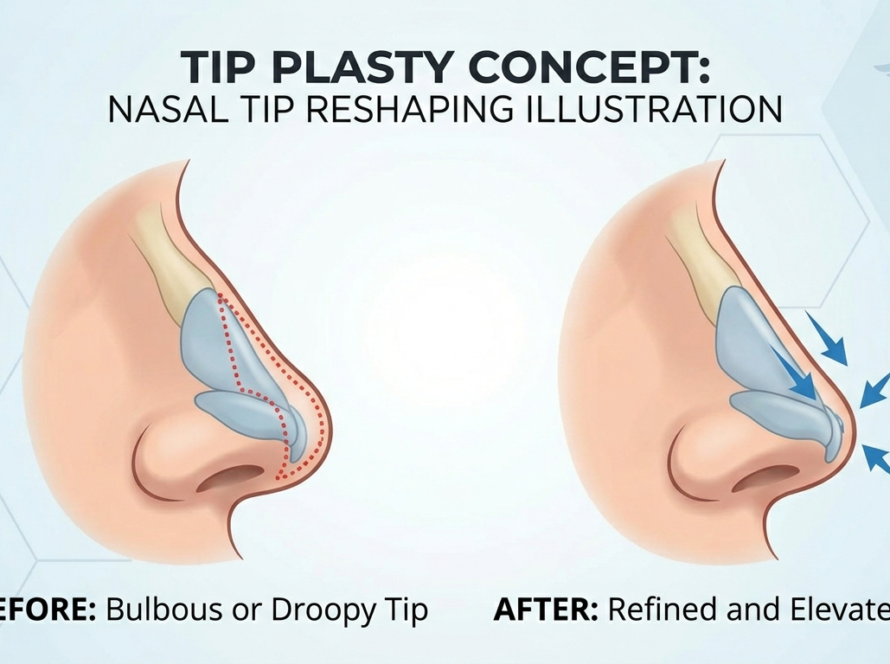
| The nasal tip may appear less defined in selected cases | Filler may enhance the appearance of tip definition |
| Facial proportions may appear slightly unbalanced | A carefully planned treatment may improve visual harmony |
These changes are not identical for everyone. The amount of improvement depends on the starting anatomy, the treatment area, filler selection and the individual’s response.
What Can Nose Fillers Improve?
Small Nasal Bumps
A small bump can sometimes be visually softened by adding filler around the contour rather than removing the bump itself. This may create a straighter-looking profile.
It is important to understand that the bump has not actually been removed. The apparent improvement comes from changing the surrounding contour.
Mild Nasal Asymmetry
Some minor asymmetries may be improved by carefully adding volume to selected areas. This can help create a more balanced appearance when viewed from certain angles.
However, significant structural asymmetry may require surgical assessment rather than filler treatment.
A Flat or Less Defined Bridge
In suitable patients, filler can add volume to the bridge and create greater definition. This is one reason some people consider a non-surgical approach when they want a subtle change without surgery.
Selected Tip Concerns
Filler may sometimes be used to create the appearance of improved tip definition. The suitability of this approach depends strongly on the existing nasal anatomy.
What Nose Fillers Cannot Do
Understanding the limitations is just as important as understanding the benefits.
Because filler adds volume, it cannot physically remove tissue or make the nose smaller. A patient with a large structural hump, major crookedness or significant nasal deformity may need a surgical approach instead.
Similarly, nose filler is not designed to correct every breathing problem. If nasal obstruction or an internal structural issue is present, a functional assessment is important before choosing an aesthetic procedure.
This is why a before-and-after photograph should not be treated as a guarantee of what another patient will achieve.
How Is the Treatment Planned?
A consultation normally begins with an assessment of the nose and the surrounding facial features.
The doctor may consider:
- Nasal bridge shape
- Tip structure
- Existing asymmetry
- Skin characteristics
- Facial proportions
- Previous nasal procedures
- The patient’s aesthetic goals
- Whether there are functional or breathing concerns
The objective is to determine whether filler can realistically address the concern. If the desired change would require removing or restructuring nasal tissue, surgical rhinoplasty may be a more appropriate discussion.
Is Nose Filler Temporary?
Yes. Dermal filler used for non-surgical nose reshaping is not a permanent structural change. The duration can vary according to the filler used, treatment area and individual factors.
The clinic’s filler nose job information describes the procedure as a temporary nose-reshaping option and notes that results can vary depending on factors such as the filler and individual response.
Patients considering the treatment should therefore understand that maintaining the result may require future assessment and treatment.
What About Recovery?
One reason people consider non-surgical rhinoplasty is the limited downtime compared with surgical rhinoplasty. Mild swelling, redness or tenderness can occur around injection sites, and the treated area may take some time to settle.
The specific aftercare instructions should come from the treating medical professional. Patients should also avoid judging the final appearance immediately if swelling is present.
Who May Be Suitable?
A person may be considered for nose filler when the concern involves a relatively minor cosmetic irregularity, such as mild asymmetry, a small contour irregularity or a flatter bridge.
It may be less suitable when someone wants:
- A significantly smaller nose
- Removal of a major hump
- Major correction of a crooked nose
- Correction of significant structural deformity
- Treatment primarily for breathing problems
In such situations, surgical rhinoplasty may need to be discussed.
Conclusion
Nose filler before and after results can demonstrate how carefully placed dermal filler may change the visible contour of the nose. For suitable patients, it can help create a smoother profile, improve mild asymmetry or add definition without surgical reshaping.
At the same time, nose filler has clear limitations. It adds volume rather than removing or restructuring the nose, so it is not the right solution for every concern. Understanding the difference between temporary contour enhancement and surgical structural correction is important before making a treatment decision.
Learn About Dr. Ashutosh Shah
Before choosing any nose treatment, understanding the surgeon’s experience and approach can help patients make a more informed decision. You can explore Dr. Ashutosh Shah’s rhinoplasty profile to learn more about his background and experience in cosmetic and reconstructive nasal procedures.
Explore Non-Surgical Rhinoplasty
Patients interested in understanding what can be achieved without surgery can review the clinic’s non-surgical rhinoplasty treatment. This provides further information about filler-based nose reshaping, its potential uses and the types of concerns it may address.
Understand the Full Range of Nose Treatments
Because not every nasal concern can be addressed with filler, it can be useful to compare different approaches. The nose reshaping and rhinoplasty services provide information about surgical and non-surgical options available for different nasal concerns.
Book a Personal Assessment
Before deciding based on someone else’s before-and-after photograph, an individual assessment can help determine whether your nasal structure is suitable for filler or another approach. Patients can book a rhinoplasty or nose consultation to discuss their concerns, treatment options and expectations with the clinic team.
About Elegance Clinic
For patients considering nose filler or other facial-aesthetic treatments, learning about the clinic’s approach can be a useful first step. Explore Elegance Clinic to learn more about its rhinoplasty and non-surgical nose treatment services and patient-focused approach.
Frequently Asked Questions
No. Filler adds volume around the bump to create a smoother-looking contour. It does not physically remove the underlying bump.
No. Dermal filler results are temporary and vary according to the product used and individual factors.
No. Because filler adds volume, it cannot physically reduce the size of the nose.
It may improve some mild asymmetries by strategically adding volume, but significant structural asymmetry may require surgical correction.
No. Suitability depends on nasal anatomy, the concern being treated, medical history and treatment expectations. A professional assessment is necessary before treatment.