Written by: Dr. Ashutosh Shah
Dr. Ashutosh Shah is a Board-Certified Plastic, Reconstructive and Cosmetic Surgeon with more than 22 years of surgical experience. As the Founder and Director of Elegance Clinic, he focuses on individualized nose reshaping and reconstructive procedures. His approach considers nasal structure, facial proportions, breathing and the patient’s aesthetic concerns before recommending a suitable treatment plan.
When looking at the face from the front, some people notice that their nose appears slightly tilted, one nostril looks different from the other, or the nasal tip seems to sit off-centre. This can make the nose appear uneven even when the difference is relatively small.
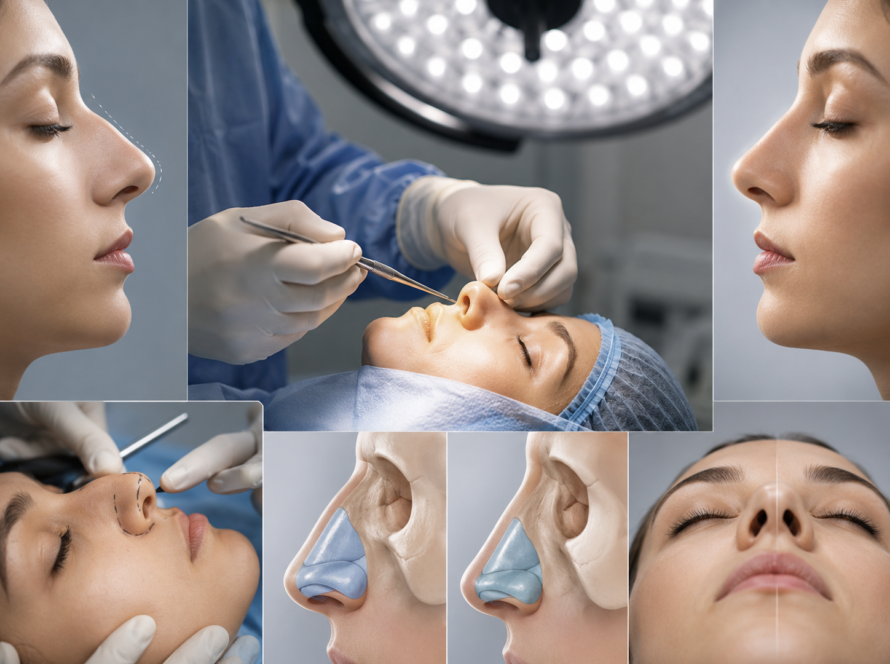
A nose symmetry fix is not necessarily one specific procedure. The appropriate solution depends on which part of the nose is creating the asymmetry and why it has developed. Natural facial structure, previous trauma, cartilage shape and earlier nasal surgery can all influence symmetry.
It is also important to remember that perfectly symmetrical facial features are uncommon. The goal of treatment is usually to create better proportion and balance while maintaining a natural-looking nose that suits the rest of the face.
Key Takeaways
- Mild differences between the two sides of the nose are common and do not always require treatment.
- Nose asymmetry can involve the bridge, tip, nostrils or overall nasal alignment.
- Previous injury, natural anatomy, cartilage differences and earlier surgery can contribute to an uneven nose.
- Rhinoplasty may help improve structural asymmetry when appropriate.
- A focused procedure such as tip refinement may be considered when the concern is limited to the nasal tip.
- The aim is generally to improve facial balance and natural appearance rather than create mathematically perfect symmetry.
What Does Nose Asymmetry Look Like?
Nasal asymmetry can appear in several different ways. Sometimes only one part of the nose is uneven, while in other cases multiple structures contribute to the overall appearance.
An Uneven Nasal Tip
The tip may appear shifted toward one side, wider on one side, or less defined than expected. Differences in the underlying cartilage can contribute to this appearance.
Different Nostril Shapes
One nostril may appear larger, narrower, higher or more rounded than the other. Nostril asymmetry can sometimes be related to the nasal base or surrounding cartilage.
A Crooked Bridge
The bridge may lean to one side, particularly when viewed from the front. This can sometimes follow an injury or reflect the natural position of the nasal bones.
Overall Facial Imbalance
Sometimes the nose itself is not the only factor. Chin position, cheek structure and other facial proportions can influence how symmetrical the nose appears.
For this reason, a surgeon generally evaluates the nose as part of the whole face rather than looking at one feature in isolation.
What Causes an Uneven Nose?
There is no single cause of nasal asymmetry. Understanding the underlying reason helps determine whether treatment is necessary and what type of correction may be appropriate.
Natural Anatomy
The two sides of the human face are rarely identical. Small differences in bone, cartilage and soft tissue are normal.
Previous Injury
A nasal fracture or other trauma can change the position of the nasal bones or cartilage. Even an injury that occurred years earlier may continue to influence the appearance of the nose.
Cartilage Differences
The cartilage supporting the nasal tip and nostrils can have different shapes or strengths on each side. These structural differences may contribute to an uneven appearance.
Previous Nasal Surgery
Asymmetry can sometimes remain after rhinoplasty or develop during the healing process. When someone is concerned about an earlier surgical result, the situation needs careful assessment before further surgery is considered.
Can Rhinoplasty Improve Nose Symmetry?
Rhinoplasty is a surgical procedure that can reshape different structures of the nose, including bone, cartilage and soft tissue. Depending on the cause of asymmetry, it may be used to improve the alignment, proportions or overall appearance of the nose.
Elegance Clinic describes rhinoplasty as an individualized procedure that can address concerns involving shape, size, symmetry and facial harmony. The treatment plan is developed according to the patient’s nasal anatomy and goals.
However, rhinoplasty does not mean making both sides of the nose mathematically identical. A natural result should complement the patient’s existing facial features rather than make the nose look artificially symmetrical.
Which Treatment May Be Suitable?
The treatment depends on the specific area causing the concern.
Tip Refinement
When asymmetry is primarily related to the nasal tip, a focused tip-refinement procedure may sometimes be considered. The aim is to improve the shape and balance of the tip while maintaining appropriate support.
Rhinoplasty
If asymmetry involves several structures, such as the bridge, tip and nasal bones, a more comprehensive rhinoplasty may be appropriate.
Septal Correction
If internal nasal structure is contributing to both visible asymmetry and breathing difficulty, correction of the septum may be considered as part of the treatment plan.
Revision Rhinoplasty
For patients who have already undergone nasal surgery, revision rhinoplasty may be considered when an aesthetic or functional concern remains. Revision cases can require more detailed planning because the original nasal structures have already been altered.
How Is Nose Symmetry Assessed?
A proper evaluation goes beyond looking at a photograph.
During a consultation, the surgeon may assess:
- The nose from the front and side
- The position and shape of the nasal tip
- Nostril size and position
- Nasal bridge alignment
- Skin thickness
- Cartilage and bone structure
- Facial proportions
- Previous injuries or procedures
- Nasal breathing
This helps determine whether the asymmetry is mainly cosmetic, structural, functional or a combination of these factors.
In some cases, what appears to be a small external irregularity may be connected to deeper nasal structures. Understanding that relationship is important before selecting a procedure.
Can a Nose Symmetry Problem Affect Breathing?
Yes, in some cases. A crooked or structurally uneven nose may be associated with internal changes that affect airflow.
Patients who notice persistent blockage, difficulty breathing through one side of the nose or breathing changes after an injury should mention these symptoms during consultation.
When both appearance and breathing are concerns, treatment planning can consider both aspects instead of focusing only on the external shape of the nose.
Is Perfect Nose Symmetry Possible?
Perfect symmetry is not a realistic expectation because natural facial asymmetry exists in almost everyone. In addition, healing after surgery can vary between the two sides.
A more appropriate goal is to improve balance, proportion and harmony while preserving the natural character of the face.
A surgeon may therefore recommend a correction that makes the nose look more balanced without trying to make every tiny difference disappear.
When Should You Consider a Nose Symmetry Fix?
Professional evaluation may be worth considering when:
- The nose appears noticeably tilted or off-centre.
- One nostril is significantly different from the other.
- The nasal tip appears uneven.
- Asymmetry developed after an injury.
- You are unhappy with the appearance after previous nasal surgery.
- Nasal asymmetry is accompanied by breathing difficulty.
- The difference affects your confidence or makes you uncomfortable in photographs.
Not every asymmetry needs surgical correction. An examination can help determine whether treatment is appropriate and which approach may provide the most suitable improvement.
Conclusion
A nose that appears uneven can result from natural anatomy, cartilage differences, previous injury, structural changes or earlier surgery. Therefore, a nose symmetry fix is not the same for every patient.
Depending on the cause, treatment may involve focused tip refinement, rhinoplasty, septal correction or revision rhinoplasty. The most appropriate option can only be determined after assessing the nasal structure and the patient’s overall facial proportions.
The goal should be a balanced and natural appearance rather than perfectly identical sides. A detailed professional evaluation can help clarify whether treatment is needed and what approach may be appropriate
Understanding Dr. Ashutosh Shah’s Approach
Patients who are considering nasal correction may first want to understand the surgeon’s experience and approach. You can learn more about Dr. Ashutosh Shah, his surgical background, and his role in providing personalized rhinoplasty care at Elegance Clinic.
Exploring Rhinoplasty Options
Nasal asymmetry can involve different parts of the nose, so treatment may vary from one patient to another. Explore the clinic’s Rhinoplasty Treatment Options to understand how nose reshaping may be planned according to individual nasal structure and facial proportions.
About Elegance Clinic
Understanding the clinic and its approach can also help when considering an elective procedure. The Elegance Clinic Home Page provides an overview of its rhinoplasty practice, treatment approach, team and clinic locations in Surat.
Planning Your Consultation
If you are concerned about an uneven or asymmetrical nose, a personal assessment can help determine the cause and whether treatment is appropriate. You can book a rhinoplasty consultation with the Elegance Clinic team to discuss your concerns and available options.
Frequently Asked Questions
Yes. Mild facial and nasal asymmetry is common and does not necessarily require treatment.
Rhinoplasty can address certain structural causes of nasal asymmetry, depending on the patient’s anatomy and treatment goals.
In selected cases, yes. If the main concern is limited to the tip, a focused tip-refinement procedure may be considered.
Yes. Previous trauma can alter the nasal bones or cartilage and may affect the nose’s appearance or function.
It may help in selected cases when structural problems are contributing to both asymmetry and airflow difficulties. An assessment is needed to determine the cause.