Written by Dr. Ashutosh Shah, M.Ch., DNB (Plastic Surgery)
Director, Elegance Clinic, Surat
Last Updated: August 2026
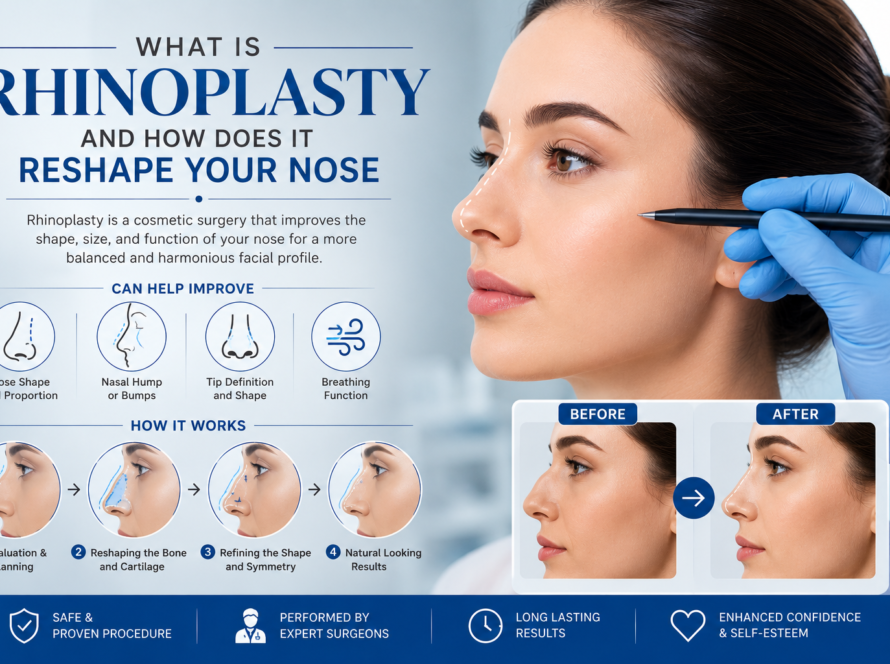
Yes, nose tip correction can improve the shape, size, projection, and symmetry of the nasal tip when the procedure is appropriately planned for the patient’s anatomy. Nose tip surgery, often performed as part of tip rhinoplasty, can address concerns such as a bulbous, wide, drooping, under-projected, over-projected, or uneven nasal tip.
The nasal tip is a small but important part of facial balance. Even a subtle change in tip definition or projection can affect how the entire nose appears. However, successful nasal tip refinement is not simply about making the tip smaller. The surgeon must consider cartilage structure, skin thickness, nasal proportions, facial balance, and breathing function.
The American Society of Plastic Surgeons notes that rhinoplasty can modify a nasal tip that is wide, round, over- or under-projecting, or uneven, while realistic expectations remain important because the final result depends on individual anatomy and healing.
At Elegance Clinic in Surat, Dr. Ashutosh Shah evaluates the nasal tip as part of the overall facial structure before recommending an appropriate correction.
Key Takeaways
- Nose tip correction can refine the shape, projection, width, and symmetry of the nasal tip.
- Tip rhinoplasty may address a bulbous, wide, drooping, or poorly defined nasal tip.
- The surgical technique depends on the patient’s cartilage, skin, nasal structure, and desired result.
- Nasal tip surgery should aim for facial balance rather than an artificially small or overly operated appearance.
- Swelling can remain around the nasal tip for an extended period during recovery.
- A detailed consultation is important to determine whether surgical tip refinement is appropriate.
What Is Nose Tip Correction?
Nose Tip Correction: Nose tip correction is a surgical technique used to reshape or refine the nasal tip to improve its proportion, definition, projection, or symmetry.
Nose tip correction is sometimes called tip rhinoplasty or nasal tip refinement. Unlike a procedure focused on the entire nose, tip surgery concentrates mainly on the lower part of the nose.
The exact changes depend on the patient’s anatomy. The surgeon may need to modify or reposition cartilage, strengthen the tip, change its projection, or refine its shape.
A nasal tip that looks broad from the front may require a different approach from a tip that droops when smiling. Similarly, an under-projected tip requires different planning from an overly projected tip.
This is why there is no single nose tip surgery technique that is appropriate for every patient.
Can Nose Tip Surgery Change the Shape of the Tip?
Yes, nose tip surgery can change the shape, width, projection, rotation, and definition of the nasal tip. The specific changes depend on the existing cartilage framework, skin thickness, facial proportions, and the patient’s aesthetic goals. The aim is generally to create a balanced tip rather than simply making it as small as possible.
The American Society of Plastic Surgeons identifies wide, round, over-projecting, under-projecting, and uneven nasal tips among the features that rhinoplasty can modify.
Common Tip Changes
Depending on the anatomy, surgery may address:
- Tip width
- Tip projection
- Tip rotation
- Tip definition
- Bulbous appearance
- Tip asymmetry
- Drooping tip
- Weak or poorly supported tip
The surgeon also needs to preserve adequate structural support. Excessive cartilage removal can affect both appearance and nasal function, so modern rhinoplasty planning often focuses on controlled reshaping and structural preservation.
What Problems Can Nose Tip Correction Treat?
Nose tip correction can address several aesthetic concerns, although the appropriate technique depends on the underlying anatomy.
Bulbous Nasal Tip
A bulbous tip may appear broad or rounded, particularly when viewed from the front or from below. Bulbous nose correction may involve reshaping the underlying cartilage and improving tip definition.
Skin thickness also matters. Thicker skin can make subtle structural changes less visible, so expectations should be discussed during consultation.
Wide Nasal Tip
A wide tip may make the lower nose appear disproportionate to the bridge or the rest of the face. Tip refinement may reduce the appearance of excessive width while maintaining appropriate structural support.
Drooping Nasal Tip
A drooping tip can become more noticeable when a person smiles or speaks. Depending on the cause, surgical planning may involve changing tip support or rotation.
Under-Projected Tip
An under-projected tip may appear flat or less defined from the side. Structural techniques can sometimes improve projection and create better facial balance.
Over-Projected Tip
A tip that extends too far forward may appear prominent compared with the bridge, lips, or chin. Surgical planning can focus on reducing or balancing projection.
Asymmetrical Tip
Small differences between the two sides of the nose are common. Where significant asymmetry exists, tip rhinoplasty may improve balance, although perfect symmetry cannot be guaranteed.
How Is Nose Tip Correction Performed?
Nose tip correction is planned according to the patient’s anatomy and the specific change required. During consultation, the surgeon evaluates the external appearance, cartilage framework, skin characteristics, facial proportions, and breathing.
Step 1: Consultation
The surgeon discusses what the patient wants to change and evaluates whether the concern is suitable for tip surgery.
Step 2: Nasal Assessment
The nasal tip, bridge, nostrils, septum, and overall facial proportions are assessed. Previous surgery and breathing concerns should also be discussed.
Step 3: Surgical Planning
The surgeon determines whether the tip requires refinement, strengthening, repositioning, projection changes, or another structural adjustment.
Step 4: Tip Reshaping
Depending on the case, cartilage may be reshaped, repositioned, sutured, or supported with grafting techniques.
Step 5: Recovery and Follow-Up
After surgery, swelling gradually decreases as the tissues heal. Follow-up appointments allow the surgeon to monitor healing and the developing nasal contour.
The American Society of Plastic Surgeons notes that rhinoplasty may use open or closed approaches, and the chosen approach can influence swelling, bruising, and healing.
Who Is a Good Candidate for Tip Rhinoplasty?
A suitable candidate is generally an adult who has a specific concern about the appearance or proportion of the nasal tip and has realistic expectations about what surgery can achieve.
Tip rhinoplasty may be considered for someone with:
- A bulbous or broad tip
- Poor tip definition
- Tip asymmetry
- Excessive projection
- Insufficient projection
- A drooping tip
- A tip that appears disproportionate to the rest of the nose
A consultation is important because the same visible concern can have different anatomical causes.
Patients should also understand that the goal is improvement rather than perfection. The American Society of Plastic Surgeons emphasises realistic expectations and notes that the achievable result depends significantly on individual anatomy and healing.
Is Nose Tip Surgery Different From Full Rhinoplasty?
Yes. Nose tip surgery focuses primarily on the lower nasal structures, while full rhinoplasty can involve the nasal tip, bridge, bones, septum, and other structures.
| Procedure | Main Focus | Common Concerns |
|---|---|---|
| Nose Tip Correction | Nasal tip | Width, projection, shape, definition |
| Tip Rhinoplasty | Tip structure | Bulbous, drooping, uneven tip |
| Full Rhinoplasty | Entire nose | Bridge, tip, width, profile, proportions |
| Revision Rhinoplasty | Previously operated nose | Persistent cosmetic or structural concerns |
A patient does not necessarily need full rhinoplasty simply because the nasal tip is the main concern. However, if the bridge, nasal bones, or other structures also affect facial balance, a broader rhinoplasty plan may be more appropriate.
What Are the Benefits and Limitations of Nose Tip Correction?
Nose tip correction can provide meaningful improvement when the treatment is matched to the patient’s anatomy. Possible benefits include better tip definition, improved symmetry, more balanced projection, and improved proportion between the tip and the rest of the nose.
Potential Benefits
- Refined nasal tip
- Better facial balance
- Improved tip definition
- Correction of selected asymmetry
- Improved tip projection or rotation
- More proportionate nasal appearance
Important Limitations
Surgery cannot guarantee perfect symmetry or create an identical nose to a reference photograph.
The final result also depends on factors such as:
- Skin thickness
- Cartilage strength
- Existing nasal anatomy
- Healing response
- Surgical technique
- Patient expectations
The American Society of Plastic Surgeons recommends discussing realistic outcomes with a qualified surgeon because individual anatomy strongly influences what can be achieved.
How Long Does Nose Tip Correction Recovery Take?
Nose tip correction recovery varies according to the extent of surgery and the surgical approach. Initial swelling generally improves over the first several weeks, but the nasal tip can remain swollen longer than other areas of the nose. Final refinement may take many months.
Early Recovery
During the first week, patients may have swelling, tenderness, congestion, and temporary changes in appearance. A splint or external dressing may be used depending on the procedure.
Following Weeks
Visible swelling gradually decreases, and many patients can return to routine activities according to their surgeon’s instructions.
Longer-Term Healing
The nasal tip can continue refining as swelling decreases and tissues mature. ASPS notes that complete nasal contour refinement can take up to a year in some rhinoplasty patients.
This means patients should avoid judging the final result too early.
What Are the Risks of Nose Tip Surgery?
Nose tip surgery has potential risks, as with other surgical procedures. These may include swelling, infection, bleeding, changes in sensation, scarring, asymmetry, breathing difficulties, unsatisfactory appearance, or the possibility of additional surgery.
The American Society of Plastic Surgeons lists risks of rhinoplasty that include anesthesia-related risks, infection, breathing difficulty, changes in sensation, poor wound healing or scarring, swelling, unsatisfactory nasal appearance, and possible revision surgery.
Individual risks depend on the procedure and the patient’s health and anatomy. A detailed consultation should cover the expected benefits, limitations, alternatives, and potential complications.
Can Nose Tip Correction Improve Facial Balance?
Yes. Because the nose occupies a central position on the face, changing the nasal tip can influence the overall appearance of facial proportions. The goal is not necessarily to create a dramatically different nose. In many patients, a controlled refinement may be enough to create better balance.
A well-planned tip should complement the bridge, nostrils, lips, chin, and other facial features.
This is also why copying another person’s nasal tip is not a reliable treatment goal. The American Society of Plastic Surgeons advises patients to focus on realistic changes that suit their own anatomy rather than expecting an identical result to an image of another person.
Can Nose Tip Correction Affect Breathing?
It can, because the nasal tip is part of the structure that contributes to the shape and support of the nose. Any surgery involving nasal structures should therefore consider function as well as appearance.
The nose plays an important role in breathing, and changes to internal or external structures can influence airflow.
If you already have nasal blockage, allergies, previous nasal surgery, or other breathing concerns, mention them during your consultation. A surgeon may need to evaluate both the aesthetic and functional aspects of the nose.
Nose Surgery and Rhinoplasty Services at Elegance Clinic
Why Choose Elegance Clinic for Nose Tip Correction in Surat?
Nose tip correction requires detailed understanding of nasal anatomy, facial proportions, cartilage support, skin characteristics, and healing. Dr. Ashutosh Shah brings more than 22 years of surgical experience to cosmetic, reconstructive, and plastic surgery care.
At Elegance Clinic, treatment planning is personalised to the patient’s anatomy and concerns rather than following a single standard technique. The clinic provides cosmetic surgery, plastic surgery, dermatology, laser treatments, hair restoration, and reconstructive procedures at its Adajan and Vesu centres in Surat.
For rhinoplasty, choosing an appropriately qualified and experienced surgeon is an important part of treatment planning. Professional guidance should include discussion of goals, anatomy, potential outcomes, and risks.
Nose tip correction can improve the shape and appearance of the nasal tip when the surgical plan is carefully matched to the patient’s anatomy. It may be used to address a bulbous, wide, drooping, under-projected, over-projected, or asymmetrical tip and create better overall facial balance.
The procedure is not simply about making the tip smaller. A successful plan considers cartilage structure, skin thickness, projection, rotation, facial proportions, and nasal function. Recovery is also gradual, with swelling around the tip potentially lasting for many months before the final contour becomes clear.
If you are considering nose tip surgery, an individual consultation can help determine whether tip rhinoplasty is appropriate for your concerns and what type of correction may be realistic.
Book a personalised consultation with Dr. Ashutosh Shah at Elegance Clinic, Surat, to discuss your nose tip concerns and treatment options.
Book a Consultation at Elegance Clinic Surat
Frequently Asked Questions
Nose tip correction is a surgical procedure used to improve the shape, width, projection, definition, or symmetry of the nasal tip.
Yes. Bulbous nose correction can reshape the underlying nasal tip structures to improve definition and proportion, although the result depends on cartilage and skin characteristics.
Tip rhinoplasty focuses mainly on the nasal tip, while full rhinoplasty can reshape multiple parts of the nose, including the bridge, bones, and tip.
Initial swelling usually improves over several weeks, but the nasal tip can remain swollen for much longer. Final refinement may take many months
It can improve selected forms of nasal tip asymmetry. However, perfect symmetry cannot be guaranteed because natural facial asymmetry and individual healing can affect the final result.