Written By:
Dr. Ashutosh Shah, M.Ch., DNB (Plastic Surgery)
Director, Elegance Clinic, Surat
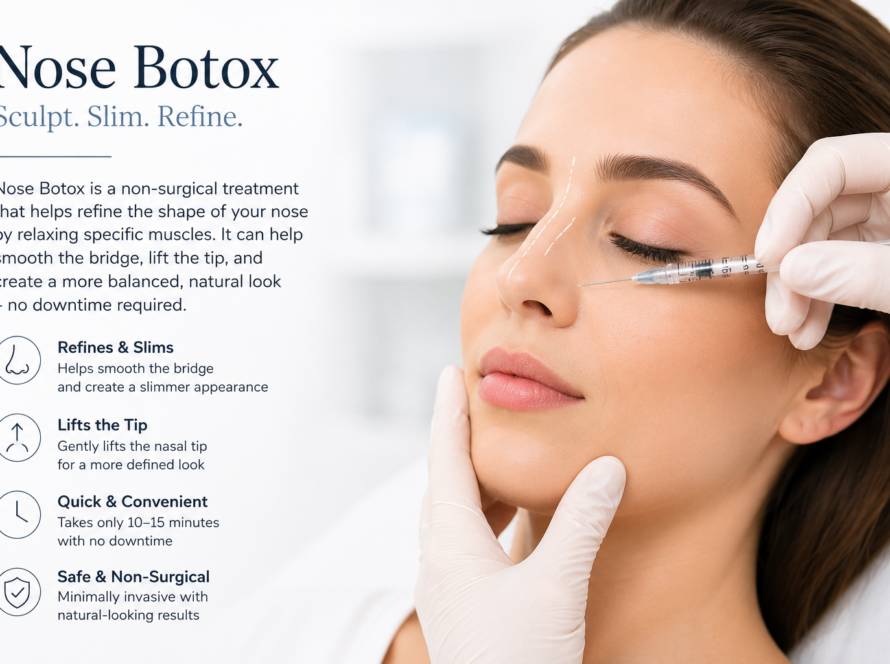
Botox does not normally damage the nose when it is used correctly by a trained medical professional. However, injections around the nose require careful knowledge of facial muscles and precise placement. Incorrect injection technique or unsuitable dosing can cause temporary weakness, uneven movement, or other unwanted effects.
Botox works by temporarily reducing nerve signals to specific muscles. It does not reshape the nasal bones or permanently change the structure of the nose.
At Elegance Clinic, Surat, Dr. Ashutosh Shah evaluates the patient’s facial movements, skin, nasal structure, and cosmetic concern before recommending any injectable treatment.
Key Takeaways
• Botox does not normally damage the nose when correctly administered.
• Botox temporarily affects muscle activity rather than changing nasal bone or cartilage.
• Incorrect injection placement can cause temporary weakness or asymmetry.
• Botox may help selected muscle related concerns such as bunny lines.
• Structural nose concerns may require a different treatment.
• A personalised consultation is important before Botox around the nose.
Why Is Botox Used Around the Nose?
Botox may be considered for certain concerns involving muscle movement around the nose. One example is bunny lines, which are small wrinkles that appear on the sides or upper part of the nose when a person smiles or wrinkles the nose.
Botulinum toxin works by temporarily relaxing the muscles responsible for these movements. This can make dynamic wrinkles appear softer.
However, Botox is not a replacement for rhinoplasty. If the concern involves the shape, size, bone, cartilage, or overall structure of the nose, a surgical or other appropriate treatment may be more suitable.
Can Botox Change the Shape of the Nose?
Botox does not remove nasal bone or cartilage. Therefore, it cannot permanently reshape the physical structure of the nose.
Instead, carefully placed Botox can reduce the activity of selected muscles. This may create a subtle change in how the nose or surrounding area moves.
For example, certain muscle movements can affect the appearance of the nasal tip or nostril area. A qualified injector must first determine whether muscle activity is actually contributing to the concern.
What Happens If Botox Is Injected Incorrectly?
Incorrect placement can affect nearby muscles that were not intended to be treated.
Possible temporary effects can include:
• Uneven facial movement
• Temporary muscle weakness
• Changes in the movement of the upper lip
• Drooping of nearby tissues
• Asymmetry
• Bruising or redness at the injection site
The American Society of Plastic Surgeons notes that botulinum toxin can sometimes migrate to nearby areas and cause temporary facial weakness or drooping.
Therefore, precise injection technique matters, particularly around the nose and upper lip where several small muscles work together.
Is Botox Around the Nose Permanent?
No. Botox produces a temporary effect.
As nerve signals gradually return to the treated muscle, normal movement comes back. The duration varies between patients and depends on the treated muscle, dose, individual response, and other factors.
This temporary nature is one reason many patients prefer Botox when they want a subtle cosmetic change without surgery.
What Are the Common Side Effects?
Most Botox treatments are well tolerated, but side effects can occur.
Common effects may include:
• Mild redness
• Bruising
• Tenderness
• Headache
• Temporary swelling
• Temporary muscle weakness
The American Society of Plastic Surgeons lists bruising, injection site pain, redness, headache, and temporary facial weakness or drooping among possible side effects.
More serious effects are uncommon, but the FDA warns that botulinum toxin effects can rarely spread beyond the injection area. Patients should seek urgent medical attention if they develop difficulty breathing, swallowing, or speaking after treatment.
Who Should Consider Botox for the Nose Area?
Botox may be appropriate for adults whose cosmetic concern is mainly related to unwanted muscle movement or dynamic wrinkles.
A consultation is important before treatment because not every nose concern is caused by muscle activity.
A patient may be better suited to another treatment if the concern involves:
• A nasal hump
• A crooked nose
• A structural nasal deformity
• Significant nasal tip changes
• Breathing problems
• Previous nasal surgery
A detailed facial assessment helps identify the most suitable option.
Botox or Rhinoplasty, Which Is Better?
The answer depends on the problem being treated.
Botox may help with selected muscle related concerns and dynamic wrinkles. It is temporary and does not alter the underlying nasal structure.
Rhinoplasty changes the structure of the nose and can address concerns involving the nasal bones, cartilage, tip, bridge, or overall proportions. Rhinoplasty is a surgical procedure with its own risks and recovery requirements.
Therefore, Botox is not necessarily better than rhinoplasty. The right treatment depends on the patient’s anatomy and goals.
What Should You Expect During Botox Treatment Around the Nose?
Botox treatment around the nose is usually a quick procedure. Before the injection, Dr. Ashutosh Shah examines the nose and surrounding facial muscles to understand how movement affects the area.
The injection points are then selected carefully. A very small amount of Botox is placed into the targeted muscles.
Patients may feel a brief pinching sensation during the injections. Mild redness or tenderness can appear afterward, but these effects usually settle quickly.
The exact amount of Botox depends on the muscle being treated, the strength of movement, and the patient’s facial anatomy. There is no single dose that is suitable for everyone.
How Long Does Botox Around the Nose Take to Work?
Botox does not produce its full effect immediately.
Some patients may notice an early change within a few days. The effect generally becomes more noticeable as the treated muscles gradually relax.
The final result should be assessed after the Botox has had enough time to take effect. If necessary, the doctor can review the result during a follow up appointment.
Because individual responses differ, patients should not compare their treatment timeline with someone else’s.
How Long Does the Result Last?
Botox results are temporary. The effect gradually decreases as muscle activity returns.
For many cosmetic treatments, the effect may last around three to four months, although the duration can vary depending on the patient and treatment area.
Repeated treatment should only be considered after the effect has reduced and after discussing the need for another session with a qualified professional.
Can Botox Make the Nose Look Smaller?
Botox cannot physically make the nasal bones or cartilage smaller.
However, when excessive muscle movement contributes to the appearance of a particular nasal concern, relaxing that muscle may create a subtle visual improvement.
This is different from surgical nose reshaping. Patients who want a smaller nose, narrower bridge, or significant tip reshaping may need a different treatment approach.
A consultation can help determine whether the concern is related to muscle movement or nasal structure.
Can Botox Lift the Nose Tip?
In selected patients, Botox may create a subtle change in nasal tip position by reducing the action of certain muscles that pull the tip downward.
The result is usually modest and temporary. It should not be presented as an alternative to surgical rhinoplasty when significant structural correction is needed.
The patient’s natural anatomy plays an important role in determining whether this treatment can provide a visible improvement.
What Should You Avoid After Botox?
After treatment, follow the specific instructions provided by your doctor.
General guidance may include:
• Avoid rubbing or firmly massaging the treated area immediately after treatment.
• Follow any activity restrictions given by your treating professional.
• Avoid applying unnecessary pressure to the injection sites.
• Contact the clinic if you develop unusual or worsening symptoms.
Most patients can return to normal activities quickly, but individual advice may vary.
Can Botox Around the Nose Cause Breathing Problems?
Botox is not intended to interfere with normal breathing when correctly administered.
However, the nose and upper facial area contain several muscles that contribute to facial movement. Incorrect placement or unwanted spread can affect nearby muscles.
Any new breathing difficulty after Botox should be taken seriously. If breathing, swallowing, or speaking becomes difficult, seek urgent medical attention rather than waiting for the symptoms to disappear.
What Is the Cost of Botox for the Nose Area in Surat?
The cost varies from patient to patient.
Factors that can affect the price include:
• Amount of Botox required
• Number of treatment areas
• Complexity of the concern
• Doctor’s assessment
• Follow up requirements
A fixed price cannot be recommended without knowing the patient’s treatment needs.
At Elegance Clinic, Surat, the cost can be discussed during consultation after assessing the area and deciding whether Botox is actually appropriate.
Is Botox Better Than Nose Filler?
Botox and nose filler work in very different ways.
Botox temporarily relaxes selected muscles. Dermal filler adds volume beneath the skin and may be used in carefully selected cases to create changes in contour.
Neither treatment is suitable for every nasal concern. In particular, filler injections around the nose require significant caution because the nose is a high risk vascular area.
Patients should not choose between Botox and filler based only on online before and after photographs. A qualified medical assessment is important.
What If You Are Not Happy With the Result?
One advantage of Botox is that its effects are temporary.
If the result is not what the patient expected, the muscles generally regain movement as the treatment wears off. However, patients should contact their doctor if they develop significant asymmetry, unusual weakness, or other concerning symptoms.
Avoid receiving additional Botox from another provider simply to correct an early result without professional assessment.
Can Botox Permanently Damage the Nose?
Botox does not normally cause permanent structural damage to the nose when appropriately administered.
The main concerns with incorrect treatment are temporary muscle weakness, unwanted movement changes, asymmetry, or nearby muscle effects.
Permanent problems are uncommon, but every medical procedure carries potential risks. Choosing a qualified and experienced medical professional can help reduce avoidable complications.
When Should You Avoid Botox Around the Nose?
Botox may not be appropriate in certain situations.
Tell your doctor if you:
• Have an active skin infection near the injection area
• Have previously experienced a serious reaction to botulinum toxin
• Have a neuromuscular condition
• Are taking medicines that may affect treatment
• Are pregnant or breastfeeding and want to discuss whether treatment should be postponed
• Have recently undergone another cosmetic procedure around the same area
A complete medical history helps the doctor make a safer treatment decision.
Why Personalised Treatment Matters
The nose is not an isolated part of the face. Its appearance is influenced by the upper lip, nasal muscles, tip, nostrils, cheeks, and overall facial proportions.
For this reason, treating only one muscle without understanding the surrounding anatomy can produce an unnatural result.
At Elegance Clinic, Dr. Ashutosh Shah evaluates the facial structure and movement before recommending treatment. The aim is a subtle improvement that maintains natural facial expression.
Practical Advice Before Choosing Botox
If you are considering Botox around the nose, ask these questions during your consultation:
• What is causing my concern?
• Is Botox suitable for my anatomy?
• What result can I realistically expect?
• How much Botox will be required?
• What are the possible side effects?
• How long should the result last?
• Would another treatment be more appropriate?
Understanding these points before treatment can help you make an informed decision.
If you are considering Botox for bunny lines, nasal muscle movement, or another facial concern, a personal assessment is the most effective way to understand your options.
For personalised Botox treatment in Surat, visit the Botox Treatment Service Page at Elegance Clinic to learn about treatment options, benefits, safety, results, and personalised care by Dr. Ashutosh Shah.
Book a consultation with Dr. Ashutosh Shah at Elegance Clinic, Surat, and discuss a treatment plan designed around your facial anatomy and cosmetic goals.
Frequently Asked Questions
When properly injected, Botox does not usually damage the nose.
It cannot change the nasal bone or cartilage, but it may affect muscle movement.
Results are temporary and often last around 3 to 4 months.
In selected cases, it may create a subtle temporary tip lift.
Most patients feel only a brief pinching sensation.
They treat different concerns. A consultation helps determine the safer and more suitable option.