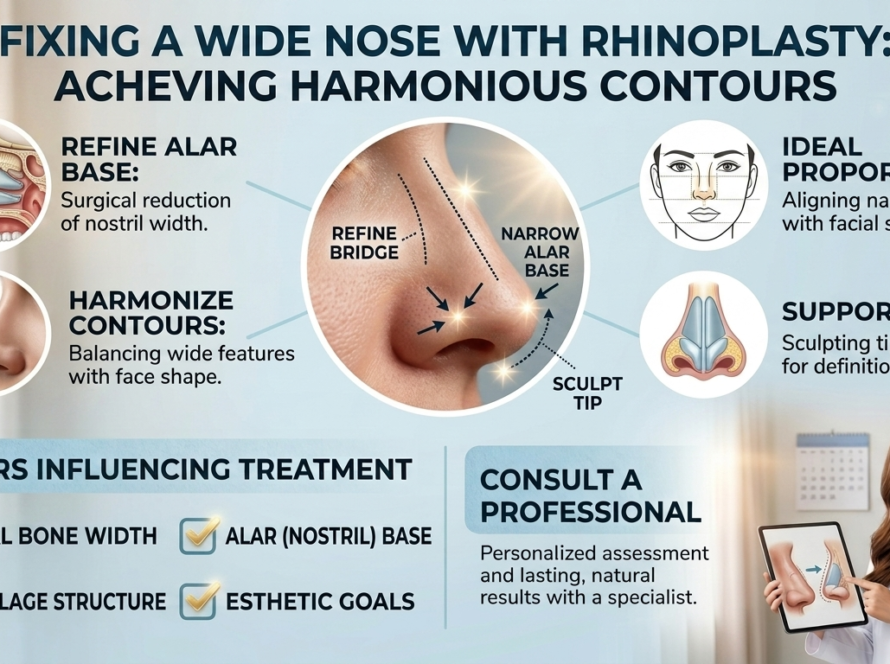
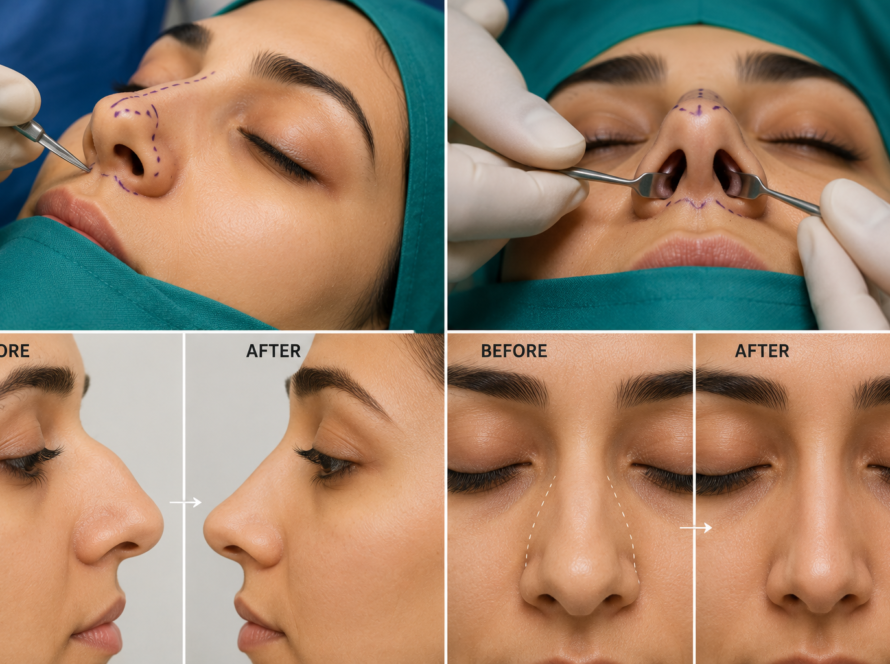
Yes, a damaged nose tip can often be repaired. Treatment depends on the cause and severity of the damage and may include non-surgical care, nose tip surgery, rhinoplasty, or reconstructive procedures to restore both appearance and nasal function.
The nose tip plays an important role in facial balance and overall appearance. Because it is made primarily of cartilage and soft tissue, it can be affected by injuries, accidents, previous surgery, infections, or congenital conditions.
A damaged nose tip may not only change the appearance of the nose but can also affect breathing and structural support in some cases.
At Elegance Clinic, Dr. Ashutosh Shah is a leading Plastic, Cosmetic & Reconstructive Surgeon in Surat with over 22 years of experience. As the Director of Elegance Clinic, he specialises in cosmetic surgery, facial aesthetics, hair transplantation, and reconstructive procedures. With advanced qualifications including M.Ch. Plastic Surgery and DNB Plastic Surgery, Dr. Shah combines surgical expertise with an artistic approach to deliver safe, personalised, and natural-looking results.
Whether the damage is caused by trauma, a previous surgery, or a congenital concern, nose tip repair focuses on restoring the shape, support, and harmony of the nose while preserving its natural appearance.
Key Takeaway
A damaged nose tip can often be successfully repaired with personalised treatment based on the cause and severity of the condition. Whether the damage is due to injury, previous surgery, or a congenital concern, procedures such as nose tip repair, nose tip rhinoplasty, or reconstructive surgery can help restore both appearance and nasal function. Consulting an experienced plastic and reconstructive surgeon, such as Dr. Ashutosh Shah at Elegance Clinic, ensures a treatment plan focused on safe, natural-looking, and long-lasting results.
What Is Nose Tip Repair?
Nose tip repair is a specialised surgical or reconstructive procedure that corrects damage or deformities affecting the tip of the nose.
The treatment may involve repairing:
- Damaged nasal cartilage
- Soft tissue injuries
- Tip asymmetry
- Drooping nose tip
- Collapsed nasal tip
- Irregularities following previous surgery
- Trauma-related deformities
The objective is to improve both nasal appearance and function while maintaining facial harmony.
What Causes Nose Tip Damage?
Several conditions can affect the structure of the nose tip.
1. Trauma or Injury
Direct impact from:
- Road accidents
- Falls
- Sports injuries
- Physical trauma
may damage the cartilage, skin, or soft tissues of the nose tip.
2. Previous Rhinoplasty
In some cases, patients seek revision surgery because of:
- Tip irregularities
- Poor healing
- Structural weakness
- Cosmetic dissatisfaction
Revision nose tip repair can help improve both appearance and support.
3. Congenital Nose Tip Deformities
Some individuals are born with:
- Asymmetrical nose tip
- Wide nasal tip
- Drooping tip
- Poor tip definition
These concerns may be corrected through nose tip rhinoplasty.
4. Infection or Tissue Damage
Severe infections or tissue injury may affect the skin and cartilage of the nose tip, requiring reconstructive treatment.
5. Age-Related Changes
As facial tissues age, the nose tip may gradually lose support and appear to droop, altering facial balance.
Signs You May Need Nose Tip Repair
You may benefit from a specialist consultation if you notice:
- A crooked or uneven nose tip
- A drooping nasal tip
- Tip deformity after an injury
- Difficulty breathing due to structural changes
- Visible cartilage irregularities
- Changes after previous nose surgery
- Loss of nasal symmetry
A detailed assessment helps determine the most suitable treatment based on your condition and goals.
Nose Tip Repair vs Rhinoplasty
Although nose tip repair and rhinoplasty are related procedures, they serve different purposes. Nose tip repair focuses specifically on correcting damage, deformities, or structural issues affecting the tip of the nose, often after an injury, previous surgery, or congenital condition. Rhinoplasty, on the other hand, may reshape the entire nose, including the bridge, tip, septum, and overall nasal structure, to improve appearance, function, or both. The most suitable treatment depends on your individual concerns, nasal anatomy, and desired results, which can be determined through a detailed consultation with a qualified plastic surgeon.
NLP Entities Covered
This article naturally includes important search entities such as:
- Nose Tip Repair
- Nose Tip Surgery
- Nose Tip Reconstruction
- Nose Tip Rhinoplasty
- Nasal Tip Repair
- Rhinoplasty
- Revision Rhinoplasty
- Nasal Cartilage
- Facial Plastic Surgery
- Cosmetic Surgery
- Plastic Surgeon
- Reconstructive Surgery
What Are the Treatment Options for Nose Tip Repair?
The most suitable nose tip repair treatment depends on the cause of the damage, the condition of the nasal cartilage, skin quality, and whether breathing has been affected.
After a detailed evaluation, your surgeon may recommend:
- Non-surgical treatment
- Nose tip rhinoplasty
- Nose tip reconstruction
- Revision rhinoplasty
- Cartilage grafting
- Combined functional and cosmetic surgery
The goal is to restore the nose tip while maintaining natural facial harmony and normal nasal function.
1. Non-Surgical Treatment for Minor Nose Tip Injuries
Minor injuries that do not significantly affect the nasal structure may be managed without surgery.
Treatment may include:
- Cold compresses to reduce swelling
- Pain management as advised
- Protecting the nose during healing
- Regular follow-up to monitor recovery
If the nose tip remains stable and breathing is unaffected, conservative treatment may be sufficient.
2. Nose Tip Rhinoplasty
Nose tip rhinoplasty is a specialised procedure that reshapes or repairs only the lower portion of the nose without altering the entire nasal structure.
It may help correct:
- Drooping nose tip
- Bulbous nose tip
- Asymmetrical tip
- Poor tip definition
- Tip deformities after injury
The procedure focuses on improving both appearance and structural support.
3. Nose Tip Reconstruction
When the nose tip has been damaged by trauma, previous surgery, or tissue loss, nose tip reconstruction may be recommended.
The procedure aims to restore:
- Cartilage support
- Nose tip shape
- Skin contour
- Nasal symmetry
- Structural stability
Advanced reconstructive techniques are used to achieve a natural-looking result.
4. Revision Rhinoplasty
Some patients seek treatment after a previous nose surgery if they experience:
- Tip irregularities
- Cartilage collapse
- Persistent asymmetry
- Cosmetic concerns
- Functional problems
Revision rhinoplasty helps improve both the appearance and function of the nose tip.
5. Cartilage Grafting
In cases where additional structural support is required, cartilage grafts may be used.
Cartilage may help:
- Strengthen the nose tip
- Improve projection
- Restore support
- Correct deformities
The type of graft depends on the patient’s individual needs and surgical plan.
How Does Nose Tip Repair Surgery Work?
The procedure is carefully planned to achieve balanced, natural-looking results.
Step 1: Consultation and Evaluation
During your consultation, the surgeon assesses:
- Nose tip shape
- Cartilage strength
- Skin thickness
- Breathing function
- Previous injuries or surgeries
- Facial proportions
A personalised treatment plan is then developed.
Step 2: Surgical Planning
The surgeon determines:
- Whether repair or reconstruction is required
- The need for cartilage grafts
- Functional corrections if breathing is affected
- The desired aesthetic outcome
Every surgical plan is customised to the patient’s anatomy.
Step 3: Nose Tip Repair Procedure
Depending on the condition, surgery may involve:
- Reshaping cartilage
- Repairing damaged structures
- Repositioning tissues
- Reinforcing the nasal tip
- Improving tip definition
The aim is to restore both function and appearance while preserving a natural look.
Recovery After Nose Tip Repair
Recovery varies depending on the extent of the procedure.
First Few Days
Patients may experience:
- Mild swelling
- Bruising
- Temporary discomfort
- Nasal tenderness
These symptoms usually improve gradually.
First Few Weeks
As healing progresses:
- Swelling begins to reduce
- The nose tip becomes more comfortable
- Daily activities can gradually resume as advised by the surgeon
Long-Term Healing
The nose continues to refine over time as tissues settle.
Final results become more noticeable as healing progresses and swelling resolves.
Benefits of Nose Tip Repair
Restores Natural Nose Shape
Repairs deformities caused by injury, previous surgery, or congenital conditions.
Improves Facial Harmony
A balanced nose tip enhances overall facial proportions.
Preserves or Improves Breathing
When structural issues are corrected, nasal airflow may also improve.
Personalised Treatment
Every procedure is planned according to the patient’s facial anatomy and treatment goals.
Natural-Looking Results
Modern techniques focus on subtle improvements that complement the patient’s natural features.
Why Surgical Expertise Matters
Repairing the nose tip requires detailed understanding of:
- Nasal cartilage anatomy
- Facial aesthetics
- Structural support
- Functional nasal anatomy
- Long-term stability
At Elegance Clinic, Dr. Ashutosh Shah combines reconstructive expertise with aesthetic planning to provide personalised nose tip repair solutions designed for safe and natural-looking outcomes.
If you’re considering treatment for a damaged or misshapen nose tip, explore our Rhinoplasty Surgery services to learn about advanced surgical options for improving nasal shape, function, and facial balance through personalised treatment planning.
Who Is a Good Candidate for Nose Tip Repair?
Nose tip repair may be suitable for individuals who have cosmetic concerns, structural damage, or breathing problems related to the tip of the nose. A detailed consultation helps determine the most appropriate treatment based on the cause and severity of the condition.
You may be a good candidate if you have:
- A damaged nose tip after an injury
- A drooping or poorly defined nose tip
- Tip asymmetry or irregular shape
- Changes following previous rhinoplasty
- Cartilage damage affecting the nose tip
- Breathing problems caused by structural changes
- Good overall health and realistic expectations
A personalised evaluation ensures the treatment plan is tailored to your facial anatomy and aesthetic goals.
Who May Need Additional Evaluation?
Some patients may require further assessment before surgery, including those with:
- Active nasal or sinus infections
- Significant tissue loss requiring staged reconstruction
- Uncontrolled medical conditions
- Severe scar tissue from previous surgery
- Ongoing nasal inflammation
Proper evaluation helps ensure safe treatment and the optimal outcome.
Nose Tip Repair Before & After Expectations
Understanding the healing process helps patients develop realistic expectations.
Before Treatment
Patients may notice:
- A crooked or uneven nose tip
- Loss of tip support
- Drooping or collapsed appearance
- Tip deformity after trauma
- Difficulty breathing in some cases
- Reduced facial balance
After Treatment
Following successful nose tip repair, patients may experience:
- Improved nose tip shape
- Better facial symmetry
- Enhanced tip support
- A more balanced facial profile
- Improved breathing when structural issues are corrected
- Natural-looking aesthetic results
The goal is to restore harmony while preserving the unique character of the face.
Benefits of Nose Tip Repair
1. Restores Nose Tip Shape
Repair helps correct deformities caused by trauma, previous surgery, or congenital conditions.
2. Improves Facial Balance
A well-proportioned nose tip contributes to overall facial harmony.
3. Enhances Nasal Support
Repairing damaged cartilage improves structural stability and long-term support.
4. May Improve Breathing
When internal structural problems are present, corrective surgery may also improve nasal airflow.
5. Personalised Results
Every nose tip repair procedure is customised based on:
- Facial proportions
- Skin thickness
- Cartilage strength
- Functional concerns
- Individual aesthetic goals
Nose Tip Repair vs Full Rhinoplasty
Nose tip repair and full rhinoplasty are different procedures designed to address different concerns. Nose tip repair focuses only on correcting deformities, injuries, or irregularities of the nasal tip, making it an ideal option for patients with isolated tip-related concerns. In contrast, full rhinoplasty reshapes multiple parts of the nose, including the bridge, septum, and tip, to improve both appearance and nasal function. After a comprehensive examination, your surgeon will recommend the most suitable procedure based on your nasal anatomy, functional needs, and aesthetic goals.
Why Choose Dr. Ashutosh Shah?
Dr. Ashutosh Shah is a leading Plastic, Cosmetic & Reconstructive Surgeon in Surat with over 22 years of experience. As the Director of Elegance Clinic, he specialises in cosmetic surgery, facial aesthetics, hair transplantation, and reconstructive procedures.
With advanced qualifications including M.Ch. Plastic Surgery and DNB Plastic Surgery, Dr. Shah combines surgical precision with an artistic approach to create natural-looking results while preserving nasal function and facial harmony.
Why Choose Elegance Clinic?
Elegance Clinic provides advanced cosmetic and reconstructive treatments in a patient-focused environment.
Comprehensive Assessment
Each patient receives a detailed evaluation of:
- Nose tip anatomy
- Cartilage support
- Skin quality
- Functional concerns
- Cosmetic goals
Personalised Treatment Planning
Every surgical plan is designed according to the patient’s individual facial structure rather than following a standard approach.
Focus on Natural Results
The aim is to restore the nose tip in a way that complements the patient’s overall facial features instead of creating an artificial appearance.
Restore the Shape and Function of Your Nose Tip
A damaged nose tip can affect both your appearance and confidence. With expert evaluation and personalised treatment planning, it is often possible to restore the nose tip while maintaining natural facial harmony.
Consult Dr. Ashutosh Shah at Elegance Clinic to learn about the most suitable nose tip repair options based on your individual needs.
Book a consultation with Dr. Ashutosh Shah to receive a personalised evaluation and treatment plan.
Frequently Asked Questions
Yes. A damaged nose tip can often be repaired using nose tip surgery, rhinoplasty, or reconstructive techniques, depending on the cause and severity.
Nose tip damage may result from injuries, accidents, previous rhinoplasty, infections, or congenital deformities.
No. Nose tip repair focuses on correcting the nasal tip, while rhinoplasty may reshape the entire nose.
Initial healing usually occurs within a few weeks, while the final results continue to improve over several months.
Yes. If structural damage affects airflow, nose tip repair combined with functional correction may improve breathing.
Surgical techniques are planned to minimise visible scarring whenever possible.